1. Mediaite
  2. Gossip Cop
  3. Geekosystem
  4. Styleite
  5. SportsGrid
  6. The Mary Sue
  7. The Jane Dough

WaPo Omsbudsman Says Paper Was Wrong In Removing Muhammad Cartoon

Screen shot 2010-10-11 at 12.13.51 PM

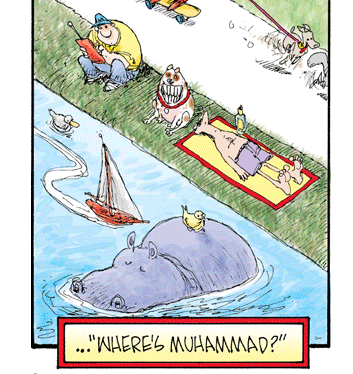
Last week, a number of newspapers, including the Washington Post, decided not to run Sunday’s Non Sequitur comic. The cartoon featured a parody of the the popular Where’s Waldo? series of children’s books with the caption “Picture book title voted least likely to ever find a publisher…” followed by a drawing of a charming park scene and the answer/punchline: “Where’s Muhammad?” Andrew Alexander, the Post’s Omsbudsman, has now written a letter stating the paper’s editors were wrong for removing the cartoon.

WaPo Managing Editor Agrees Paper Dropped The Ball On Black Panther Story

narisetti_7-19

The Washington Post should have covered the New Black Panther Party intimidation story earlier and alleged lack of staff on the National desk can’t be blamed for the oversight, WaPo managing editor Raju Narisetti said today in a chat with readers.

Coming to the defense of Ombudsman Andrew Alexander, who chastised the paper for not covering the story, Narisetti said the story should have gotten covered and that staffing shouldn’t be an excuse for missing the story.

Washington Post Ombudsman Finds Few Staffers Know Opinionating Rules

Omblog

In the wake of the Dave Weigel controversy at the Washington Post, the paper’s ombudsman Andrew Alexander admits there are numerous instances of reporters, bloggers, and “contributing editors” offering their opinions under the WaPo brand but few knew that guidelines even existed on proper conduct.

The Simple Solution to Abusive Online Comments: Twitter

Washington Post ombudsman Andrew Alexander wrote an excellent piece about abusive online comments, pointing out some surprising consequences. Interestingly, Alexander also gives an astute defense of the value of the anonymous comment, and explains a fairly complicated new comment system that the Post is working on. A lot of these problems could be solved, though, and the online conversation could be enriched, by incorporating Twitter into online commenting.

Washington Post Defends Pic Of Men Kissing

PH2010030304236

Wow, The Washington Post‘s Andrew Alexander certainly has been keeping himself busy. Just yesterday the ombudsman had to untangle the complicated web of conflicting Rahm Emanuel stories in the same paper. Today he’s getting emails and calls from irate readers that thought the accompanying picture from a story about same-sex marriage licenses were the “kind of stuff makes normal people want to throw up.

Washington Post Ombudsman: We’re Too Disorganized To Uphold A Political Bias

Earns Washington Post

After a week where Rahm Emanuel became the subject of three of the paper’s major stories—two opinion pieces with opposing views and a front-page news item suggesting anonymous Washington insiders were upset Emanuel’s advice was not being taken—the Post has been taking fire from both sides for alternately undermining the President and attacking one of his top advisers.

Washington Post Blames Increased Typos On Staff Cuts, SEO

wpost460

In Sunday’s column by Washington Post ombudsman Andrew Alexander, the increase in typos and other copy editing errors stood trial. Angry letters have started coming more frequently, wondering, “If they don’t care about basics… how much do they care about factual accuracy?” Alexander served up the standard answer: our staffs have shrunk! But he also had a bizarre new scapegoat; namely, search engine optimization. Huh?

Is WaPo’s Media Critic Criticizing WaPo’s Social Media Guidelines?

The Washington Post became the largest name in news to issue guidelines about acceptable use of social networking platforms, namely Twitter and Facebook. But when paidContent ran the rules in their entirety, it fueled a firestorm against the policies on the web. Today, the Post‘s Howard Kurtz responds, but seems hesitant and provides little convincing support for the rules.

Washington Post Issues Twitter Guidelines: Signing Their Own Death Sentence?

Yesterday, the Washington Post issued Twitter guidelines for employees of the paper. The new rules are actually pretty reasonable: When publishing in any media using your byline, remain impartial. And don’t do anything stupid. But is demanding impartiality in the social media world really in the best interests of the paper?

© 2012 Mediaite, LLC | About Us | Advertise | Self-Serve Advertising | Newsletter | Jobs | Privacy | User Agreement | Disclaimer | Power Grid FAQ | Contact | Archives | RSS RSS
Dan Abrams, Founder | Power Grid by Sound Strategies | Hosting by Datagram