CNN Data Chief Believes Buffalo Bills Coach Lost His Job Over This Crucial Late-Game Decision

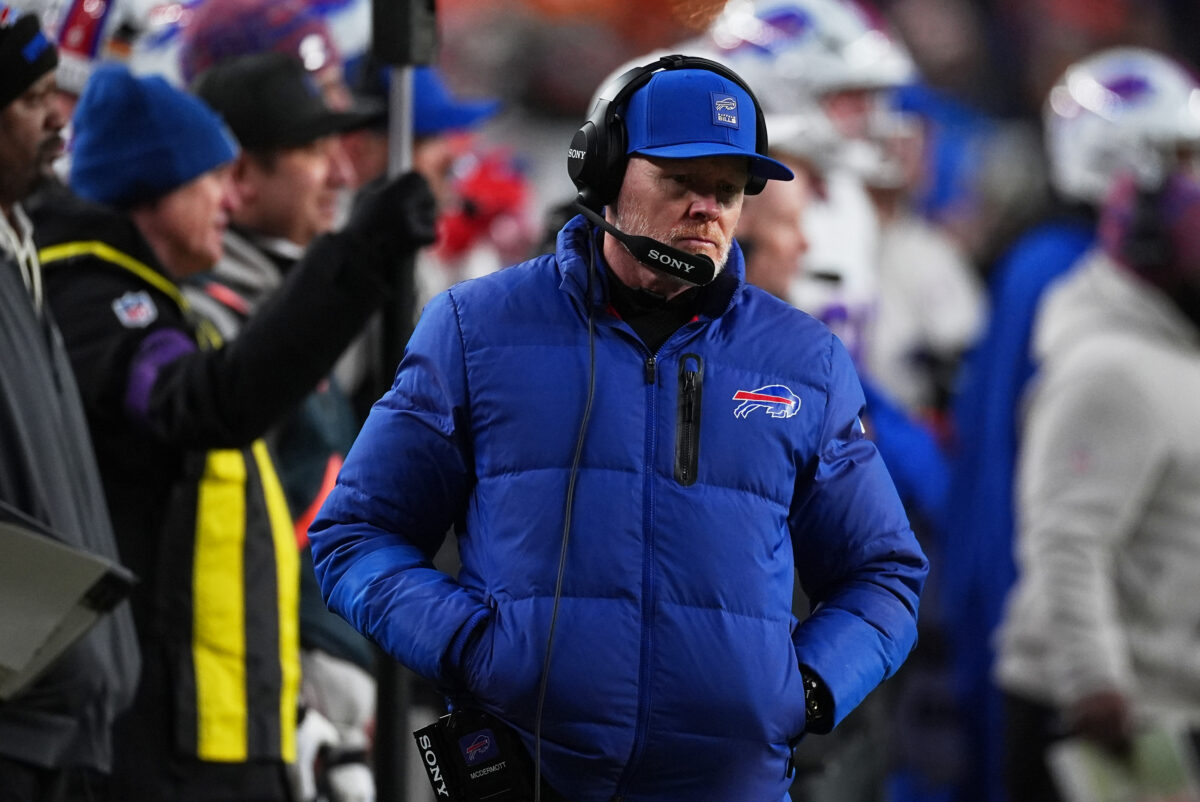
Buffalo Bills head coach Sean McDermott in the second half of an NFL divisional football game Saturday, Jan. 17, 2026, in Denver. (AP Photo/David Zalubowski)
CNN chief data analyst Harry Enten believes the firing of Buffalo Bills coach Sean McDermott came down to one crucial decision on Saturday evening.
The Bills announced Monday that McDermott had been fired following the team’s overtime loss to the Denver Broncos in the divisional round of the NFL playoffs. Largely due to the absence of Patrick Mahomes and the Kansas City Chiefs, sports media analysts repeatedly stated that the Bills had a relatively easy path to the Super Bowl. Instead, the team failed to even make it to the AFC Championship.
While many were quick to point the blame at Bills quarterback Josh Allen’s poor play — or general manager Brandon Beane’s construction of the team — Enten offered his own take on the reason the Bills lost, and why McDermott was ultimately fired. According to him, McDermott lost his job when he decided to kick first in overtime.
In overtime, both teams are guaranteed possession of the ball unless there’s a defensive score on the opening drive. Because of this, teams have elected to kick the ball first when winning the coin toss. This allows the kicking team to know exactly what they need in order to win the game on the second drive.
For example, if the Bills held the Broncos to just a field goal on the first drive of overtime, Allen and the offense would step onto the field knowing they need at least a field goal to stay alive. A touchdown, on the other hand, would win it.
In a piece published Monday, Enten detailed why he felt the logic was flawed, stating:
More than that, in an admittedly limited sample size, going on offense first is the statistically correct one. Teams that have gotten the ball first under these overtime rules have won nine times, lost seven and one game ended in a tie.
Yet, coaches seem to disagree.
Chicago Bears head coach Ben Johnson made the same choice of going on defense in Sunday’s overtime thriller against the Los Angeles Rams. The Bears lost when the Rams scored on the third possession of overtime; Chicago had just one possession to Los Angeles’ two.
If neither team manages to score on their first possession, Enten noted, it becomes sudden-death overtime again, and the next score wins the game. In that scenario, he said, teams would be better off maximizing the number of possessions they can get by going on offense first.
Enten concluded, “The bottom line is this: Teams should be taking the ball first in overtime, not second. We’ll see if coaches adjust. Otherwise, it could cost more of them their jobs.”
New: The Mediaite One-Sheet "Newsletter of Newsletters"
Your daily summary and analysis of what the many, many media newsletters are saying and reporting. Subscribe now!








Comments
↓ Scroll down for comments ↓