Seattle Times Sports Columnist Resigns Over His Content Spiked — It Says More About the Outlet Than the Journalist

A few heads were turned as the news came out that Matt Calkins, a sports columnist for the Seattle Times, announced his resignation this week. The issue was over a column he had submitted that was ultimately killed by the management. Do not picture a TikTok outburst for clicks as he quits, as it was not a petulant act and appears more to be a journalist hitting a breaking point.
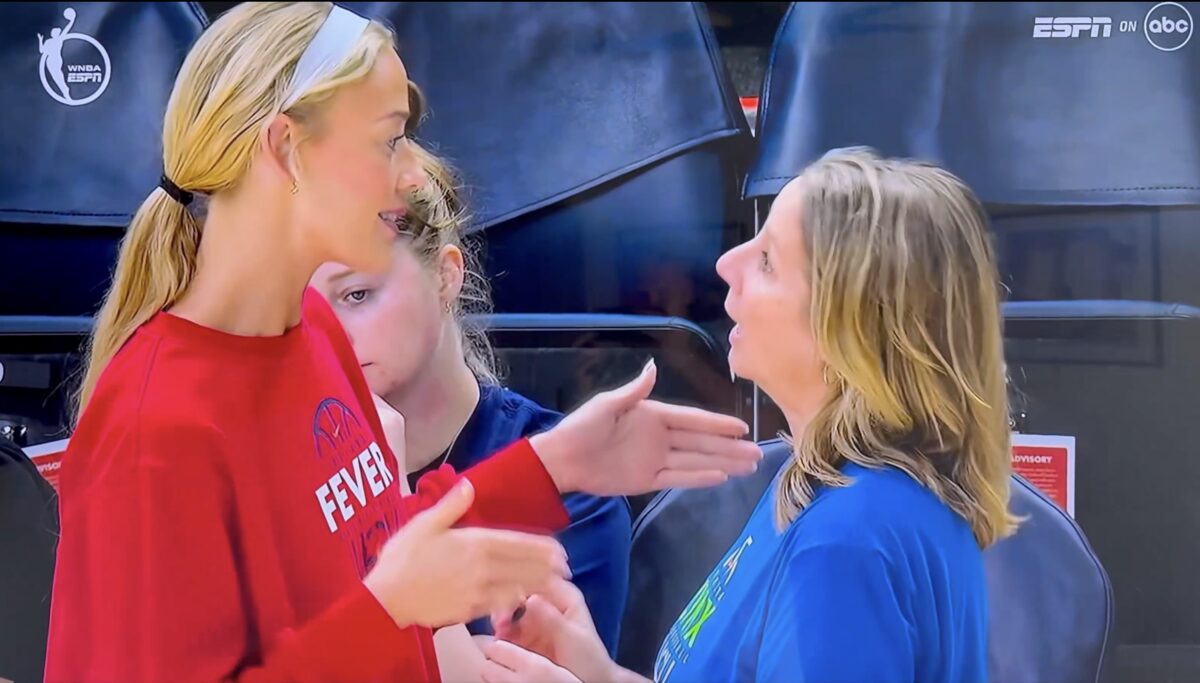
Calkins explained that he wrote about some of the reactions to the Sophie Cunningham comments over the past few weeks, which had sent tremors throughout the WNBA. As Cunningham’s team travels on their schedule, there have been rallies or gatherings sprouting up around the arenas, and Calkins was covering just such an event during a stop with the local team, the Storm.
There was a group at the Seattle arena in support of Cunningham’s position on women’s athletics. Calkins spoke with a pair of teenage girls who had experience with the incursion of biological males and their athletics, a rather stirring dose of content for the subject at hand. One of the girls had lost to a biological male at a track & field event, and another was enduring harsh backlash after she chose not to compete against a male competitor.
After 11 years as a sports columnist at the Seattle Times, I have decided to resign. It was entirely my choice, and it was not an easy one. The impetus was the Times declining to run a column I wrote from the perspective of two female student athletes who were opposed to…
— Matt Calkins (@Matt_Calkins) August 20, 2026
It sounds as if these would be relatively uncontroversial positions, but that, of course, is dependent on the level of emotional investment one has in the topic. These were student-athletes sharing empirical knowledge about what they experienced; pertinent perspectives on the subject at hand. That one of the girls later had been on the receiving end of caustic comments from the Seattle team owner during the game sparked Matt to pen his column.
Calkins wrote in a Substack post about what transpired when he submitted his work concerning the two female student-athletes. He details that after submission to an editor, he went through a process of delays, as his column was sent higher up the editorial chain of command. That is rarely a good sign.
After six days, he states that he was then informed by his editor that the column would not run, for spurious reasons. He was told it was due to not initially informing the editor of his column idea, which sounds well off the mark. If that had been the case, there would not have been the activity involving other editors, stretching for days. The editor would most likely have tossed the piece back at him on Day-1.
But it was nearly a week before he learned of the decision to shelve the column, and as a result, Calkins says he announced he would be stepping down, effective right then. This was not an emotional reaction, by appearances. He says he had been prepared to take that action after the delays stretched out, but there was more to it.
The killing of his piece was just the latest in a string of similar episodes, over topics that seem to trend in a common direction. He had one entry about the USA women’s soccer team and their pay disputes that was spiked. Another was on cancel culture in sports, and one more on a black coach lending some support for police in the wake of the George Floyd controversy.
It was apparent that the Seattle Times is resistant to positions that defy the preferred narratives, a sign of the internal bias at the paper. Calkins explained the positions held by the management at the paper.
I also realize where the brass is coming from. The mob is frightening and does not forget. Lots of seemingly brave souls have submitted once activists got their hooks in them.
Of course, the editorial team always has the ultimate say in things. But when it becomes a persistent case of a particular type of content being killed, that becomes a sign of an approved agenda at the outlet. Calkins says he was aware of a trend developing, and he seems to have hit a breaking point.
He stressed it was not an instantaneous emotional reaction, saying he had the decision in mind if something like what transpired were to arise. “It was exactly what I was prepared to do,” he explains.
It is a noble position to take as a journalist when faced with working for an outlet that is demonstrating a preferred perspective.
This is an opinion piece. The views expressed in this article are those of just the author.
New: The Mediaite One-Sheet "Newsletter of Newsletters"
Your daily summary and analysis of what the many, many media newsletters are saying and reporting. Subscribe now!








Comments
↓ Scroll down for comments ↓