BBC Journalists Rally To Defend Broadcaster’s Stance Not To Call Hamas ‘Terrorists’

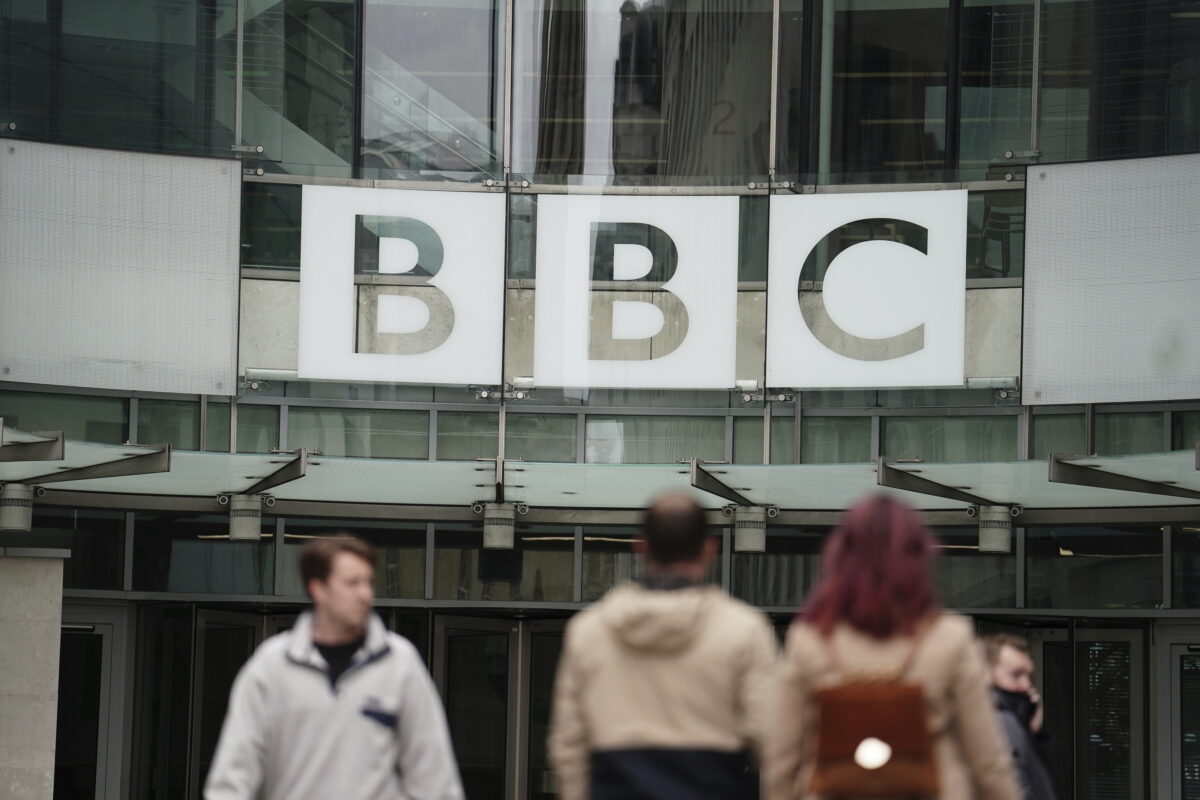
Press Association via AP Images
Two more prominent BBC journalists joined its veteran foreign correspondent John Simpson in defence of the broadcaster amid harsh criticism of its enduring editorial stance not to use the word “terrorist” — even in the case of Hamas.
The backlash and debate comes amid coverage of Hamas’ recent surprise attack on Israel, the deadliest in the nation’s history, and the subsequent campaign on Gaza by the Israeli military.
High-ranking politicians concerning its choice of words in describing Hamas. Leading the charge was Defence Secretary Grant Shapps, who aired his grievances, labelling the broadcaster’s narrative as “disgraceful.”
Voicing his dissatisfaction on LBC, Shapps said: “It’s astonishing to browse the BBC website and witness the usage of terms like gunmen and militants, with a glaring absence of the word terrorists.”
Shapps said that the BBC needed to realign its “moral compass.” “They are terrorists in the plainest terms,” Shapps said.
The controversy heated up further when Chief Rabbi Sir Ephraim Mirvis took to the social platform X, criticising the broadcaster’s terminology on air.
“Dodging the actual term is a deliberate misrepresentation,” he stated, advocating for a shift in narrative to reflect the “savage, homicidal acts of terrorism by Hamas.”
Labour leader Sir Keir Starmer echoed the sentiment, demanding that the BBC provide an explanation.
The BBC soon issued a formal statement in its own defence.
A spokesperson for the broadcaster said: “We always take our use of language very seriously. Anyone watching or listening to our coverage will hear the word ‘terrorist’ used many times – we attribute it to those who are using it, for example, the UK Government.”
“This is an approach that has been used for decades, and is in line with that of other broadcasters. The BBC is an editorially independent broadcaster whose job is to explain precisely what is happening ‘on the ground’ so our audiences can make their own judgement.”
On the back of that statement the BBC’s Simpson added his own thoughts, reiterating the commitment to balanced reporting.
Simpson stated: “British politicians know perfectly well why the BBC avoids the word ‘terrorist’… calling someone a terrorist means you’re taking sides.”
Emphasising the BBC’s duty to present facts for audiences to form their own opinions, he referenced a WWII directive to BBC journalists for frank, honest reporting.
BBC journalists Nick Robinson and David Aaronovitch, seeing further backlash to Simpson’s rationalised explanation, rallied behind him.
The heated debate underscores a tension between editorial neutrality and political expectations.
The BBC, however, asserts that it will adhere to its tried and tested editorial guidelines urging descriptive rather than assumptive terminology, in its attempt to maintain objective reporting or, at least, narrative neutrality.
The guidelines read: “We should convey to our audience the full consequences of the act by describing what happened. We should use words which specifically describe the perpetrator such as ‘bomber’, ‘attacker’, ‘gunman’, ‘kidnapper’, ‘insurgent’ and ‘militant’.”
They continue: “We should not adopt other people’s language as our own; our responsibility is to remain objective and report in ways that enable our audiences to make their own assessments about who is doing what to whom.”
New: The Mediaite One-Sheet "Newsletter of Newsletters"
Your daily summary and analysis of what the many, many media newsletters are saying and reporting. Subscribe now!





Comments
↓ Scroll down for comments ↓