Financial Times Slaps Disclaimer on Harvard Professor’s Anti-Trump Article, Admits AI Was Used

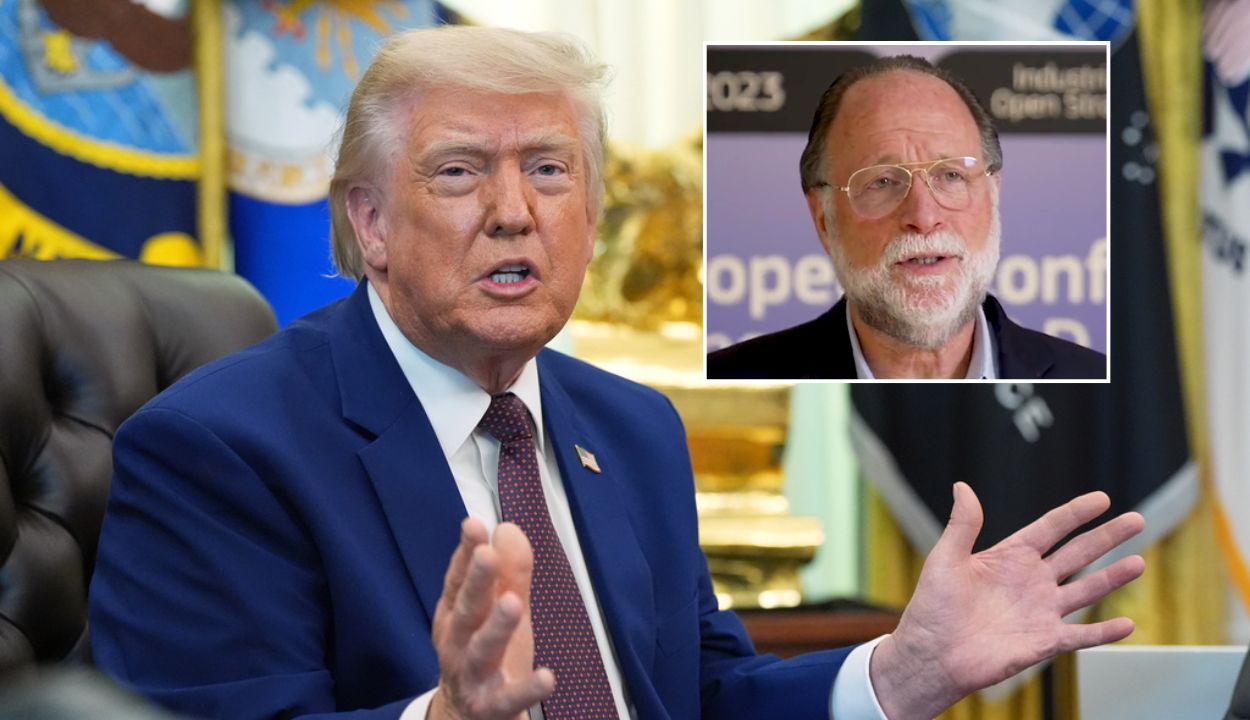
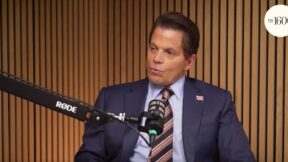
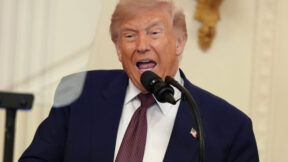
(Photos via: AP Photo/Alex Brandon and @Ricardo_Hausman on X)
The Financial Times has added a disclaimer to an article bashing President Donald Trump, which admitted the story — published by a Harvard University professor — was crafted using artificial intelligence, as some readers had already suspected.
Semafor media editor Max Tani spotted the disclaimer was added on Sunday, three days after the story was first published. The post was written by Harvard economics Professor Ricardo Hausmann and criticized Trump’s tariffs, although it was hard to follow, thanks to the article being littered with em dashes, a ton of short sentences, and phrased bizarrely.
FT copped to AI being involved and made sure to point out Hausmann was a Harvard man in its disclaimer slapped to the top of the story:
It has come to our attention that AI was used to condense a longer draft of this column prior to submission to the FT and our own editorial involvement. The FT editorial code of conduct specifically prohibits the use of AI in the writing process.
The writer is a professor at Harvard’s John F Kennedy School of Government and director of the Harvard Growth Lab
A number of readers already had a feeling AI was involved, even before FT confirmed it.
“@FT should be embarrassed for publishing pure AI written slop,” one reader said in the story’s comment section on August 14. “Very concerning.”
“This is clearly AI,” another commenter posted. “And the author should have just shared the prompt. It’s less disappointing than it used to be to see a Harvard-affiliated academic take a lazy shortcut, but I expect better of the FT.”
Yet another reader ripped the outlet for posting “shamefully bad AI slop.” And there were a whole lot of other comments along those lines.
Here is a taste of the first few paragraphs from the article, just so you get the idea:
The verdict on the first full year of the largest US tariff increase in almost a century arrived quietly, in the tables of the US Bureau of Economic Analysis. America’s current account deficit in 2025 was $1.18tn — virtually identical to the year before. The most protectionist turn in living memory did not move the number it was meant to shrink.
That much was predictable — a matter of accounting necessity rather than economic argument. A current account deficit is not a scorecard of trade cheating; it is the gap between what a country invests and what it saves, and tariffs alter neither. Since last year’s tax cuts widened the budget deficit, national saving fell, offsetting whatever the tariffs suppressed.
Hausmann did not immediately respond to Mediaite’s request for comment.
New: The Mediaite One-Sheet "Newsletter of Newsletters"
Your daily summary and analysis of what the many, many media newsletters are saying and reporting. Subscribe now!



Comments
↓ Scroll down for comments ↓