Trump’s National Guard Stunt in LA Is Pure Political Theater — and the Media Can’t Look Away

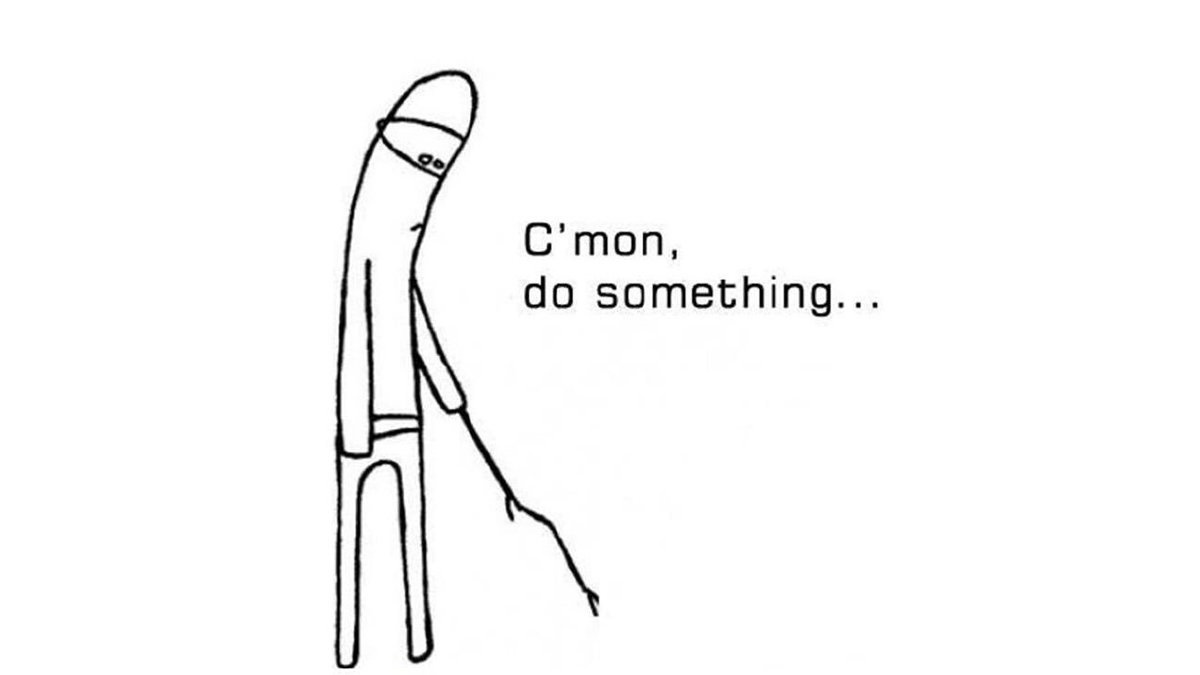
Los Angeles is once again the stage for a familiar American ritual: boots on blacktop, smoke in the air, and hordes of reporters and camera operators capturing another standoff between the state and its citizens, in hopes that something newsworthy will happen. Only this time, it’s not quite a riot—at least, not yet.
Enter stage right: President Donald Trump, basking in the post-honeymoon period of his second term, and apparently determined to revive the greatest hits of his first. The phrase “LAW & ORDER!” — always in caps, always an exclamation — has returned to his social media feed like a sequel no one asked for.
The National Guard is back on city streets, ostensibly to contain violent unrest, but no doubt contributing to its escalation. Since Trump sent in the troops, to borrow an infamous Tom Cottonism, there have been riots, with smatterings of violence and property damage. Yet for the most part, the protests have been peaceful and contained to demonstrations outside ICE facilities and City Hall.
And yet, from the drone’s eye and the prime time chyron, cable news viewers could be forgiven for thinking that Los Angeles is on the brink of collapse. Why? Because that’s the show.
California Governor Gavin Newsom, always camera-ready and in season for national ambition, plays his part with the ease of a man who knows every camera angle and Fox News talking point. He’s called for restraint while also not-so-subtly positioning himself as the adult in the room, capable of restoring order and “healing divides.” He knows the game that’s being played here and has entered the ring: This isn’t about crisis management as much as the optics of crisis management.
And here’s where things get particularly weird—in a Heideggerian sense. The German philosopher posited that to observe a thing is to change it. The moment you place a camera on an otherwise static object — a tree, a vase, a person holding a cardboard sign — you transform it. You provoke it. You imbue it with the possibility of performance.
In this case, the object is a crowd of protestors doing very little: sitting, chanting, sometimes dancing. But once the press sets up a live shot and producers whisper into the earpiece, “We’re rolling,” suddenly everything sharpens. A water bottle becomes a projectile. A line of armored guards evokes a battlefield. The act of looking begets the very thing we’re looking at.
The media isn’t causing the crisis, but it is framing it and serving as a catalyst for escalation. And in 2025, framing is reality. Twitter clips loop endlessly, TikToks go viral before a single tear gas canister is deployed, and the story — “Unrest in L.A.” — takes on a life of its own. Never mind that so many of the videos rocketing across social media are years old. It’s good for cable news ratings. It’s good for politicians. It’s lousy for nuance.
And it’s not without serious stakes. Trump’s move to send the National Guard into Los Angeles may play as mere political chest-thumping to some, but others see a trial balloon for something more dangerous. Each deployment chips away at the barrier between civilian rule and militarized control. And when protestors wave Mexican flags — perhaps to show pride, perhaps as defiance — it plays directly into Trump’s most dystopian rhetoric alleging an immigrant invasion. It becomes proof of concept for the authoritarian message he’s been delivering for a decade: that America is under siege and only a strongman can protect it.
We are in a death spiral in this conflict because every participant — Trump, Newsom, the protestors, and the press — all have what their supporters believe to be principled positions and something material to gain from not backing down from those positions. The net effect, however, is a negative one. No grown-ups are looking to resolve this reasonably.
It’s a trap with no clean exits: the protest becomes the justification for the crackdown, the crackdown provokes the protest, and round we go.
Take a gander at the extremes, and it’s easy to see how ugly this can get. Here’s “Oilfield Rando,” a prominent MAGA account followed by an alarming number of Trump allies, including Elon Musk.
This is where the media’s role gets slippery. Covering live events like protests and riots might feel like journalism — it has urgency, movement, and built-in suspense — but it often lacks what journalism is supposed to provide: clarity. Pointing a camera at a street corner and narrating what anyone with eyes can already see is not reporting. It’s ambient documentation. It’s content. And in an environment starved for meaning, it can be mistaken for truth.
Without context, explanation, or inquiry, live coverage can inflate heat and obscure light. We learn little, except that something is happening. But we already knew that. What we don’t always get is the why, or the who profits, or what it means that this is the third time in five years the National Guard has rolled through Los Angeles, not for a natural disaster but for a political performance.
So yes, this is entertainment. But it’s also a warning. And if you’re waiting for someone in the media to say “cut” — don’t hold your breath. Because the next scene is already setting up, and no one wants to miss their shot.
This is an opinion piece. The views expressed in this article are those of just the author.
New: The Mediaite One-Sheet "Newsletter of Newsletters"
Your daily summary and analysis of what the many, many media newsletters are saying and reporting. Subscribe now!




Comments
↓ Scroll down for comments ↓