
Trump DOJ Plagued by ‘Unprecedented Errors’ — More Than 1 Out of 5 of Its D.C. Criminal Cases Are Getting Tossed

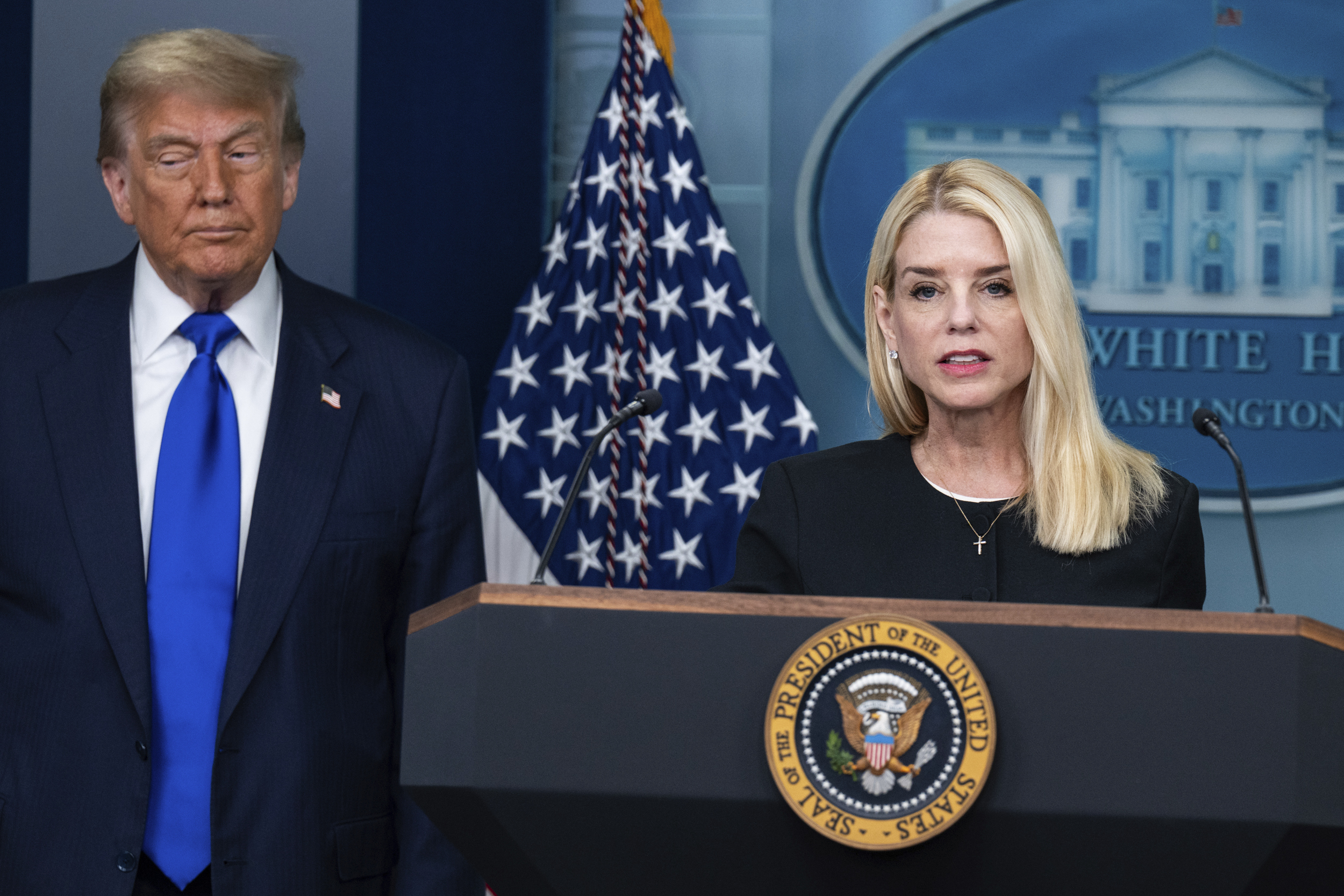
Photo by Annabelle Gordon/Sipa USA/Sipa via AP Images
They say a prosecutor can indict a ham sandwich, but the criminal cases brought by the prosecutors at President Donald Trump’s Department of Justice are ending up toast with embarrassing frequency.
The axiom about a prosecutor’s apparent ease in convincing a grand jury to indict that proverbial sandwich highlights the slanted nature of the proceedings, with only a government prosecutor in the room and the defendants and defense counsel unable to participate in the process or submit evidence or witnesses for their side. And even after defendants are read the charges against them and are able to legally defend themselves, the government still often has the upper hand, with an essentially unlimited budget and scores of experienced prosecutors.
But the last few months of Trump’s DOJ have drastically leveled the playing field. Many legal commentators have chalked this up in large part to the numerous top DOJ officials and career prosecutors who were fired, encouraged to resign, retired, or quit.
From January to November, the DOJ has seen a “mass exodus” of “more than 2,900 attorneys — triple the number of those who left in each of the previous four years,” according to a report by Sarah N. Lynch at Reuters, a significant “loss of institutional knowledge” that is viewed as leading to “unprecedented errors.”
Another contributing factor to the DOJ’s woes is clearly the types of cases the DOJ is choosing to take and the charges they’re filing.
Among the high-profile federal prosecutions that have flopped are the attempts to prosecute former FBI Director James Comey and New York Attorney General Letitia James, both of whom got their cases dismissed and are widely viewed as being in a strong position to fend off new efforts to indict them.
Regarding James, a second grand jury just refused to re-indict her for the second time in a week. In Comey’s case, the statute of limitations has already expired, among other significant factual and legal weaknesses in the DOJ’s allegations.
And then there’s Sean Dunn, the infamous D.C. “sandwich thrower” who reached viral meme status after he flung a sub at a Border Patrol agent. Federal prosecutors tried and failed to get a felony indictment against Dunn and then resorted to a misdemeanor assault charge. Last month, a jury found Dunn not guilty; despite the agent’s claim that the sandwich had “exploded all over my chest,” footage showed it on the ground, still in its wrapper, and the defense emphasized the ridiculousness of an agent in body armor claiming harm from a hastily flung sandwich.
Dunn’s case was far from the only faceplant by DOJ prosecutors in the nation’s capital. Lynch’s report for Reuters cited a recent case in which federal prosecutors were “forced to dismiss” firearms charges against a defendant because the guns were found during an unlawful search that lacked probable cause, as revealed by video surveillance.
In a later legal opinion, federal magistrate judge Zia Faruqui lambasted the DOJ for the way such errors were becoming an unfortunate “broader pattern of unprecedented prosecutorial missteps,” wrote Lynch, “resulting in a 21% dismissal rate of the D.C. U.S. Attorney’s office’s criminal complaints over eight weeks, compared to a mere 0.5% dismissal rate over the prior 10 years.”
A 21% dismissal rate. Twenty-one percent. That means that more than one out of every five criminal cases brought by the U.S. Attorney’s Office in D.C. are getting dismissed by the courts, a truly stunning turnaround for an office long known for experienced prosecutors able to handle the most complicated of cases.
The DOJ’s stumbles aren’t just resulting in cases being dismissed; it’s rewriting the whole relationship between the prosecutors and the federal judges, with the “presumption of regularity” — the legal doctrine where the courts operate under the assumption that prosecutors and other government officials are acting in good faith and their legal filings and representations to the court can be trusted — getting flipped on its head.
For years, “it was relatively rare for a federal court to question the Justice Department’s competency or good faith,” wrote Lynch. “But such questions are becoming more common, thanks to a growing pattern of legal missteps that have dogged the department since January, according to a Reuters review and legal experts.”
As a result, it’s becoming increasingly common for DOJ prosecutors to see their credibility and ethics openly challenged in judicial opinions, subpoenas quashed, charges dismissed, and even sometimes threatened with criminal contempt. And that’s if the case even makes it that far, with a growing number of grand juries refusing to issue indictments in the first place.
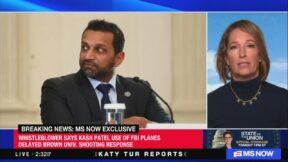
The habitual use of social media and efforts to sway the court of public opinion by officials all the way to the top, including Attorney General Pam Bondi and FBI Director Kash Patel, isn’t helping. Declarations in tweets may get the MAGA faithful riled up, but are irritating judges and being cited as evidence of bias and malicious prosecution by defense attorneys, like in Kilmar Abrego Garcia’s case.
New: The Mediaite One-Sheet "Newsletter of Newsletters"
Your daily summary and analysis of what the many, many media newsletters are saying and reporting. Subscribe now!




Comments
↓ Scroll down for comments ↓