Biden Hits Record Low Approval Rating In Brutal New Poll

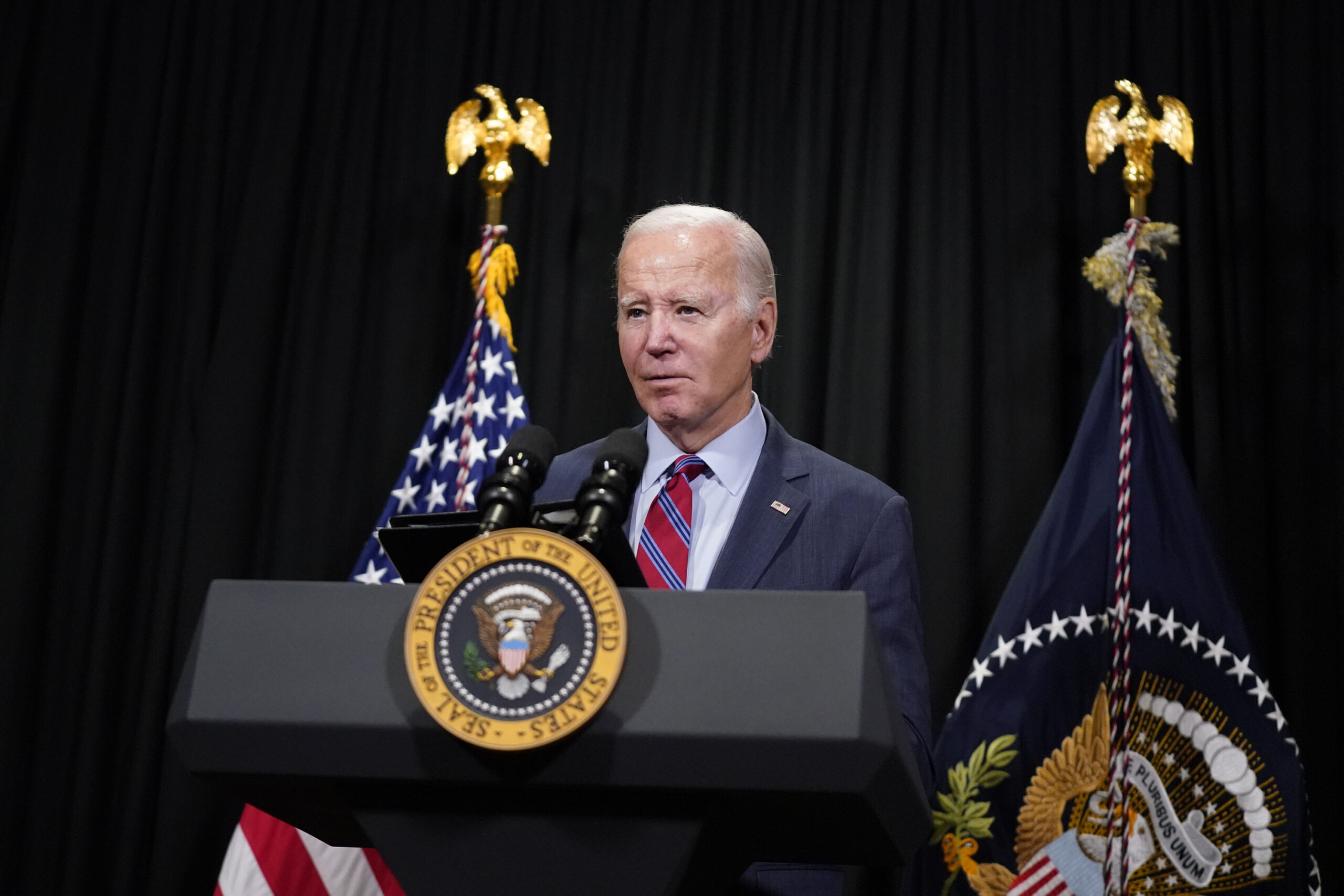
AP Photo/Stephanie Scarbrough
President Joe Biden on Monday hit a record low job approval in the Monmouth University poll, sinking to a dismal 34 percent.
The poll found that 61 percent of those polled disapproved of the job Biden is doing as president, with the 2024 presidential election now less than a year away.
In June of 2022, Biden had hit a low 36 percent in the poll, which found his highest approval rating at 54 percent in January and April of 2021, just after taking office.
“Since September, his approval number has dropped 4 points and his disapproval number has increased by 6 points. Between October 2022 and July 2023, Biden’s approval rating ranged between 40% and 44% while his disapproval number registered between 48% and 53%. Presidential approval has dropped among both Democrats (74%, down from 80% in September and 88% in July) and independents (24%, down from 30% in September and 38% in July); and it currently stands at just 5% among Republicans,” noted the poll’s summary of Biden’s lackluster numbers.
Biden’s 24 percent approval rating among Independents is a major red flag for his reelection campaign, which will need to win over those voters by a large margin to win in states like Arizona, Georgia, and Pennsylvania.
On specific issues, Biden has large majorities of the public disapproving of his leadership: 68 percent disapprove of his handling of inflation, 69 percent on immigration, and 54 percent on climate change.
“The Biden administration keeps touting their infrastructure investments and a host of positive economic indicators. Those data points may be factual, but most Americans are still smarting from higher prices caused by post-pandemic inflation. This seems to be what’s driving public opinion. There is political danger in pushing a message that basically tells people their take on their own situation is wrong,” said the director of the independent Monmouth University Polling Institute Patrick Murray on the poll’s findings.
The poll was conducted between Nov. 30th and Dec. 4th among 803 U.S. adults and has a margin of error of 4.8 percent.
New: The Mediaite One-Sheet "Newsletter of Newsletters"
Your daily summary and analysis of what the many, many media newsletters are saying and reporting. Subscribe now!









Comments
↓ Scroll down for comments ↓