
Trump Admits Defeat on Tariffs as Grocery Prices Force New Executive Order

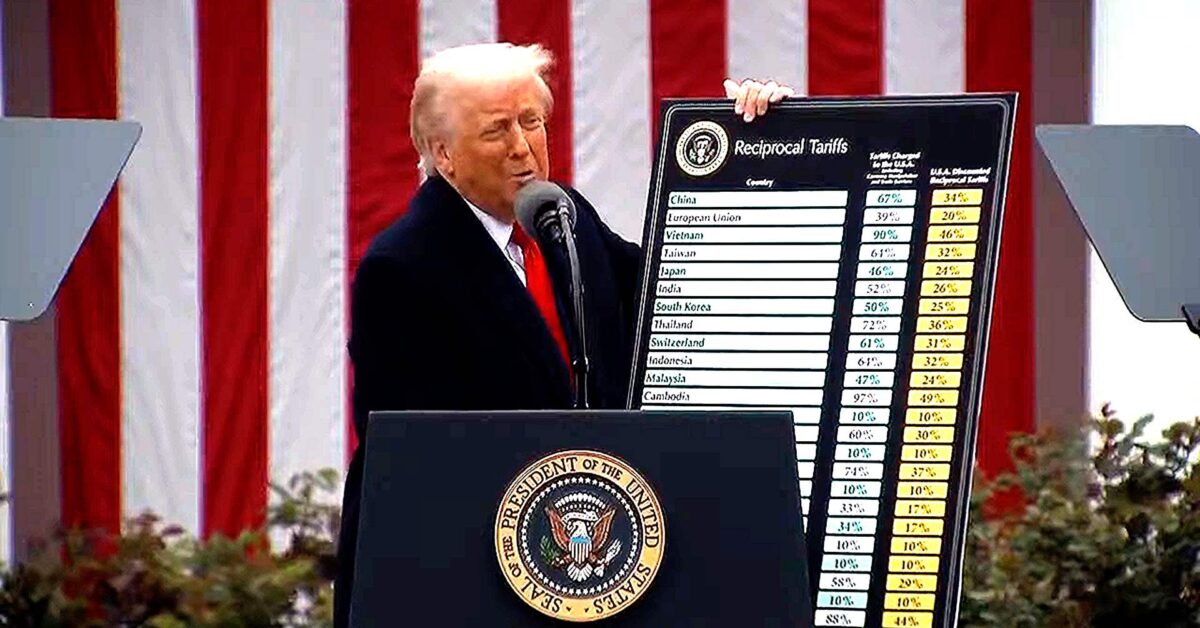
The Trump White House rarely admits defeat. It prefers the posture of inevitability: broad shoulders, big hands, and economic proclamations delivered with the rhythmic confidence of a real estate listing. Thursday morning, that posture cracked.
Buried in a late Friday news dump, President Donald Trump issued a sweeping executive order exempting more than 100 food items from the reciprocal tariffs he once insisted were essential to safeguarding America’s economic security. The order itself makes clear why: domestic demand, production capacity, and trade negotiations all made these exemptions “necessary and appropriate.” In other words, the policy had become politically and economically untenable.
The move follows New York Times reporting that internal polling showed voters souring on tariffs as grocery prices climbed—a warning the White House clearly took seriously. Treasury Secretary Scott Bessent went on Fox Business last week to preview a rollback of food tariffs—a clear sign the White House recognized the political stakes.
The administration calls this “targeted modifications.” It is anything but. This is a visible, sweeping retreat on a signature policy that affects products Americans buy and consume every week. Grocery prices are a weekly referendum on economic competence—and Trump knows it.
Coffee, beef, citrus: these weekly essentials are immediate, personal, and politically combustible. Rural lawmakers and agricultural groups, Trump’s traditional backbone, are unnerved. Swing-state voters are feeling the pinch. Governors in key states, already pressured by local farm bureaus, now have new ammunition to push back.
Meanwhile, longtime allies have quietly restructured trade flows around the United States. Europe has deepened commercial ties with Asia, and Latin America is expanding agricultural and mineral links with China. Where Trump sought leverage, he instead accelerated a reorientation of global trade networks, leaving the U.S. increasingly peripheral.
Some may argue this won’t matter: Trump’s base may shrug at “geopolitical realignment” or supply chain shifts. That argument misses the point. This retreat is different because it directly affects swing-state households and rural districts—the very coalition Trump depends on for 2026. The White House may frame this as flexibility or negotiation savvy, but the pattern is unmistakable: whiplash, not strategy.
Trump’s signature economic narrative — that tariffs are a tool of national strength — is unraveling. What was sold as toughness has revealed vulnerability. The world adapted faster than the president, and the U.S. finds itself increasingly outmaneuvered abroad while scrambling to patch domestic consequences at home.
As the executive order takes effect, the broader lesson is clear: Trump’s tariff policy has become a political and economic liability, and a strategic gift to countries willing to work around the United States. Grocery prices are the most visible symptom, but the deeper consequence is global: partners are reorganizing supply chains, strengthening alternative alliances, and reducing U.S. influence.
Trump promised tariffs would restore American strength. Instead, they revealed fragility. The collapse is not approaching—it has arrived.
New: The Mediaite One-Sheet "Newsletter of Newsletters"
Your daily summary and analysis of what the many, many media newsletters are saying and reporting. Subscribe now!







Comments
↓ Scroll down for comments ↓