
FBI Affidavit Reveals Legal Basis for Fulton County Election Raid

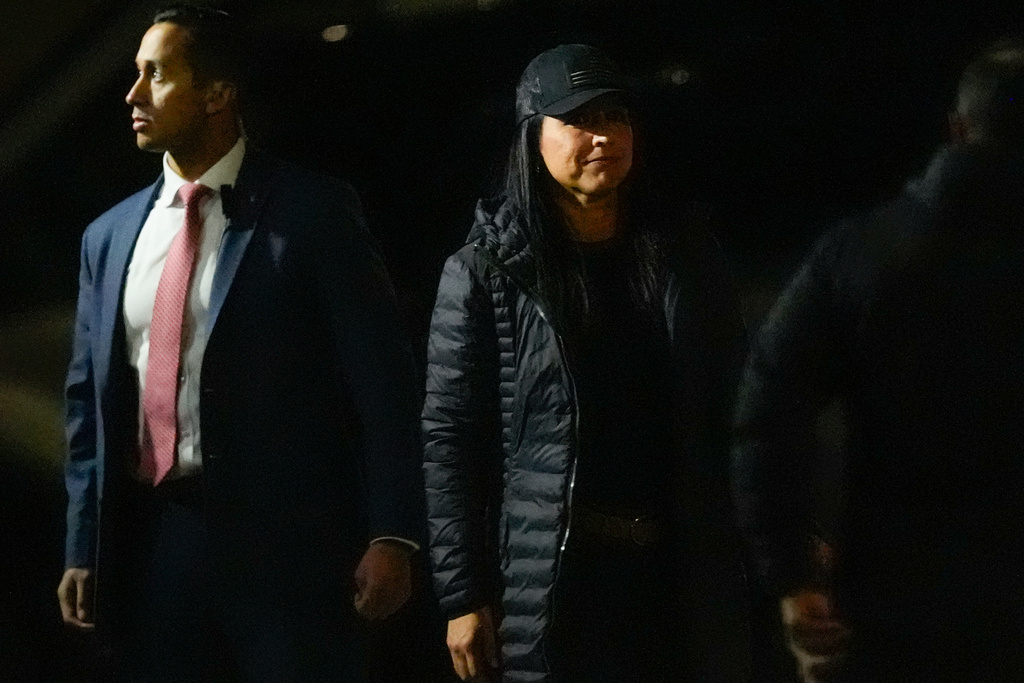
(AP Photo/Mike Stewart)
A newly unsealed FBI affidavit has clarified the government’s stated legal basis for last month’s raid of the Fulton County Elections Hub in Georgia, detailing alleged violations of federal election laws tied to the handling of 2020 election records. The document, however, has done little to settle mounting questions about the investigation’s legal viability or the unusual involvement of senior Trump administration officials, including Director of National Intelligence Tulsi Gabbard.
The 22-page affidavit, sworn by FBI Special Agent Hugh Raymond Evans, was submitted in support of a search warrant executed at the county’s election warehouse in Fairburn. It cites potential violations of two federal statutes: 52 U.S.C. § 20701, which requires preservation of election records for 22 months following a federal election, and 52 U.S.C. § 20511, which criminalizes the knowing deprivation of a fair election through false or fraudulent ballot tabulation.
According to the affidavit, investigators identified multiple deficiencies tied to Fulton County’s handling of the 2020 presidential election. These include missing ballot images, duplicated ballot scans, irregularities in tabulator tapes, and chain-of-custody lapses involving ballots and election materials. The FBI argues that the physical ballots, ballot images, and related records themselves may constitute evidence of federal crimes, regardless of whether any irregularities altered the election outcome.
The affidavit does not name suspects or allege a coordinated conspiracy. It acknowledges that prior state reviews, including investigations by Georgia election officials and bipartisan oversight boards, found no evidence that fraud affected the 2020 results. Federal investigators nonetheless contend that gaps in record retention and unresolved discrepancies warranted a criminal inquiry and judicially approved seizure of election materials.
Legal experts and county officials have raised a more fundamental challenge to the federal case: timing. Election law specialists, including David Becker, a former Justice Department official and executive director of the Center for Election Innovation and Research, have noted that the 22-month federal retention requirement under § 20701 expired in 2022 and that the five-year criminal statute of limitations applicable to § 20511 has also lapsed. Fulton County has made that argument explicitly in court filings, contending that any potential federal criminal exposure is time-barred and that “there is no basis for prosecutions under these statutes for claims related to 2020 election records.”
The county has also argued that the records at issue would have been legally destroyable years ago but for a separate order from Fulton County Superior Court Judge Robert McBurney, who sealed the 2020 election materials in unrelated civil litigation. County officials contend that the FBI’s seizure may have conflicted with that state court order.
Fulton County officials have sharply criticized the raid, calling it disruptive and politically charged. The Justice Department and FBI have countered that the operation was conducted pursuant to a valid warrant issued by a federal judge based on sworn evidence.
Fulton County has also raised chain-of-custody concerns following the raid, noting in court filings that seized materials were transported to the FBI’s Central Records Complex in Virginia. County officials say they have not received a complete inventory of what was taken or assurances about whether election records were copied or accessed, arguing that unauthorized duplication could expose sensitive voter information and compromise ballot secrecy.
The raid has drawn additional scrutiny because of President Donald Trump’s public statements about the investigation. Trump said the search would reveal the “true winner” of Georgia’s 2020 election and has repeatedly called for federal “nationalization” of elections. The New York Times reported that Gabbard facilitated a phone call between Trump and FBI agents on the ground during the raid.
As Director of National Intelligence, Gabbard oversees the U.S. intelligence community, a role traditionally focused on foreign threats rather than domestic law-enforcement actions. Neither the affidavit nor court filings explain what authority, if any, Gabbard exercised at the scene or why her attendance was necessary.
In a letter to Sen. Mark Warner (D-VA), the vice chairman of the Senate Intelligence Committee, Gabbard said Trump personally requested her presence. Trump subsequently suggested it was Attorney General Pam Bondi who insisted Gabbard attend. The conflicting accounts remain unresolved, and Gabbard is scheduled to testify before the Senate Intelligence Committee on March 18.
With litigation ongoing and congressional scrutiny intensifying, the affidavit has clarified how the raid was authorized while sharpening debate over whether it should have happened at all — and whether it can lawfully proceed.
New: The Mediaite One-Sheet "Newsletter of Newsletters"
Your daily summary and analysis of what the many, many media newsletters are saying and reporting. Subscribe now!







Comments
↓ Scroll down for comments ↓