Journalist Accuses Podcast Creator of Fleecing His Reporting to Create an Entire Series: ‘Shameless Rip-Off’

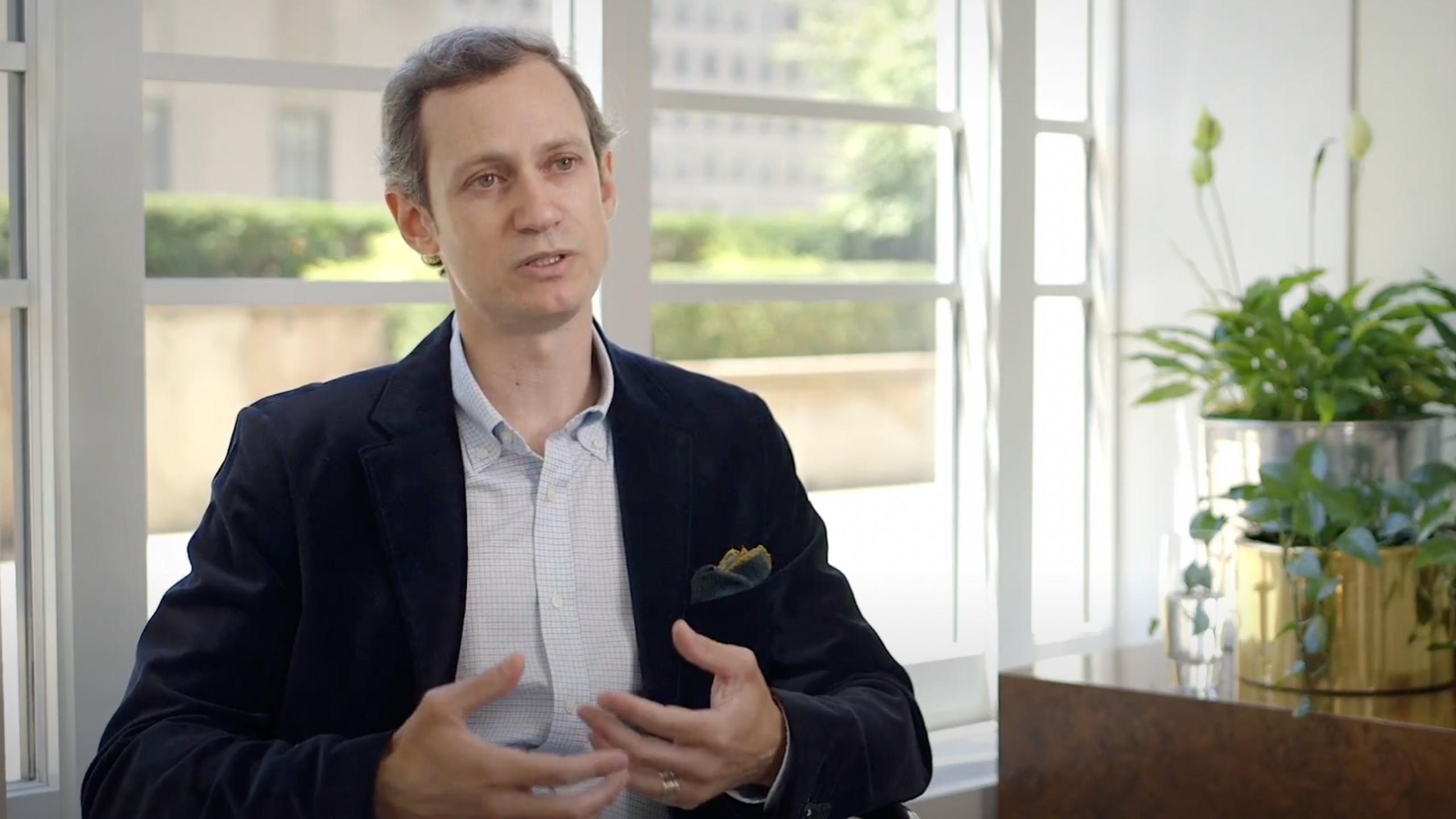
Brendan Koerner
A contributing editor for Wired said new Spotify podcast Soldier of Misfortune was directly lifted from a story he wrote for The Atlantic last year.
Journalist Brendan Koerner, now a contributing editor at Wired, took to Twitter Monday to vent his frustration that the story behind the Soldier of Misfortune podcast was taken without credit from show host Jesse Rapaport.
“This podcast series is a shameless rip-off of my @TheAtlantic story from last April. No credit is given and the creator did zero original reporting. He even mispronounces the main character’s name through all 8 episodes,” Koerner wrote.
This podcast series is a shameless rip-off of my @TheAtlantic story from last April. No credit is given and the creator did zero original reporting. He even mispronounces the main character’s name through all 8 episodes. (It’s “kuh-SEE,” not “KEY-see.”) 🧵 https://t.co/X19tHnSUXF
— Brendan I. Koerner (@brendankoerner) April 11, 2022
Koerner’s story for The Atlantic centers around Bobby Joe Keesee, a Korean war veteran, fraudster, and murderer.
Published in May 2021, Koerner says the original story titled “A Kidnapping Gone Very Wrong” took more than nine years to publish.
This is the obvious source material, which took me 9 years to report and write. Every key detail in the podcast comes directly from the story’s text, without any attribution. https://t.co/Y9s4JK3BfE
— Brendan I. Koerner (@brendankoerner) April 11, 2022
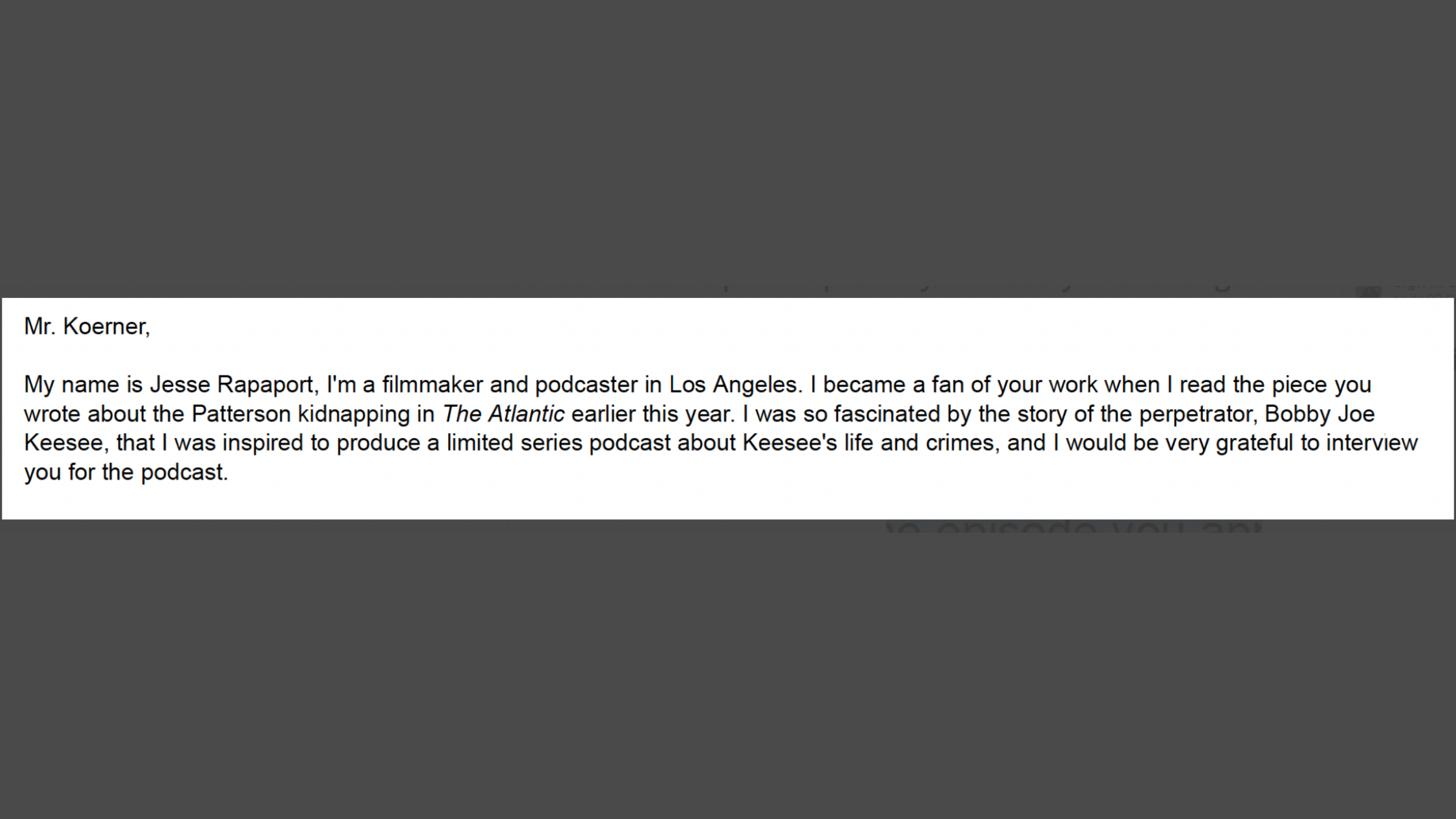
Koerner says Rapaport had previously reached out to him last year via email discussing his desire to take Koerner’s article and develop a podcast with the story.
“What’s truly wild is that the creator emailed me last fall and was candid about his plans to steal my work. He asked me to help him rip off my own story in exchange for, uh, free publicity,” he said.
What’s truly wild is that the creator emailed me last fall and was candid about his plans to steal my work. He asked me to help him rip off my own story in exchange for, uh, free publicity. I ignored him, figuring he’d never move forward with such a shady project. I was wrong. pic.twitter.com/NxjlNFaFjQ
— Brendan I. Koerner (@brendankoerner) April 11, 2022
Koerner shared cropped screenshots of the emails in his Twitter thread.
Koerner said he has hope for a conversation to begin about what constitutes as fair-use for podcasters in the future.
“Writing original nonfiction is such a grind. Shaping ideas, cultivating sources, sifting through archives, revising drafts—it all takes months or years,” he wrote. “Then a podcaster comes along, co-opts the work for free, and churns out content in mere weeks. It’s so disheartening.”
He also revealed that this is not the first time a story of his has been stolen and used as podcast material.
His book The Skies Belong to Us, about aircraft hijacking was used for the podcast Rotten Mango. No credit to Koerner was given. Rotten Mango currently ranks at number 35 out of all Spotify podcasts.
Regarding the use of his book, he said the “creator pretended like she’d done tons of painstaking research, when in fact she just used my book as a quasi-screenplay—she even read whole passages verbatim. The end result was a podcast that’s essentially an ad-sponsored rival to my audiobook.”
The creator pretended like she’d done tons of painstaking research, when in fact she just used my book as a quasi-screenplay—she even read whole passages verbatim. The end result was a podcast that’s essentially an ad-sponsored rival to my audiobook.
— Brendan I. Koerner (@brendankoerner) April 11, 2022
Koerner concluded, “The bottomless appetite for compelling yet cheap nonfiction content is becoming an epic bummer for those of us devoted to unearthing untold stories.”
Rapaport did not respond to a request for comment.
New: The Mediaite One-Sheet "Newsletter of Newsletters"
Your daily summary and analysis of what the many, many media newsletters are saying and reporting. Subscribe now!








Comments
↓ Scroll down for comments ↓