
Massive CBS Layoff Bloodbath Just the Beginning if Past Deals Are Any Indication

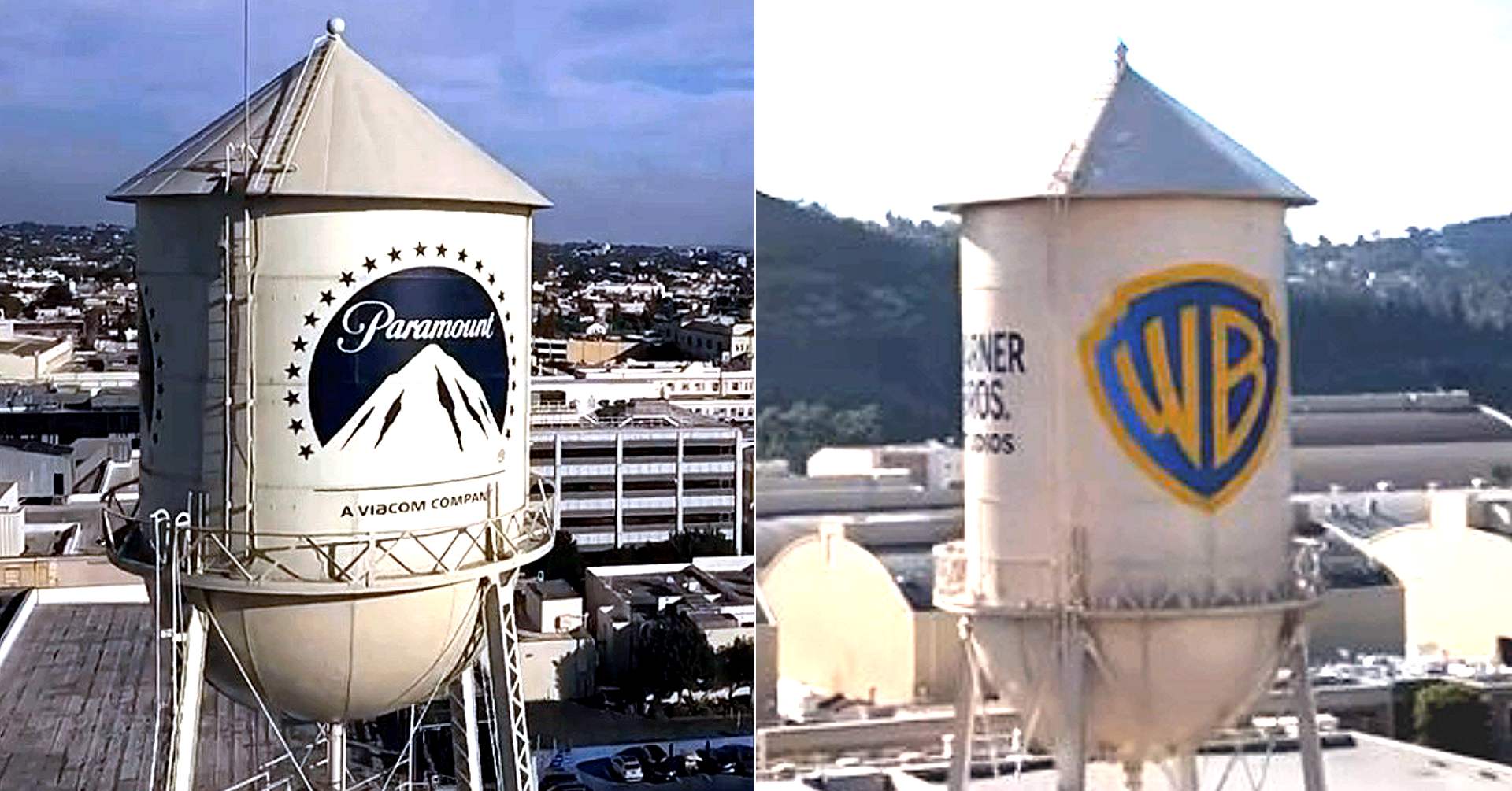
The Friday Morning Massacre at CBS News is just the reaper getting warmed up if similar deals of the past are any indication, and they usually are.
On Friday morning, CBS News editor-in-chief Bari Weiss announced drastic layoffs in an email, writing “Today we are reducing the size of our workforce, and employees who are affected will be notified by the end of the day.”
Hours later, another chunk of the same shoe dropped when Weiss announced that CBS was axing the entire news radio operation:
Today, we informed our CBS News Radio team and approximately 700 affiliated stations that we will end the service on May 22, 2026.
Unfortunately, this decision means that all positions within the CBS News Radio team are being eliminated.
The cuts come as Paramount Skydance’s bid to acquire Warner Bros Discovery rams full speed ahead, to the consternation of many and the delight of President Donald Trump and his allies. And if you think CBS is being gutted now, wait until that deal — and the debt that goes along with it — goes through.
One GOP strategist opposed to the deal points out what could be some political downsides to the merger for Republicans hoping to ascend in 2028.
“Most of the objections to this deal so far have focused on the extensive Qatari and Saudi financing component, plus the fact that Paramount has invested extensively in pro-trans, ‘gender-queer’ and ‘non-binary’ promoting content.
But the real rub for figures like Marco Rubio, JD Vance, and Josh Hawley— all likely to run for President in 2028 and all populists in the anti-Mitt Romney ‘Vulture Capital’ mold— is the heavy leverage involved and the fact that mass layoffs will be coming, especially in Georgia— a swing state where a ton of WB jobs currently exist. This deal makes the Toys R Us disaster or the Bain-Ampad deal that crushed Romney’s 2012 hopes look pro-worker,” the strategist said.
There will be more than enough tears to go around, though, after the deal goes through. Beyond the political considerations and the vultures drooling at the prospect of a Trump ally getting his hands on CNN, the debt connected to the deal spells doom for jobs.
The debt component of the deal has jumped from $54 billion at $30 a share to $79 billion at $31 per share, which business nerds refer to as an extremely high leverage ratio — about seven to one.
That’s a bad neighborhood to be in if you’re someone who wants to keep their job at ParaWarnerDiscoDance. History is littered with failed mergers, and high leverage ratios call for steep cost-cutting — often through job cuts. A few examples:
- In 1989, KKR executed its legendary leveraged buyout of RJR Nabisco at roughly 7.5–8.0 times leverage. The debt load was so crushing that the company had to slash more than 46,000 employees and divest $6.2 billion in assets by 1995. What had been a diversified consumer-giant empire was hollowed out, its workforce decimated, its communities scarred—all so bondholders and private-equity sponsors could be made whole.
- The Mitt Romney blast from the past: in 2005. KKR, Bain Capital, and Vornado Realty Trust swallowed Toys “R” Us at about 7 times leverage upon closing. The retailer ultimately shed 33,000 jobs—half their total headcount—before collapsing into bankruptcy. The pattern is identical: stratospheric debt forced asset fire sales and headcount reductions that turned a beloved American institution into a cautionary tale.
- Even a slightly less extreme case delivers the same lesson. Thomas H. Lee Partners acquired Simmons Bedding Company in 2003 at roughly 6.4 times leverage. By 2009 the company was forced to lay off about 1,000 workers—a full quarter of its workforce—in a single year. Simmons survived, but only after bleeding talent and institutional knowledge that never fully returned.
Paramount executives have already foreshadowed the cuts. In a December call, they said “We expect that at closing… we will be below, call it, at closing with accounting for synergies around 4x. And we’ll delever quickly to below 3x and almost 2x over the coming 2 years to 2.5 years.”
That is an incredibly quick timeline that will require brutal cost-cutting. And the alternatives to layoffs are a small and unattractive bunch:
- An interest-rate cut from the Federal Reserve would lower borrowing costs — but good luck relying on the economy to weaken enough to prompt a cut.
- Heavy reliance on AI-generated content could theoretically cut costs — and jobs, as well as tank audience interest in the slop that people are already fed up with.
- Fresh investors are theoretically possible, but if major investors were willing to write big checks, they would already be doing so.
- Offshoring jobs would save money but erode quality and still result in laying off the jobs being shipped overseas.
The massive CBS layoffs are not a temporary correction. They are the opening credits to a movie we’ve all seen before at the Leveraged Buyout Multiplex. If past deals are any indication, the second and third acts will be longer, bloodier, and more damaging than anyone wants to admit.
The only question left is how many more careers, how many more newsrooms, and how much more institutional knowledge will be sacrificed.
This is an opinion piece. The views expressed in this article are those of just the author.
New: The Mediaite One-Sheet "Newsletter of Newsletters"
Your daily summary and analysis of what the many, many media newsletters are saying and reporting. Subscribe now!








Comments
↓ Scroll down for comments ↓