Ryan Lizza, Olivia Nuzzi, and the Cafeteria Clique That Ate Journalism

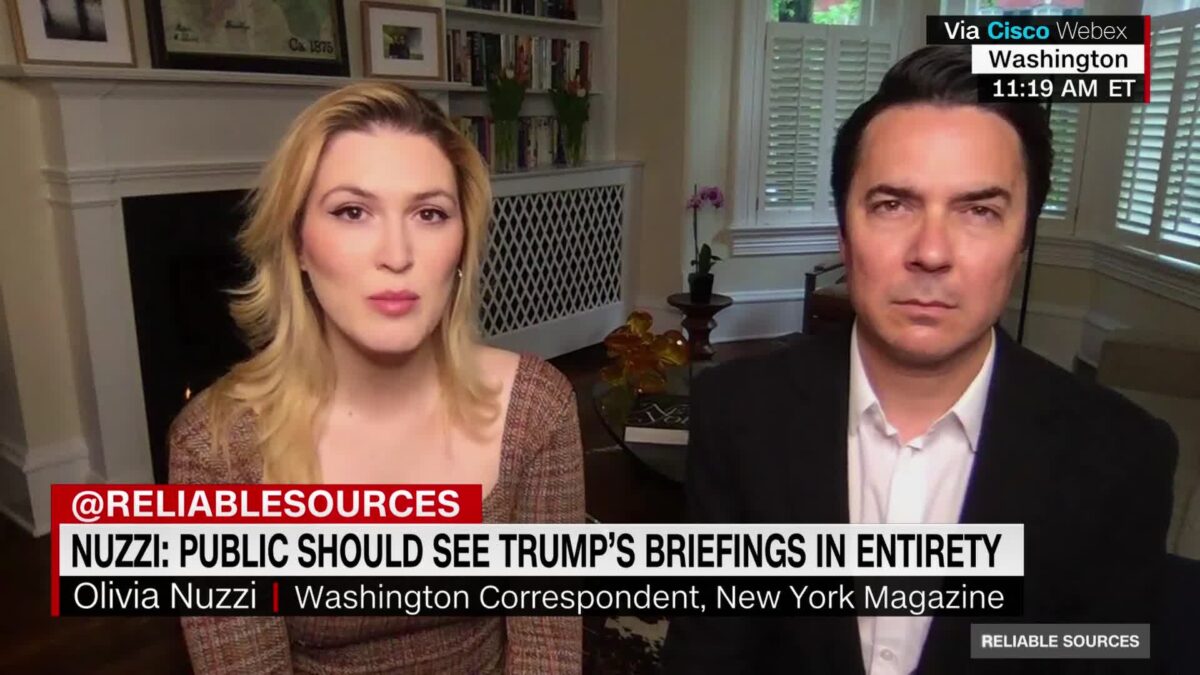
Ryan Lizza’s Part Five landed this week, and his Substack now reads like a middle school cafeteria turned true-crime podcast. Everyone knows everyone, everyone has receipts, and no one can step outside.
The new installment brings allegations involving coordinated smears, an FBI report, CAA maneuvering, political operatives, and Tucker Carlson offering shotgun advice. It’s chaotic, tawdry, and disturbingly familiar to anyone who has watched the Beltway “cool kids’’ table operate up close.
Lizza frames this as a story about Olivia Nuzzi, RFK Jr., and Trumpworld. What he actually exposes is how a certain class of political journalists really lives: a tiny group bound by shared secrets, overlapping careers, mutual leverage, and a constant performance of insider status. They write about power while acting inside a miniature version of it.
The timing says everything. Nuzzi’s memoir, American Canto, arrives amid a narcissistic and distasteful comeback that offers zero ownership or contrition for her massive ethical lapse. Lizza beat her to the punch with a serialized counter-narrative, tightly paced and loaded with screenshots. Two political journalists competing to own the same story—their story—using the same tools they once used to shape national political narratives. The performance comes straight from the ecosystem that produced them.
Part Five rewinds to September. Nuzzi is on leave from New York magazine shortly after Kara Swisher learned of the RFK Jr. affair and insists Nuzzi disclose it to her editor, David Haskell. Lizza tries to manage the disclosure himself but ends up trapped in a five-night hotel standoff with his soon to be ex-fiance he describes as unraveling. Swisher eventually goes to Haskell. The secret breaks.
Once the news reaches Oliver Darcy—starting a newsletter and looking for a tentpole scoop—the cafeteria forms its battle lines. Suddenly Nuzzi has a war room: CAA’s Rachel Adler, Matt Dornic formerly from CNN comms team, and friends who know crisis playbooks by heart. They try intimidation. They deny everything. They float warnings about potential self-harm. They cast Lizza as the unstable ex. Darcy keeps reporting. The story publishes.
Then the installment takes a darker turn. Lizza alleges coordinated defamation: false stories shopped to eleven outlets, accusations he stalked her, claims he hacked her phone because he once worked at a computer store in 1995. Then: an FBI report accusing him of hacking her phone and RFK Jr.’s, allegedly encouraged by Kennedy’s team to protect Trump’s political interests. If true, that’s not spin—it’s felony filing and institutional weaponization in service of political protection.
Lizza isn’t recounting this from a distance. He’s prosecuting his case in public, on a platform he controls, with subscription buttons attached to each revelation. He sits at the center of the scandal while also monetizing it. The narrator and the litigant are the same person. In this ecosystem, no one gets to be just a victim or just a villain. Everyone plays both roles, depending on which episode drops next.
Lizza and Nuzzi weren’t random journalists caught in a storm. They were fixtures at the power table. He ran Politico Playbook, the newsletter that sets Washington’s morning pulse. She wrote New York magazine profiles that shaped how politics “feels.” Their exes were their sources. Their subjects were their peers. Their colleagues were their confidants. The Venn diagram was a circle.
The response around Lizza shows how suffocating that circle is. Reporters called him to whisper what they heard from her side, then called her with what he said. Friends passed along screenshots like they were sliding notes across the lunch table. PR operatives nudged journalists. RFK Jr.’s security adviser reached out. Tucker Carlson offered tactical commentary as well as a shotgun. Everyone was in everyone else’s business because, in this world, there is no outside. It’s one clique performing for itself.
The public imagines journalism as a watchdog class. Lizza’s Substack reveals something closer to a social network that occasionally produces journalism—where accountability and score-settling rely on identical tools because everyone plays both parts.
I say this knowing I’m not outside this world. I’ve stood in the same cramped corners at WHCD parties with both Lizza and Nuzzi—together and separately—and found them funny, charming, disarming in that way only high-status insiders can be. I remember Nuzzi offering me a gummy at the UTA party, and feeling, absurdly, like a seventh grader who’d just been invited to sit at the cool table in a new school. That pull matters. If someone like me—who covers this industry for a living and knows how the machinery works—can feel a flicker of validation from proximity to Nuzzi at a party, imagine how alienating it looks to readers watching this group explain American politics while airing their personal grievances as content. The cafeteria isn’t just embarrassing; it’s corrosive to democratic trust. And maybe the person I should interrogate first is the guy in the mirror.
The consequences stretch beyond embarrassment. A press corps that turns personal collapse into serialized content can’t credibly serve as a counterweight to political power. Readers watching this saga don’t see journalists checking elites. They see insiders using journalistic machinery to protect themselves, punish each other, or settle scores. Credibility dissolves long before the story ends.
The Lizza–Nuzzi story will fade into Beltway lore. But the system that produced it—insiders who date each other, leak about each other, and then explain politics to the rest of us—remains in place. Journalism is operating like a cafeteria clique with press credentials, and the clique has convinced itself its drama matters to everyone else.
This is an opinion piece. The views expressed in this article are those of just the author.
New: The Mediaite One-Sheet "Newsletter of Newsletters"
Your daily summary and analysis of what the many, many media newsletters are saying and reporting. Subscribe now!








Comments
↓ Scroll down for comments ↓