Trump Reportedly Reversed Himself on Crucial Ceasefire Provision After Call With Netanyahu

AP Photo/Evan Vucci
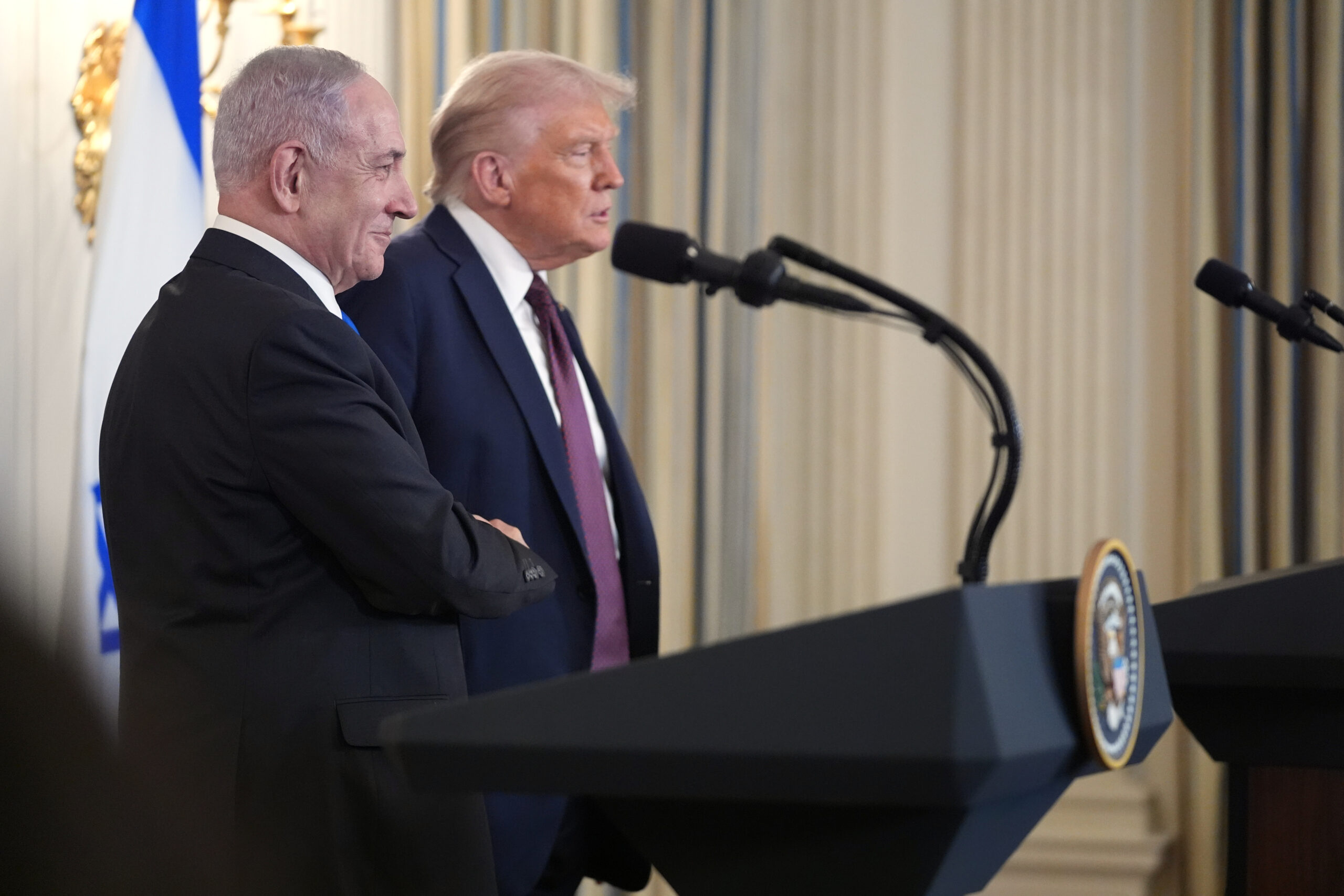
President Donald Trump changed course on a key provision in the U.S. ceasefire agreement with Iran after speaking with Israeli Prime Minister Benjamin Netanyahu, CBS News reported on Thursday.
On Tuesday, Trump announced a two-week ceasefire agreement with Iran. As part of the arrangement, the president said Iran had agreed to reopen the Strait of Hormuz. However, the strait remains all but closed after Iran had said the ceasefire included a pause on Israel’s invasion of Lebanon, which is still ongoing. Pakistani Prime Minister Shehbaz Sharif, who mediated talks, had also said that a cessation of hostilities in Lebanon was part of the arrangement.
Moreover, Trump himself had been told Lebanon was included in the agreement, according to CBS News, which reported that the president reversed himself after a call with Netanyahu:
Multiple diplomatic sources told CBS that President Trump had been told the ceasefire would apply to the Middle East region, and he agreed that included Lebanon. Mediators believed the ceasefire to include Lebanon, and Prime Minister Shehbaz Sharif of Pakistan announced it did. Iran’s foreign minister also said it was included. On the day of the ceasefire, a White House official told CBS News that Israel had also agreed with the terms of the deal that Pakistan had helped to broker.
However, the U.S. position shifted following a phone call between Netanyahu and Mr. Trump. Two sources familiar told CBS News that the changing U.S. positions and the disjointed regime in Iran are making the diplomacy highly complex.
On Thursday, Trump warned Iran that it “better not be” blocking the strait, and “if they are, they better stop now!”
This week, The New York Times published a lengthy telling of how Trump came to decide to wage war on Iran. Key to his understanding of the situation was Netanyahu, who gave a presentation at the White House.
“In the Situation Room on Feb. 11, Mr. Netanyahu made a hard sell, suggesting that Iran was ripe for regime change and expressing the belief that a joint U.S.-Israeli mission could finally bring an end to the Islamic Republic,” the Times reported.
Netanyahu told Trump and a small group of the president’s advisers that victory was virtually a certainty.
The prime minister has seldom been reluctant to try to influence U.S. Middle East policy. After meeting Netanyahu for the first time in 1996, President Bill Clinton told aides, “Who the f*ck does he think he is? Who’s the f*cking superpower here?”
In a 2001 video of Netanyahu, who was seemingly unaware he was being recorded, said in Hebrew, “America is a thing you can move very easily.”
New: The Mediaite One-Sheet "Newsletter of Newsletters"
Your daily summary and analysis of what the many, many media newsletters are saying and reporting. Subscribe now!






Comments
↓ Scroll down for comments ↓