‘Flagrantly Unconstitutional’: Federal Judge Suspends Controversial Texas Abortion Law

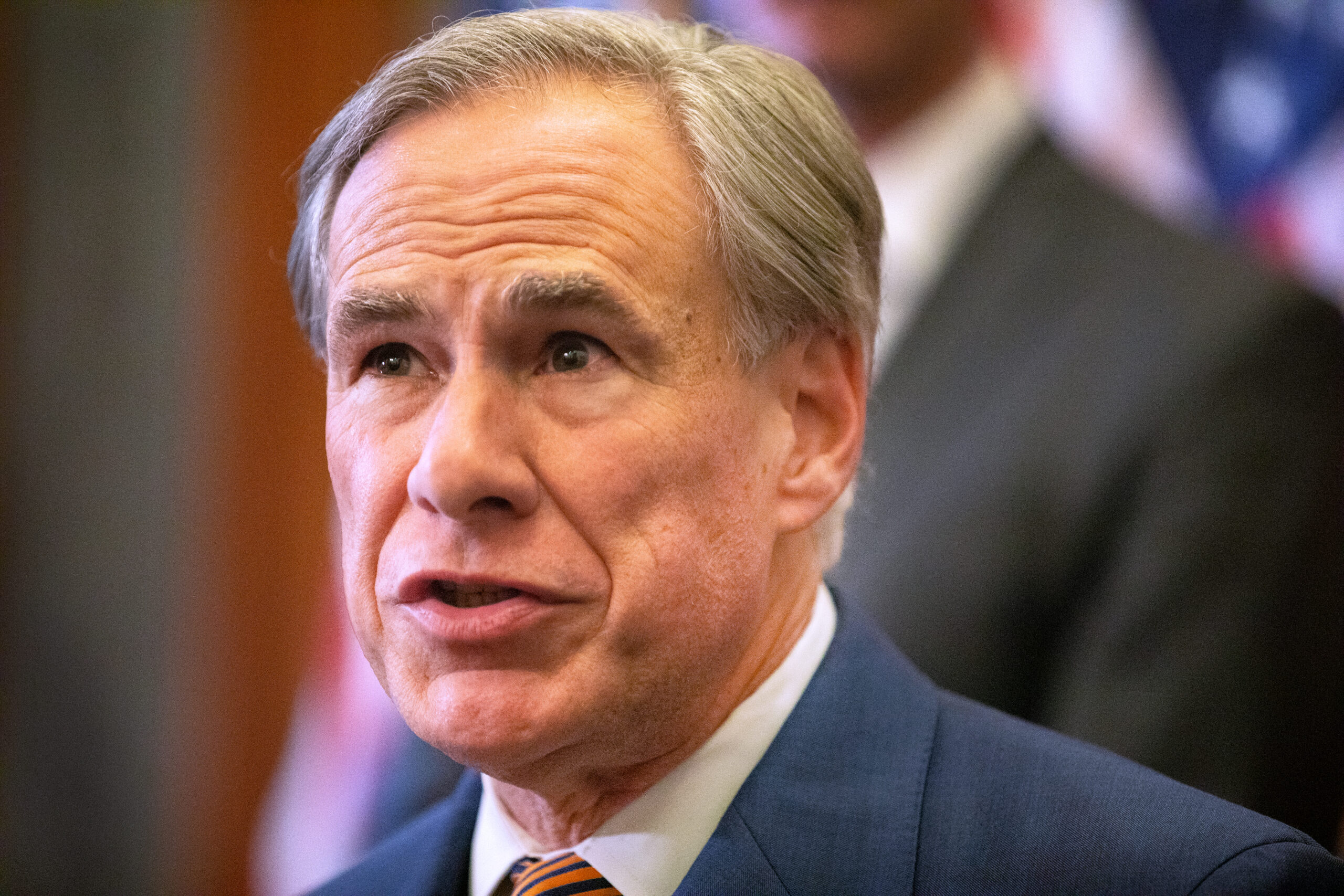
Photo by Montinique Monroe/Getty Images
A federal judge on Wednesday temporarily blocked the new Texas abortion law, which prohibited abortions after about six weeks with no exceptions for rape or incest. The law, which was signed by Gov. Greg Abbott (R-TX) and went into effect on Sept. 1, also permitted private citizens to sue medical providers and others who facilitated abortions for at least $10,000.
Prior to Sept. 1, Texas had allowed abortions up to 20 weeks of pregnancy.
The Justice Department sued Texas in early September, with Attorney General Merrick Garland arguing that “the act is clearly unconstitutional under longstanding Supreme Court precedent.”
U.S. District Judge Robert Pitman‘s ruling means that medical providers can resume offering abortions past six weeks without worrying about being sued, though providers are still subject to other laws and requirements.
Pitman, an Obama appointee, wrote in a 113-page order that “a person’s right under the Constitution to choose to obtain an abortion prior to fetal viability is well established.”
“Fully aware that depriving its citizens of this right by direct state action would be flagrantly unconstitutional, the State contrived an unprecedented and transparent statutory scheme to do just that,” he said.
Justice Department attorney Brian Netter deemed the law “an unprecedented scheme of vigilante justice.”
“A state may not ban abortions at six weeks,” Netter told the court on Friday. “Texas knew this, but it wanted a six-week ban anyway, so the state resorted to an unprecedented scheme of vigilante justice that was designed to scare abortion providers and others who might help women exercise their constitutional rights.”
Under Supreme Court precedent, a state could not ban abortion before fetal viability, or when a fetus could live outside of the womb, usually between 22-24 weeks into a pregnancy.
Since the law went into effect, the number of abortions in the state has decreased dramatically.
Planned Parenthood said it saw an 80% decrease in patients in its Texas clinic in the first two weeks of September. At the same time, reports of Texans traveling out of state to seek abortion services jumped.
According to the Associated Press, “An Oklahoma clinic had received more than double its number of typical inquiries, two-thirds of them from Texas. A Kansas clinic is anticipating a patient increase of up to 40% based on calls from women in Texas.”
Some expressed concern that the ban was deepening inequities among those unable to leave the state.
“That’s the people that have a working car, that can get time off, who have somebody who can take care of their kids,” Vicki Cowart, CEO of Planned Parenthood of the Rocky Mountains, told the Texas Tribune. “There are going to be thousands of individuals who don’t have that wherewithal, and it’s really particularly going to impact women of color, young women, rural women.”
According to Bloomberg, the Justice Department focused on the significant impact the law has had, including that it has caused people to have to drive out of state.
Texas is expected to challenge the ruling, and the court battle could potentially make its way up to the Supreme Court.
The Supreme Court previously declined to block the law, but left open the possibility to address it in the future.
New: The Mediaite One-Sheet "Newsletter of Newsletters"
Your daily summary and analysis of what the many, many media newsletters are saying and reporting. Subscribe now!








Comments
↓ Scroll down for comments ↓