Jeffrey Epstein’s Possible Suicide Note Reportedly Locked In a Courthouse

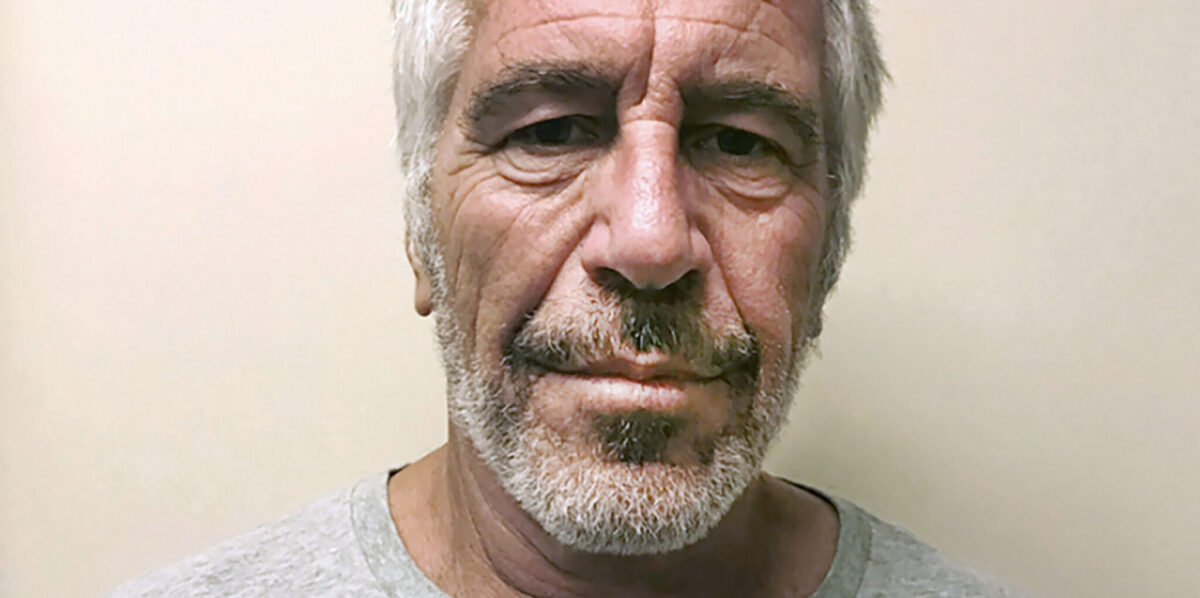
New York State Sex Offender Registry via AP, File
A suicide note possibly written by Jeffrey Epstein is allegedly hidden away in a New York courthouse, according to a new report by The New York Times.
This report says Epstein’s cellmate, Nicholas Tartaglione, uncovered the note in July 2019 after Epstein survived his first suicide attempt and just weeks before he was later found dead.
The New York Times wrote that they petitioned the federal judge who sealed the note as part of Tartaglione’s case — meaning it was likely not included as evidence from the Epstein investigation — to unseal it on Thursday. The Times stated that they could not find the note among the released Epstein files.
Tartaglione, a former police offer, told The New York Times via a series of phone interviews from a California federal prison that the note said it was “time to say goodbye.”
He claimed the note was ripped from a yellow legal pad, tucked into a graphic novel in their cell. He told the reporters that Epstein wrote investigators “found nothing” and something like, “What do you want me to do, bust out crying? Time to say goodbye.”
Tartaglione, who is reportedly seeking an appeal and insists upon his innocence, is charged with a quadruple homicide and is currently serving four life sentences.
A two-page chronology of unknown origins shared by the report’s writers suggests that Tartaglione’s own lawyers had somehow, though unclear how, authenticated the note. In a 2025 interview with MAGA influencer Jessica Reed Kraus, Tartaglione said his lawyers had used “handwriting experts.”
According to the Times, Epstein had told jail officials that the marks around his neck in July 2019 were because Tartaglione attacked him, though Epstein allegedly told officials the two had “never had any issues” just one week later.
Judge Kenneth M. Karas in White Plains, New York, reportedly ordered the note to be returned to the court, Tartaglione and one of his lawyers, John Wieder, told The New York Times.
“The note appears to have become enmeshed in a protracted dispute among Mr. Tartaglione’s lawyers, leading Judge Karas to appoint an outside lawyer to look into the conflict, according to public filings,” the Times concluded. “Documents related to the dispute were sealed in order to protect attorney-client privilege, the filings say. The judge eventually issued a brief order that disqualified Mr. Wieder from the case, citing a separate, sealed order that apparently explained why.”
The outlet reached out to the court for comment, but the spokesperson declined to comment — saying only that records like this one are kept in court vaults.
New: The Mediaite One-Sheet "Newsletter of Newsletters"
Your daily summary and analysis of what the many, many media newsletters are saying and reporting. Subscribe now!









Comments
↓ Scroll down for comments ↓