Department of Justice Sues Texas Over Voting Law

Kevin Dietsch/Getty Images
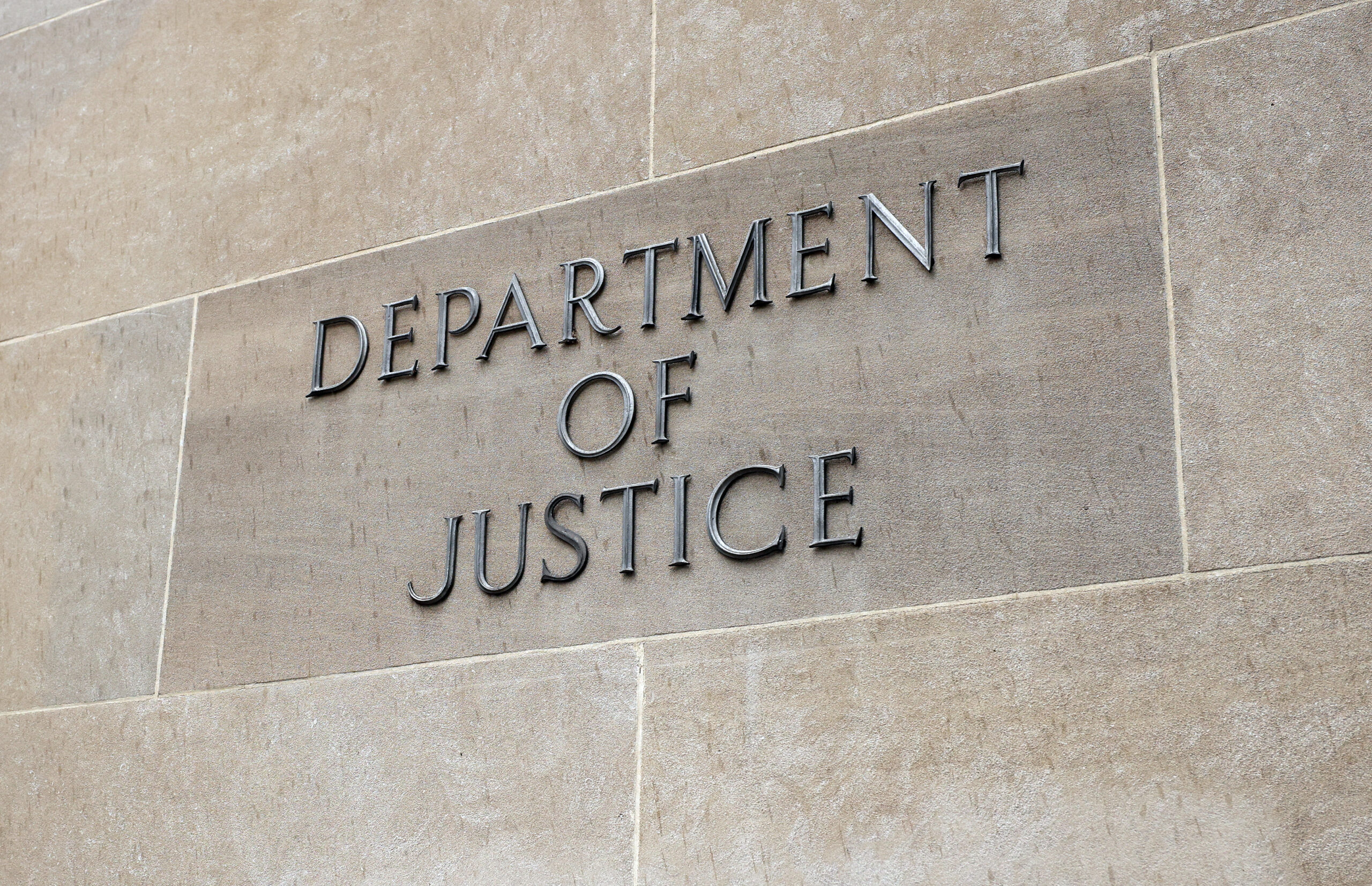
The Department of Justice announced on Thursday that it has sued Texas of the state’s voting law, Senate Bill 1, which took effect in September but not before Texas state Democrats fled their state in an attempt to filibuster it.
The DOJ claimed that provisions of the law violates federal law, specifically the 1965 Voting Rights Act and 1964 Civil Rights Act. The lawsuit was filed in a federal court in the Lone Star State.
“Our democracy depends on the right of eligible voters to cast a ballot and to have that ballot counted,” said Attorney General Merrick Garland in a DOJ statement. “The Justice Department will continue to use all the authorities at its disposal to protect this fundamental pillar of our society.”
“The Civil Rights Division is committed to protecting the fundamental right to vote for all Americans,” said Kristen Clarke, assistant attorney general for the Civil Rights Division, in the statement. “Laws that impair eligible citizens’ access to the ballot box have no place in our democracy. Texas Senate Bill 1’s restrictions on voter assistance at the polls and on which absentee ballots cast by eligible voters can be accepted by election officials are unlawful and indefensible.”
According to the statement:
The United States’ complaint contends that Senate Bill 1 violates Section 208 of the Voting Rights Act by improperly restricting what assistance in the polling booth voters who have a disability or are unable to read or write can receive. The complaint alleges that Senate Bill 1 harms those voters by barring their assistors from providing necessary help, including answering basic questions, responding to requests to clarify ballot translations or confirming that voters with visual impairments have marked a ballot as intended. The United States’ complaint also contends that Senate Bill 1 violates Section 101 of the Civil Rights Act of 1964 by requiring rejection of mail ballots and mail ballot request forms because of certain paperwork errors or omissions that are not material to establishing a voter’s eligibility to cast a ballot. The complaint asks the court to prohibit Texas from enforcing these requirements.
New: The Mediaite One-Sheet "Newsletter of Newsletters"
Your daily summary and analysis of what the many, many media newsletters are saying and reporting. Subscribe now!






Comments
↓ Scroll down for comments ↓