
Enrique Acevedo Reports on Dangerous Immigration Journey for 60 Minutes+: ‘Listen to the People Who Live There Every Day’

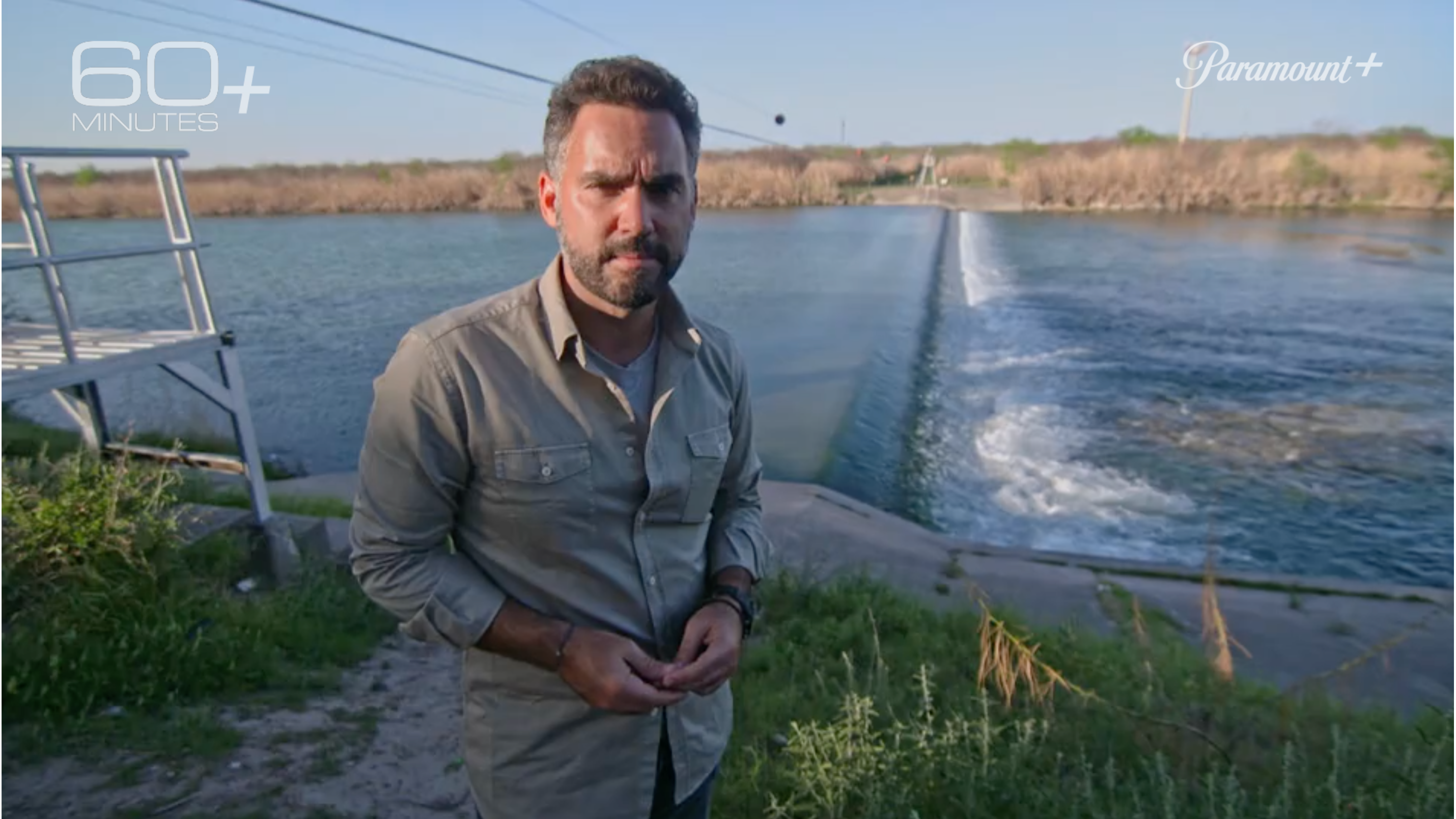 Enrique Acevedo/Courtesy 60 Minutes+
While covering immigration and the humanitarian crisis at the Southern border, 60 Minutes+ reporter Enrique Acevedo came across an unexpected refuge for migrants making their way toward the U.S.
“We were looking at ‘safe houses’ in the border town of Piedras Negras, Mexico,” Acevedo told Mediaite. “The shelters are closed due to the pandemic so migrants end up in privately-owned homes where they can spend the night and have access to the most basic accommodations.”
In the course of looking for these homes, which Acevedo says are sometimes run by people associated with human smuggling operations, he and his team found the Hotel Santa Rosa. The hotel, which used to cater to wealthy customers, has become a haven for people fleeing from countries including Guatemala, El Salvador, and Honduras.
“As soon as we saw the hotel and learned it was fully booked with dozens of migrants, we made the decision to focus on the Santa Rosa as a ‘character’ in our story,” Acevedo said.
The hotel, which has only 25 rooms, was fully booked, and Acevedo spoke with both adults and children who had made a long and dangerous journey, and who now had nowhere to stay. With Friday’s news that President Joe Biden will not immediately raise the limit of refugee admissions, currently capped at 15,000 by the administration of former President Donald Trump, the situation at the Santa Rosa, and other havens for migrants, is only likely to worsen.
Acevedo, who was born in Mexico, has been covering the border and immigration for more than a decade, and says the current situation is, unfortunately, a familiar one.
“This feels similar to what we saw in 2014, 2016 and 2019,” Acevedo said. “I’ve heard people say the arrival of unaccompanied minors and families from Central America is a glitch in the system, that it will eventually go away on its own, but I think this is a permanent feature of our immigration system. Especially when you see that the root causes of the problem are deteriorating, and you have new factors at play, such as the pandemic, disinformation campaigns, and climate change.”
Acevedo was trained in what he called “traditional principles of journalism, where keeping professional distance from the stories and the people we cover is considered sacred.”
“But to be totally honest,” Acevedo continued, “I don’t think you can be a great reporter without a healthy dose of empathy and compassion. I believe in building a real connection with the subjects I’m interviewing and actively listening to their stories. I don’t know how you can tell a good story without feeling at least some sense of proximity to it.”
It’s this sense of proximity that Acevedo says he wishes more people would experience.
“I think everyone should go to the border at least once and listen to the people who live there every day,” he said. “You’ll find two cultures learning, borrowing and feeding off of each other. You’ll also find a lot of history and a lot of important perspectives that are often missing from our national conversation about immigration, our relationship with Mexico and even our national identity.”
Acevedo has at least one immigration-related story in the works, about family reunification, and he hinted that he may be heading to Paris for a story relating to the French Open this summer.
Upcoming stories for 60 Minutes+, which is available on the Paramount+ streaming service, from journalists Wesley Lowery, Laurie Segall, and Seth Doane will cover such topics as water safety in Mississippi, NFTs, and coming up this Sunday, a piece on a powerful and secretive crime syndicate in southwest Italy.
New: The Mediaite One-Sheet Newsletter
Your daily summary and analysis of what the many, many media newsletters are saying and reporting. Subscribe now!








Comments
↓ Scroll down for comments ↓