Mediaite One Sheet: New Smartphone Video? New Narrative Battle

Welcome to a special preview of the all-new Mediaite One Sheet! Every weekday, Mediaite’s team of media-savvy writers and editors will sift through the dozens of media newsletters and curate all of the day’s best content in easily-digestible fashion — complete with insider knowledge and smart takes, all delivered to your inbox. Yes, we will sort through all the unique takes (and sort out the aggregation) and become your ultimate meta media newsletter, the single place you need to stay on top of everything in the media/politics newsletter world. Read on for a sample and subscribe to Mediaite+ at a highly discounted rate — where included is an ad-free experience on Mediaite.com!…And away we go!
The Big Picture
The chattering class is grappling with a simple reality: the smartphone is now the most powerful force in American politics. Charlie Sykes argued that thousands of videos from Minneapolis accomplished what speeches, podcasts, and congressional oversight could not. The administration retreated. A senior official lost his social media megaphone. Elsewhere, institutions are fraying. The Washington Post’s sports desk is quietly being told to prepare for layoffs. CBS offered buyouts one day after Bari Weiss promised a transformation. Barry Diller is circling CNN. The Oscars have adopted a don’t-ask-don’t-tell posture on AI.
The common thread is control. When everyone has a camera, power shifts fast, and narrative authority is harder to hold.
Today’s sources: Charlie Sykes | Matt Taibbi | Status | Puck | The Ankler | Poynter | Nieman Lab | Adweek | Tubefilter | Feed Me | Simon Owens | CJR | Barrett Media | TheDesk.net | Politico Playbook/em>
Top Story
SMARTPHONES VS. SPIN: NEW FOOTAGE, NEW NARRATIVE BATTLE?
Screenshot
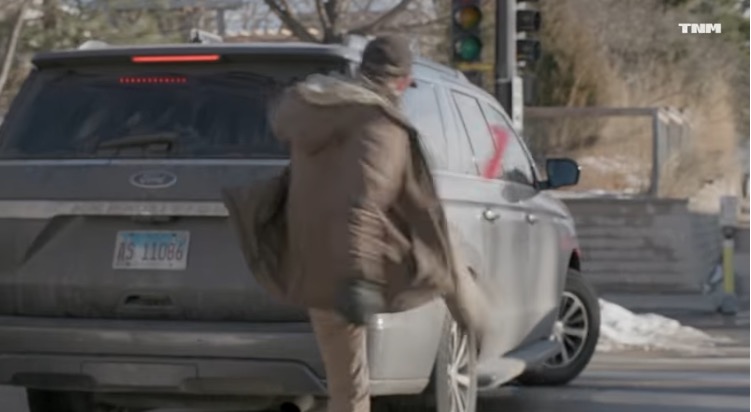
New video surfaced Wednesday night showing Alex Pretti in a physical confrontation with federal agents during a protest in Minneapolis 11 days before he was fatally shot on January 24. Pro-Trump voices quickly circulated the footage to support claims that Pretti was an agitator. Many news organizations moved cautiously, waiting for verification from BBC Verify and confirmation from Pretti’s parents.
Most media newsletters did not engage with the late-breaking video. Instead, they focused on what increasingly looks like a Trump administration retreat, as the Minneapolis story shifted from breaking news to political damage control. A consensus is forming: citizen-captured footage reshaped the coverage and constrained the administration’s response.
Charlie Sykes offered the clearest frame. Trump has now backed off twice in quick succession, first on Greenland, then on Minneapolis. In Minnesota, Sykes argued, the pressure did not come from institutions but from ordinary citizens with phones. The volume of footage overwhelmed the spin. His conclusion was blunt: those videos succeeded where speeches, podcasts, and Congress failed.
Poynter’s Tom Jones traced how television drove Trump’s reaction. According to reporting by The New York Times and NBC News, the president was less angered by the shooting itself than by the coverage eclipsing his immigration messaging. As he watched clips of the confrontation, aides said he grew increasingly unsettled. Apple CEO Tim Cook called Trump directly to urge de-escalation. Sen. Lindsey Graham told the Times, “Nobody understands TV better than him.”
Jones also highlighted the most telling consequence of the episode. Border Patrol chief Gregory Bovino was stripped of access to his official social media accounts. As the Times’ Shawn McCreesh put it, demotion is one thing; losing the megaphone is another. Trump’s own explanation to Fox was characteristically direct: Bovino is “a pretty out-there kind of a guy,” and this time it did not help.
Matt Taibbi, writing in Racket, tracked the GOP’s internal strain. Ted Cruz warned that escalating rhetoric “loses credibility.” Sen. John Curtis criticized Kristi Noem for rushing to judgment. Trey Gowdy said on Fox that Pretti “is not a domestic terrorist.” The NRA accused administration officials of demonizing lawful gun owners. Taibbi cited recent polling showing 19 percent of Republicans now support abolishing ICE, up ten points since June.
Status’s Natalie Korach documented the widening divide between Murdoch media and explicitly MAGA outlets. Fox’s Brit Hume said the crackdown had “hit its political limits.” The Wall Street Journal editorial board urged federal authorities to reduce their footprint and published a Tim Walz op-ed condemning the response. On the other flank, Steve Bannon urged Trump to escalate, while Matt Walsh labeled Pretti a domestic terrorist.
QUICK TAKE: For years, politicians bypassed the press to reach voters directly. Minneapolis reversed that flow. Citizens bypassed both politicians and legacy media, flooding platforms with raw footage that set the terms of coverage before the administration could respond. Whether this tactical retreat becomes a policy shift remains unresolved.
Three Takes
THE WASHINGTON POST’S ACCELERATING COLLAPSE
To read our comprehensive list of Top Reads, What Was Missed, who received the coveted Newsletter of the Day, and our Bottom Line, subscribe here!

New: The Mediaite One-Sheet "Newsletter of Newsletters"
Your daily summary and analysis of what the many, many media newsletters are saying and reporting. Subscribe now!





Comments
↓ Scroll down for comments ↓