
Bari Weiss Is Failing to Lead CBS News — But Doing Exactly What Her Bosses Want

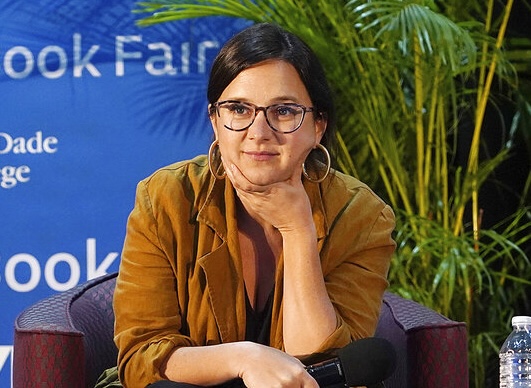
(Photo by Alberto E. Tamargo/Sipa USA)(Sipa via AP Images)
Bari Weiss is doing just fine at CBS News.
That sentence should surprise anyone following the reporting. The newsroom is in open revolt. Leaks are constant and unflattering. The New Yorker published a devastating profile. The New York Times documented chaos and institutional breakdown. Scott Pelley has dressed Weiss down in meetings. Sharyn Alfonsi has circulated accusatory memos. “Mutiny” is not hyperbole; it is how the situation is now commonly described inside the building.
And yet, according to sources familiar with the situation, Weiss remains in ownership’s remarkably good stead. She is not viewed as being in jeopardy. She is exactly where Skydance Paramount needs her.
The reason is not subtle. Weiss appears willing to serve the function her billionaire owners require: maintaining a posture that keeps President Donald Trump satisfied while regulator-dependent corporate ambitions remain unresolved.
This is often compared to the Chris Licht debacle at CNN, but the contrast matters more than the similarity. Licht was fired. Weiss, sources say, is not going anywhere. That difference explains what is actually happening.
Licht tried to depoliticize CNN after Jeff Zucker, the beloved micromanager who turned the network into an anti-Trump ratings machine. Licht believed he could pivot away from partisan warfare just as CNN’s identity and audience had been forged by it. The Trump town hall, the tone-deaf Atlantic profile, the alienated talent—he misread the moment completely.
But Licht was sincere, and when his project failed, David Zaslav fired him because CNN still needed to function as a news organization. The institution mattered.
CBS News does not appear to matter to Skydance in the same way. What matters is regulatory goodwill. Weiss appears willing to serve that purpose.
The reporting explains why the newsroom reached that conclusion almost immediately. In the weeks before her hiring, Weiss boasted that she did not own a television. She reached out to Bret Baier without realizing he was under contract. She sent a Musk-style memo demanding staff justify their existence. She spoke casually about the “de-Baathification of CBS.” She missed the final screening of the CECOT segment, then pulled it three hours before air.
The following day, the Ellisons announced a dramatically strengthened financing posture, with Larry Ellison personally guaranteeing tens of billions of dollars.
The timeline matters. The Free Press acquisition for $150 million came as regulatory approvals were required for Paramount’s future. Weiss was installed as editor-in-chief. The network settled Trump’s lawsuit for $16 million. The FCC approved the Paramount–Skydance merger shortly after. Then the CECOT segment was killed just as broader corporate ambitions intensified.
Taken together, the decisions tell the story.
According to The New Yorker, Weiss’s “main concern” is “being able to book” Trump administration officials, even as she privately expresses alarm about Trump’s actions. That is not editorial leadership centered on accountability. It is prioritizing access to power. It is functioning as a toady, whether she recognizes it or not.
That role stands in direct contradiction to the persona Weiss spent years cultivating. She resigned from The New York Times over what she called institutional capture. She founded The Free Press promising journalism that served audiences rather than elites, that challenged power instead of courting it. She positioned herself as a critic of precisely this kind of accommodation.
At CBS News, she has become its clearest example—subordinating editorial judgment to ownership’s regulatory strategy, prioritizing access over accountability, pulling stories when deal timing demands it.
The staff understands this. They are furious and largely trapped. Jobs are scarce. Senior figures are not in a position to simply walk away. They are watching their institution be sacrificed and have little power to stop it.
Much of the coverage has treated this as a story of incompetence or inexperience. The evidence suggests something else. This is what institutional capture looks like in practice—when someone who built a career condemning it becomes willing to serve it.
For Weiss, the evidence suggests the price was $150 million and an editor-in-chief title. The tragedy is not that she is failing. It is that by the only standards that appear to matter to ownership, she is succeeding.
This is an opinion piece. The views expressed in this article are those of just the author.
New: The Mediaite One-Sheet "Newsletter of Newsletters"
Your daily summary and analysis of what the many, many media newsletters are saying and reporting. Subscribe now!









Comments
↓ Scroll down for comments ↓