
Google Search Trends Show Trump’s ‘Sleepy Joe’ Nickname For Biden Isn’t Catching On

Brendan Smialowski / AFP via Getty Images
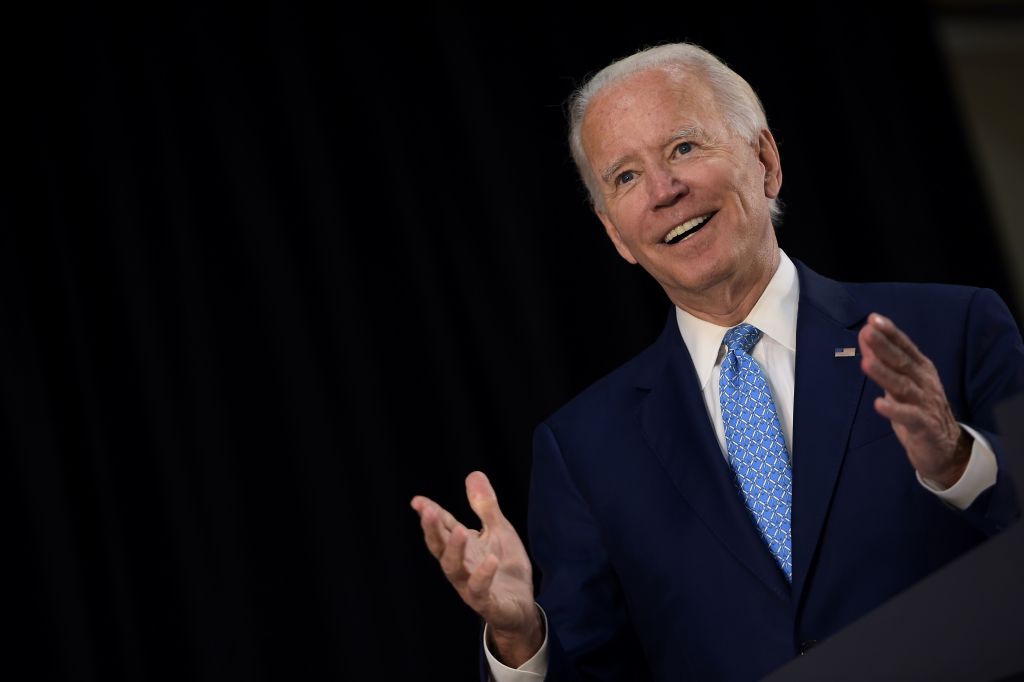
President Donald Trump‘s political career has prominently featured his habit of assigning disparaging nicknames to his opponents and critics, and the monikers he bestowed upon his 2016 rivals for the presidency helped him knock them aside. But he’s having trouble replicating the impact he had with “Crooked Hillary” this year — “Sleepy Joe” just isn’t catching on.
“Crooked Hillary,” of course, refers to former Secretary of State and First Lady Hillary Clinton, the 2016 Democratic nominee. The nickname was simple, it was insulting, and perhaps most importantly, it directly addressed concerns many voters had about her. Throughout the 2016 election cycle, polls showed Clinton getting poor marks for honesty and trustworthiness, and not just from Republican voters.
Other nicknames Trump tossed around in 2016 — “Lyin’ Ted” for Texas Sen. Ted Cruz , “Low Energy Jeb” for former Florida Gov. Jeb Bush, “Little Marco” for Florida Sen. Marco Rubio — similarly hit their targets. The way Trump consistently branded Cruz seems now in hindsight to be a trial run for “Crooked Hillary,” Bush’s campaign boasted staggering fundraising at its launch but had trouble exciting voters, and Rubio was facing criticism that he was too young or inexperienced for the job.
Trump so frequently nicknames his political opponents, world leaders, and members of the media there’s an entire Wikipedia page dedicated to cataloguing them.
But “Sleepy Joe” isn’t having nearly the same impact on Trump’s Democratic opponent this year, former Vice President Joe Biden.
Google Search Trends for “Crooked Hillary” and “Sleepy Joe,” comparing similar election year periods from March through June in 2016 and 2020 respectively, show a significantly lower interest in Trump’s nickname for Biden.
Trump’s “Sleepy Joe” name-calling isn’t generating nearly the buzz “Crooked Hillary” (or “Little Marco”) did in 2016. https://t.co/VonJQVnHOO
— Axios (@axios) July 6, 2020
As Axios‘ Shane Savitsky noted, there are likely several factors affecting these results, including changes tech companies have made to “shut down hate speech and flag misinformation, killing the sources of some of Trump’s favorite conspiratorial material,” plus the ongoing coronavirus pandemic and related economic troubles that are distracting many Americans from caring about whom the President of the United States might be insulting on Twitter today.
The pandemic is undoubtedly contributing to Trump’s messaging struggles. While the campaign has sought to energize Republican base voters over law and order issues (as Trump himself has tweeted in all caps several times, “LAW AND ORDER!”), worries about antifa rioters, and the ongoing debate about Confederate monuments, the coronavirus blocks out the sun when compared to these other issues.
Except for a few days at the end of May in the immediate aftermath of George Floyd’s death, searches for “coronavirus” have far outpaced searches for “police,” “antifa,” or “statues.”
Whether or not Biden is “Sleepy” isn’t hard-hitting enough or connecting to the issues voters care about well enough to cut through all the noise.
Searches for “kanye 2020” surged past searches for “sleepy joe” again this week after Kanye West tweeted that he was running for President. Whether the rapper, criminal justice reform advocate, and Kardashian husband is serious about a presidential bid remains to be seen, but more people wanted to know more about West than Trump’s nickname for Biden.
New: The Mediaite One-Sheet "Newsletter of Newsletters"
Your daily summary and analysis of what the many, many media newsletters are saying and reporting. Subscribe now!







Comments
↓ Scroll down for comments ↓