
The Gay Aughts

Brokeback Mountain and Milk win Academy Awards
Few would have imagined that a movies about gay cowboys and an assassinated San Francisco politician would turn into Oscar success, but the movies showed you could have movies about LGBT people with broad public appeal and high quality — take that The Birdcage.
While the most talked about scene in Brokeback Mountain was the sex scene between actors Jake Gyllenhall and the late Heath Ledger, the most compelling moment was when Ledger’s on-screen wife saw the cowboys in a passionate kiss and the audience realizes this isn’t about horny cowboys, but instead a love story.
The movie Milk is a more political movie with Sean Penn embodying Harvey Milk, the first gay member of the San Francisco City Council who was assassinated by Dan “Twinkie Defense” White. While also a love story, of sorts, it was also a history lesson released just days after voters in California rejected same-sex marriage. Some things never change.
Ellen DeGeneres Named a CoverGirl
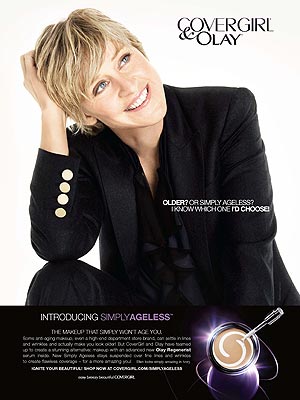
America’s lesbian sweetheart went completely mainstream in 2008 when makeup company CoverGirl uncontroversially announced that Ellen DeGeneres would be the first (openly) lesbian spokeswoman. After talking about her marriage to Portia De Rossi on her hit talk show and mainstreaming lesbian life, a spot as a CoverGirl demonstrated how far things had come. DeGeneres’ harmless, non-confrontational lesbian persona reassured CoverGirl customers that make-up didn’t need to have a sexual orientation.
Andy Cohen named Senior VP of programming at Bravo
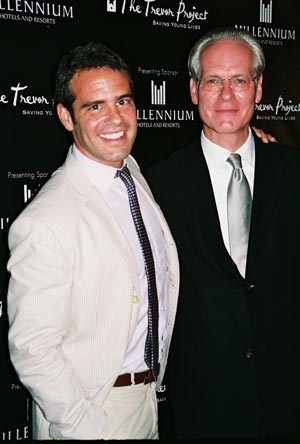
Supplanting Logo as the REAL gay network, Andy Cohen is the man who brought us Project Runway, Top Chef, the Real Housewives franchise, Make Me a Supermodel, and Work Out. In the process, Cohen created a network that looked at gay men and lesbians as cultural symbols, but also regular people (who happen to design clothes, cook, model, or act as personal trainers).
Building on the success of Queer Eye for the Straight Guy, Cohen realized that programming could integrate LGBT personalities and plot-lines while still attracting viewers. He helped turn professor Tim Gunn into our favorite, smart gay uncle and made chef Tom Collichio into a sex symbol who crossed sexual orientation lines.
Federal Hate Crimes Bill Passed with Protection for Transgender People
The 2009 passage of a federal hate crimes law that includes protection based on sexual orientation and gender identity caps a decade of transgender visibility. Transgender rights laws were passed in 12 states and the District of Columbia during the decade, transgender issues came front and center in the media, and the sometimes uncomfortable relationship between the LGBs and the Ts became a more public conversation as the shared concerns overcame the differences.
Celebrities Come Out to Collective Yawn
Celebrities coming out of the closet took a very “post-gay” turn this decade, with people like Neil Patrick Harris, Wanda Sykes and Cynthia Nixon coming out with little fanfare and fewer repercussions. Harris’ “it’s no big deal” coming out, Sykes’ “I just got married” and Nixon’s “oh yeah, I’m with a woman” announcements appeared to have no repercussions on their careers and represent a refreshing, drama-free approach to the celebrity coming-out story.
(In fact, NPH, as he is known, went from hosting the Tonys to hosting the Emmys — flawlessly — and has seen his status as a beloved pin-up across gender and orientation lines only grow.)
Even Adam Lambert’s American Idol glass closet seemed like a silly formality when compared with Clay Aikin‘s “well, duh!” coming out a few years earlier (though his AMA performance revealed the limits of that easygoing tolerance.)
New York Times runs first same-sex wedding announcement
The Gray Lady’s 2002 decision to run same-sex wedding and “celebration” announcements represented a cultural moment where the paper recognized things were changing. The Sunday Styles section has always been the gay Sports page and the addition of same-sex couples to the rarified world of NYT wedding announcements cemented the deal.
By the end of the decade, marriage for same-sex couples was legal in five states and newspapers across the country now routinely include same-sex couples on their wedding pages.
Must-See TV
While mainstream audiences think of shows like Will & Grace as being “gay television,” the decade actually produced three series that were set inside the LGBT community and created huge fanbases in gay bars, community centers, and living rooms across the country.
Showtime offered both Queer as Folk and the L Word. QAF, based on the British series, ran for five seasons and showed the hypersexual world of gay and lesbian Pittsburgh (well, actually Toronto). The show’s frank and explicit sexuality was combined with discussions of HIV/AIDS, meth use, aging in the gay community, same-sex marriage, and hate crimes. The L Word was set in the slick and beautiful world of Los Angeles power-lesbians, but focused on issues like gay parenting, bisexuality, gays in the military, transgender issues, and lesbians coming-out later in life.
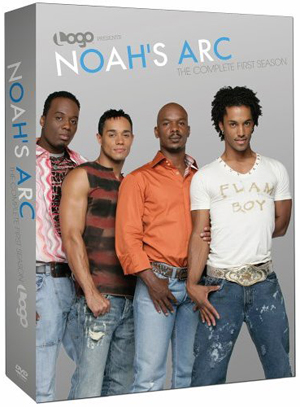
The Logo network’s Noah’s Arc left the white gay world and explored the lives of gay African American men in a way never before seen on television. The series dealt with issues like masculinity, “the down low,” gays in Hollywood, and gay parenting in minority communities.
Did we leave anything out? Please let us know in the comments section below, or email rachel@mediaite.com to suggest additions or report omissions.
Pages: 1 2
This is an opinion piece. The views expressed in this article are those of just the author.
New: The Mediaite One-Sheet "Newsletter of Newsletters"
Your daily summary and analysis of what the many, many media newsletters are saying and reporting. Subscribe now!






Comments
↓ Scroll down for comments ↓