
Jimmy Fallon and Late Night: The Future Of Broadcast TV

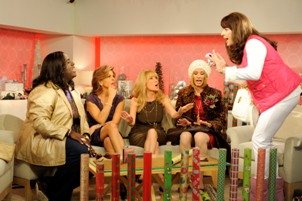 While the ratings started strong for Fallon’s Late Night launch in March, they’ve predictably come down a bit since then. The patten the show has seemed to settle into is winning the demographics (almost always in the 18-49 category, and even more so in 18-34), while the total viewers victory goes to CBS’ Late, Late Show with Craig Ferguson. While Conan O’Brien struggles to keep the race close with CBS’ Late Show the hour before, Fallon’s ratings in his first year have dipped behind what O’Brien was doing when he left Late Night.
“The way we like to approach an audience is we like to do things that certain people love, as opposed to something everybody likes.”
The question is – does it matter? For Fallon, he’s looking to change that. “I’m going to work as hard as I can,” he tells Mediaite. “I want to win households, I want to win everything. I think we have the best show on TV.”
But Shoemaker points to a different strategy for the show – one that allows the program to grow slower but with a more hardcore base of fans. “The way we like to approach an audience is we like to do things that certain people love, as opposed to something everybody likes,” he says. “That’s an approach that is fed by this generation that looks at things on the web. Everyone has the main blog that they look at, but then there’s that one weird thing that only you like.”
But will the execs at GE/Comcast/NBCU care if the newest “Robert is Bothered” (featuring Fallon playing Twilight star Robert Pattinson sitting in a tree complaining) goes viral, if it doesn’t pump up the ratings that week when it originally aired? “I know that people are happy that we have a good, growing blog, that wins awards, that we’ll do something that goes viral,” says Shoemaker. “I think everything is taken into account. I think you have to. It’s not the same world.”
Fallon also points to the guests on the show – which consist mostly of the stars you’d see elsewhere but pull from the gaming world and other new media outlets as well. “There’s no real ratings spike if you get a crazy famous guest or not,” he says. “It’s like, people watch the show or they don’t. I think people tune into our show because they just want to see interesting people.”
Fallon, Shoemaker and announcer Steve Higgins worked together during Fallon’s entire tenure at Saturday Night Live, a show that vacillated in the Nielsen ratings between 2008 election juggernaut and a solid, if not spectacular late night weekend draw, depending on the year and recent news-making events. But it too has a life on the web – with a Digital Short focus and one of last year’s biggest viral sensations, Tina Fey‘s hilariously dead-on Sarah Palin impersonations. And many of Fallon’s viral hits seem like they could have been part of SNL pitches themselves. What has the experience brought to Late Night?
“Jimmy, Steve and I have known each other for such a long time, there’s a shorthand that we’re very lucky that we have together,” says Shoemaker. As for the viral hits, like “Real Housewives”: “It is SNL-like in a way. It’s like the digital shorts, but they don’t do serials. But that’s something we happened upon and realized we can keep doing them. And we got really lucky that we have people who know how to do them.”
So after more than nine months of TV shows, and clips that have circulated the web, what is the biggest viral sensation to come from the show so far?
>>> NEXT PAGE: The biggest viral hit, and new media plans for the future.
New: The Mediaite One-Sheet "Newsletter of Newsletters"
Your daily summary and analysis of what the many, many media newsletters are saying and reporting. Subscribe now!










Comments
↓ Scroll down for comments ↓