Judge Says Alleged WHCD Shooter Is Being Treated Worse than Gang Members, Jan. 6 Rioters — Orders DC Jail to Make Changes

Dana Verkouteren via AP
A federal magistrate judge sharply criticized officials at the Washington, D.C. jail where Cole Tomas Allen is being held, accusing them of subjecting the accused White House Correspondents’ Dinner shooter to harsher treatment than the law allows.
Allen, a 31-year-old from California, was quickly apprehended and arrested when he attempted to storm into the WHCD on April 25. He has been charged with three federal crimes: an attempt to carry out a political assassination, transporting a firearm across state lines, and discharging a firearm during a crime of violence, and is facing a potential maximum sentence of life in prison.
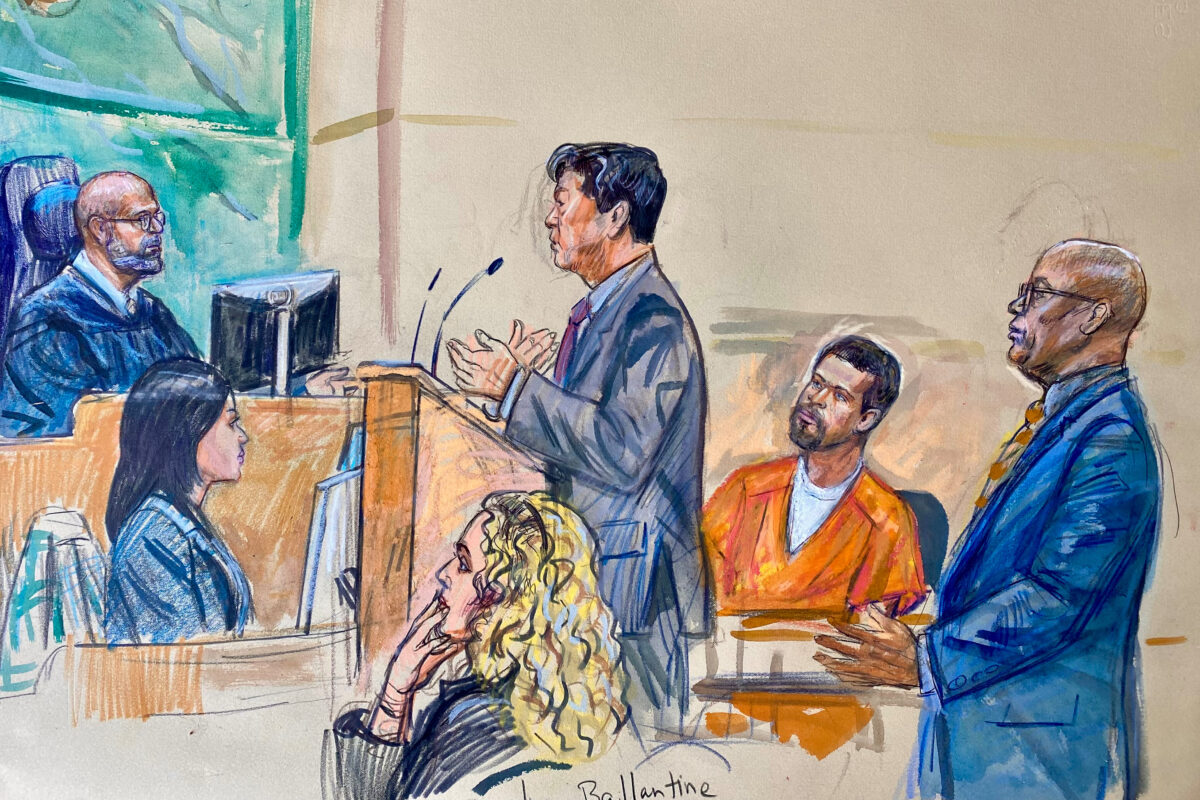
Allen was in court again Monday as Magistrate Judge Zia Faruqui grilled government lawyers about how he was being treated. Allen has been kept “in severe lockdown — including a temporary suicide watch that required 24-hour-a-day placement in a padded, lighted cell without access to phone calls, books, religious material or recreational time,” according to a report by Politico senior legal affairs reporter Kyle Cheney.
According to Cheney, the judge previously presided over “hundreds of cases” connected to the Jan. 6, 2021 attack on the U.S. Capitol, and directly compared how those defendants were treated to how Allen was being treated now. The judge commented that Allen’s situation “appeared to be unfairly punitive and not based on any known medical assessment,” wrote Cheney.
Faruqui openly questioned why Allen was being subjected to harsher treatment and highlighted how the Jan. 6 defendants had also faced “similar allegations of political violence aimed at members of Congress and government leaders,” wrote Cheney.
Allen was “being treated differently than anyone I’ve ever observed,” said Faruqui, especially in light of how “the Jan. 6 defendants were all moved to the CTF,” the Central Treatment Facility, a less restrictive wing of the jail, and were allowed multiple major accommodations including gluten-free or vegan diets and access to computer tablets.
The seriousness of the charges against Allen does not negate the presumption of innocence, the judge noted, especially since he has no prior criminal history.
According to Cheney, the judge “apologized to Allen, saying it was partly the court’s role to ensure that someone detained while awaiting trial was subjected to fair and dignified conditions,” and “ordered D.C. jail officials to update him by Tuesday morning on when and whether Allen would be moved into less restrictive conditions.”
Tony Towns, the general counsel representing the D.C. Department of Corrections, told the court that Allen’s housing arrangements were not intended to be punitive but were intended to protect his safety. Prosecutors argued that on the evening of his alleged shooting attempt, Allen had told FBI agents that he had not expected to survive, and that could reasonably lead jail officials to view him as a suicide risk. The judge rejected that argument, noting that the medical professionals who had assessed Allen did not thing he was a suicide risk and that he thought that comment was more about Allen expecting to get shot by authorities during his assassination attempt rather than an intention to commit suicide.
“He can be both kept safe and treated with dignity,” Faruqui responded. “Right now, it’s not working. I think it’s legally deficient and ultimately if the DOC can’t do it, I’ll speak to the US attorney’s office. I know they have other facilities they can contract with. If you all cannot handle it, we’re going to have to reassess that with the marshals and the Department of Justice.”
“If we can get someone vegan food, we can get you a bible,” he added.
New: The Mediaite One-Sheet "Newsletter of Newsletters"
Your daily summary and analysis of what the many, many media newsletters are saying and reporting. Subscribe now!









Comments
↓ Scroll down for comments ↓