Bloomberg Report Reveals How and Why a Crypto-Linked Company Made Clavicular Famous

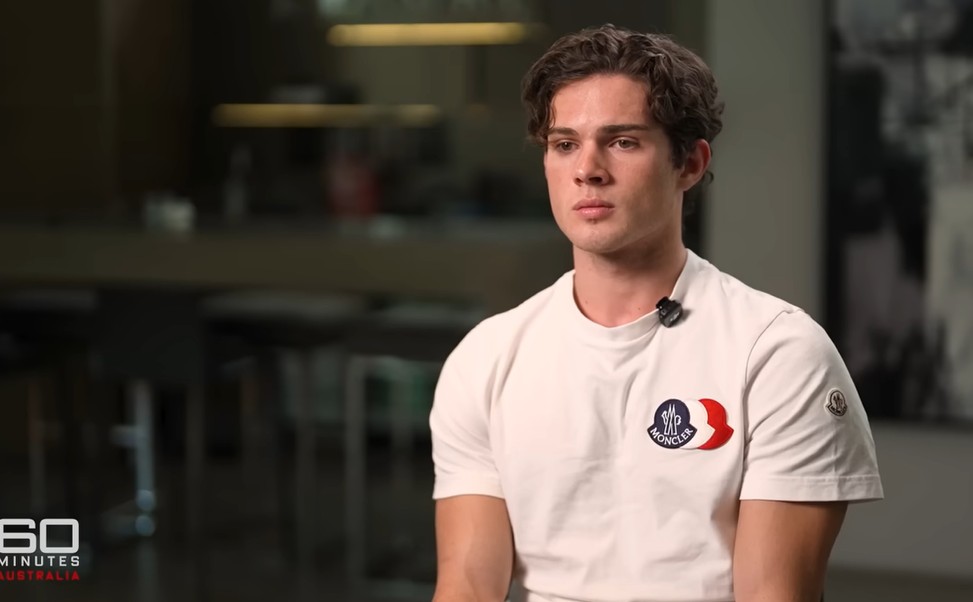
Screenshot via YouTube
Bloomberg video game reporter Cecilia D’Anastasio revealed this week how online influencer Clavicular, born Braden Eric Peters, shot to fame from relative obscurity in recent months.
Clavicular, 20 and a streamer on the gaming platform Kick, has been the subject of splashy profiles in recent weeks in major publications from the New York Times to The Atlantic to GQ, all focused around his highly controversial “looksmaxxing” ideology. Clavicular, whose online persona is closely tied to highly controversial far-right influencers like Nick Fuentes and Andrew Tate, has been steeped in controversy in recent months for promoting the use of steroids, drugs, and other extreme body-altering techniques in his clips, often aimed at young boys.
D’Anastasio dug into his reach, writing, “Between March and April, 70,000 clips of his content have been viewed 2.2 billion times across short-form video platforms like TikTok and Instagram Reels, according to data posted to X by a marketing firm he works with.” She added:
Clavicular amassed such fame without a large, dedicated following. Instead, his name rocketed to the top of social-media feeds due to modern marketing techniques bankrolled by Kick, the site where he is paid to livestream, according to an interview with Anthony Fujiwara, who runs a company, Clipping, that promotes Clavicular’s content online. Kick is a subsidiary of Australian media firm Easygo Entertainment, which owns the multi-billion-dollar offshore crypto casino Stake, which Clavicular promotes in his Kick livestreams.
Last week, YouTube banned two of Clavicular’s channels over what the company saw as his promotion of performance-enhancing drugs. Around the same time period, Clavicular was hospitalized after he appeared to overdose during a livestream at a Miami nightclub.
“The influencer reaches a wider audience than his follower counts suggest thanks to 1,600 Clipping contractors boosting video clips of his content, according to data posted to X by Clipping,” D’Anastasio noted in her deep-dive report, adding:
The contractors are paid by Clipping, which receives money from Kick, where Clavicular earns much of his income from filming himself for hundreds of hours every month, according to Fujiwara. Those contractors, called “clippers,” earn income plucking potentially viral moments from those long Kick livestreams and scattering them across social media.
Clipping is a new line of work tailored to changes in social media platforms that reward short videos online, and where anyone with the right clip can see traction with an audience.
Read the full report here.
New: The Mediaite One-Sheet "Newsletter of Newsletters"
Your daily summary and analysis of what the many, many media newsletters are saying and reporting. Subscribe now!







Comments
↓ Scroll down for comments ↓