
Instagram Head Stands By ‘Less than Perfect’ Metaphor Defending App: Just Like With Cars, There’s a Net Benefit Even Though ‘More People Die’

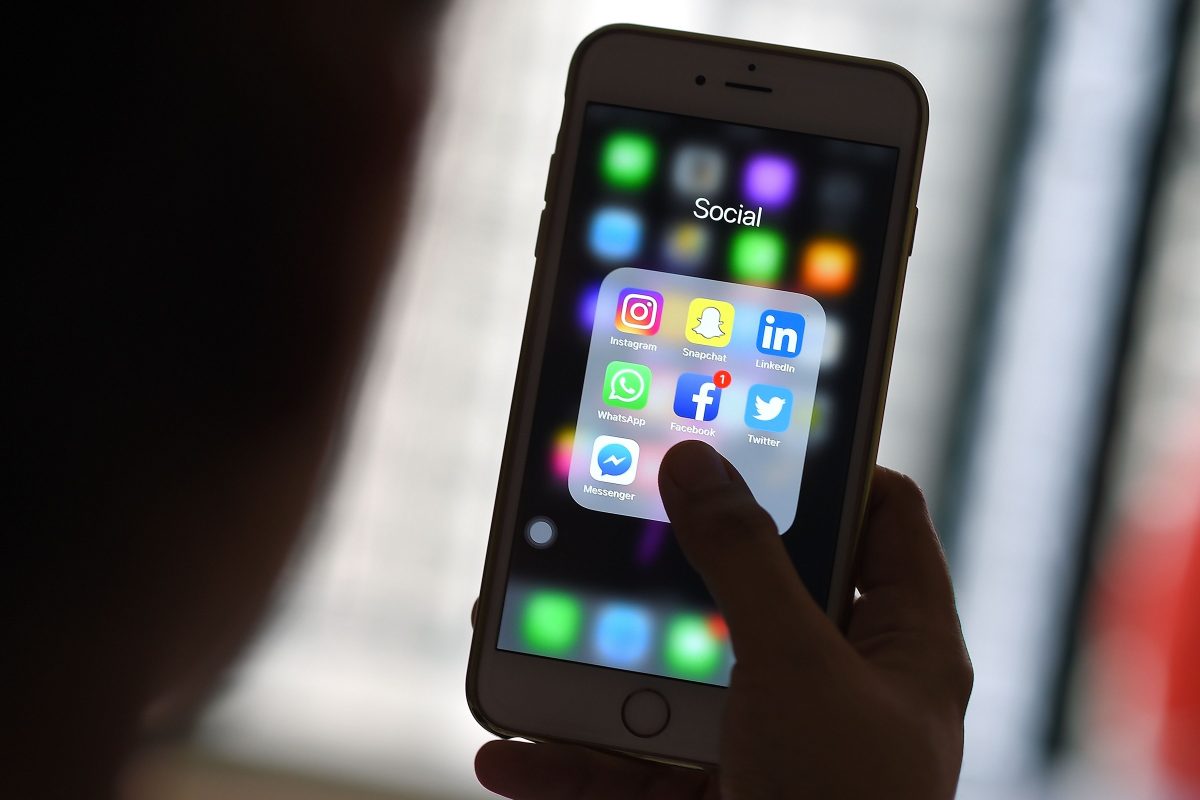
Photo by MANAN VATSYAYANA/AFP/Getty Images.
Modern public relations strategy is a minefield, especially when your company ends up in the headlines. Do you ignore critical articles or address the issue head on and risk spawning new, worse headlines?
In a podcast interview responding to reporting by the Wall Street Journal about Instagram’s detrimental effects on teenage girls, company head Adam Mosseri caused a stir online when he compared social media to automobiles, and suggested in a way that many found coldhearted that a certain amount of destruction was just the price to be paid.
The explosive revelations in the WSJ article included internal reports at Facebook (Instagram’s parent company) showing that they were aware of their app’s negative psychological effects, including “mak[ing] body image issues worse for one in three teen girls” and “teens blam[ing] Instagram for increases in the rate of anxiety and depression.”
Recode Media’s Peter Kafka asked Mosseri about the WSJ report, and about what Instagram was doing to improve their app regarding this issue.
Mosseri’s comments about cars and social media appear at roughly the 9:30 mark. Kafka asked him if they should consider “restricting it or taking the product off the market” if the research shows social media apps like Instagram to be harmful, like cigarettes. Mosseri bristled at that suggestion, saying that drugs and cigarettes didn’t have any useful or helpful purposes, and then made the car comparison.
I think that anything that is used at scale is going to have positive and negative outcomes. Cars have positive and negative outcomes. We understand that, we know that more people die than would otherwise because of car accidents, but by and large, cars create way more value in the world than they destroy. And I think social media is similar.
Instagram, Mosseri continued, had done “a ton to help people connect with those they love,” to advance social causes like #MeToo and Black Lives Matter, to promote small businesses, and to give “voice to those who have been historically marginalized.”
“There’s a ton of value that we create, but yes, of course, there are also issues as well,” he said, because “connecting people has positive and negative outcomes.”
“Adam Mosseri isn’t doing Facebook any favors,” wrote Mashable’s Jack Morse with a reaction that was typical among other critics online. “In the interview with host Peter Kafka, Mosseri attempted to defend the negative effects his platform has on its users by comparing social media to cars. The gist of his argument? Some people are just going to get run over, and that’s the price we all pay.”
The comparison to deadly car accidents “may have been a little too on the nose,” Morse wrote, noting that the WSJ reported that Facebook’s own research showed that “[a]mong teens who reported suicidal thoughts, 13% of British users and 6% of American users traced the desire to kill themselves to Instagram.”
Mosseri defended his comments on Twitter, criticizing the reporters who were “dunking” on his “admittedly less than perfect” metaphor, saying that they “clearly didn’t listen to the pod,” and that he and Kafka had discussed the “obvious next question about regulation.”
The number of reporters dunking on this, admittedly less than perfect, analogy on Twitter who clearly didn’t listen to the pod, where @pkafka makes sure we cover the obvious next question about regulation, is remarkable. https://t.co/enfpGiUrGV
— Adam Mosseri ? (@mosseri) September 16, 2021
Well, this writer did listen to the pod, including the discussion about regulation. And it’s just a theory, but the root of the harsh reaction to Mosseri’s comments may come from the unemotional tone of his voice. For a parent concerned about their teenage daughter’s mental health, casually shrugging about how some people are just going to die in car accidents is of no comfort.
One of the major criticisms of the behemoth social media companies is that they are raking in the profits while viewing their user base as just mere data points and targets for advertising, not as human beings. Whether regulating these social media companies is an infringement on free speech, and what regulations might actually be helpful, has been a vociferously debated topic in recent years. Hearing the head of Instagram so matter-of-factly say that you gotta break some eggs to make an omelet is only going to encourage those calling for tighter restrictions on social media companies.
Here’s the rest of the relevant conversation. Immediately after Mosseri’s comments quoted above about how “connecting people has positive and negative outcomes,” Kafka asked him again about the car metaphor, specifically how there had been a lot of government regulation of automobiles over the years — seatbelts, air bags, etc. — asking if we “need that level of government intervention and regulation with social media?”
“I think regulation is needed,” replied Mosseri. “We’ve been pretty public about that.”
The current laws and regulation on social media, though, were a “very light touch” in the U.S., Kafka pointed out.
Mosseri advocated for “industry-wide solutions,” not just country-specific, and spoke about elections interference and hate speech issues.
However, he argued, “we think you have to be careful, because regulation can cause more problems.”
Kafka pressed Mosseri on Instagram’s effects on teenage girls, asking if the company might have a “blind spot” because they didn’t have enough people in leadership who were parents to teenage girls and understood the issue personally.
“I don’t think so,” he replied saying that the WSJ article “really missing the point” that Instagram cared enough to “try to invest in research” on this issue, and said that their friends their age had grown up looking at fashion magazines and their unrealistic images.
Listen above, via Recode Media.
New: The Mediaite One-Sheet "Newsletter of Newsletters"
Your daily summary and analysis of what the many, many media newsletters are saying and reporting. Subscribe now!








Comments
↓ Scroll down for comments ↓