Oxford Scientists Claim Coronavirus Vaccine Successfully Produces Antibodies

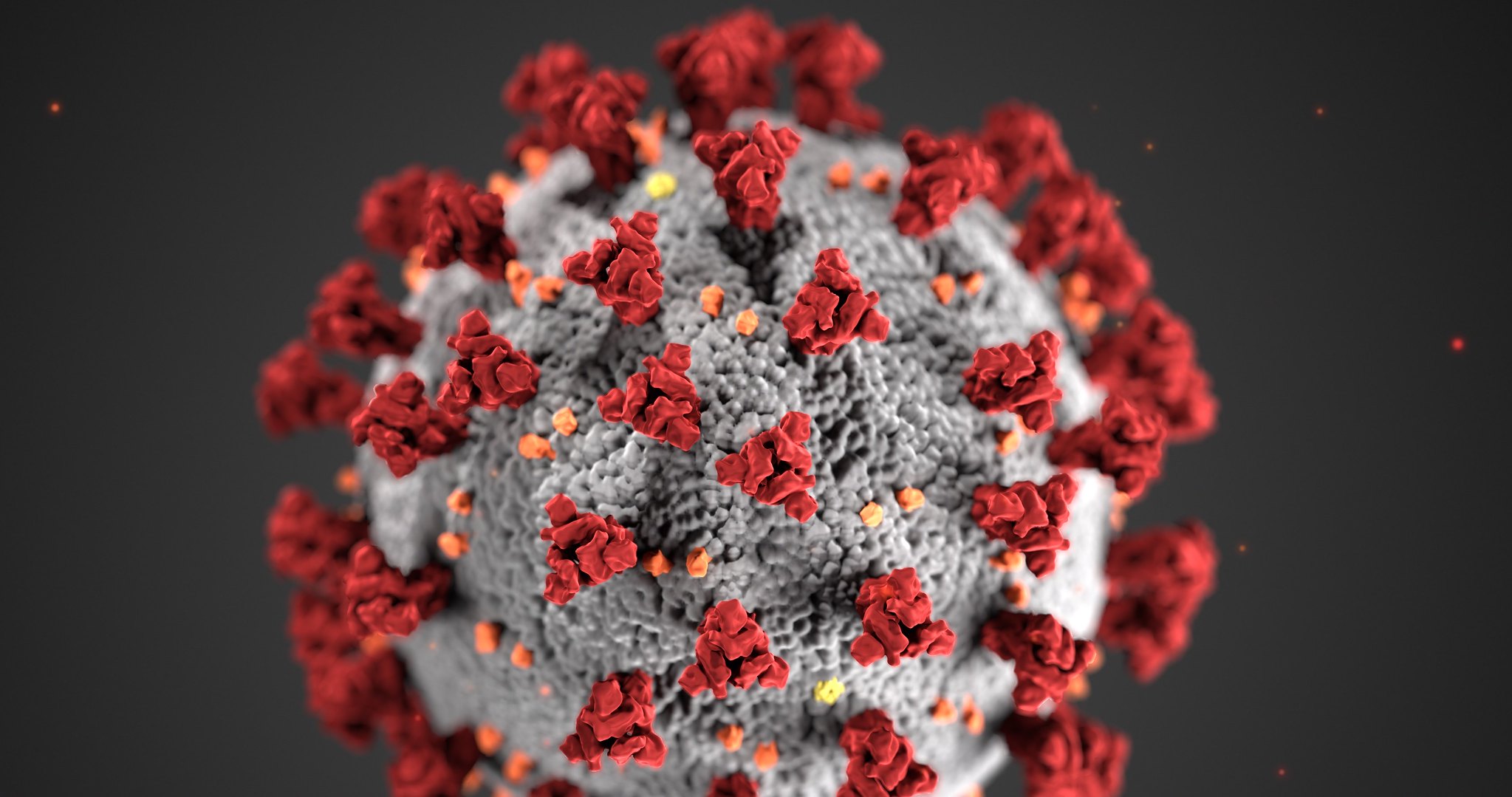
Oxford University scientists have claimed that an early trial of a potential coronavirus vaccine has prompted an immune response in hundreds of people.
“We are seeing good immune response in almost everybody,” Dr. Adrian Hill, director of the Jenner Institute at Oxford University, told London AP. “What this vaccine does particularly well is trigger both arms of the immune system.”
The dual immune response in those years 18-55 lasted at least two months after the experimental vaccine was distributed, according to research published in the Lancet journal.
The initial trial included testing the potential vaccine on 1,000 people, and later experiments will involve 10,000 people, while one in the U.S. will test on 30,000.
“There’s increasing evidence that having a T-cell response as well as antibodies could be very important in controlling COVID-19,” Hill said, adding that the vaccine produced a similar amount of antibodies as those who have recovered from the coronavirus.
A T-cell response, in addition to the antibodies produced by the vaccine, is thought to provide an extra layer of protection and is meant to both reduce the disease as well as transmission.
“There was a hope that if we had a vaccine quickly enough, we could put out the pandemic,” Hill said, wary of the growing number of cases. “I think it’s going to be very difficult to control this pandemic without a vaccine.”
Drugmaker AstraZeneca has pledged to provide 2 billion doses, but Hill claimed that it might not be enough considering several countries, including the U.S. Germany, France, the Netherlands, Italy, and the United Kingdom have each signed deals for hundreds of millions of doses.
New: The Mediaite One-Sheet "Newsletter of Newsletters"
Your daily summary and analysis of what the many, many media newsletters are saying and reporting. Subscribe now!








Comments
↓ Scroll down for comments ↓