
Epstein Files: NPR Finds 53 Missing ‘Trump’ Pages — the DOJ Has No Explanation

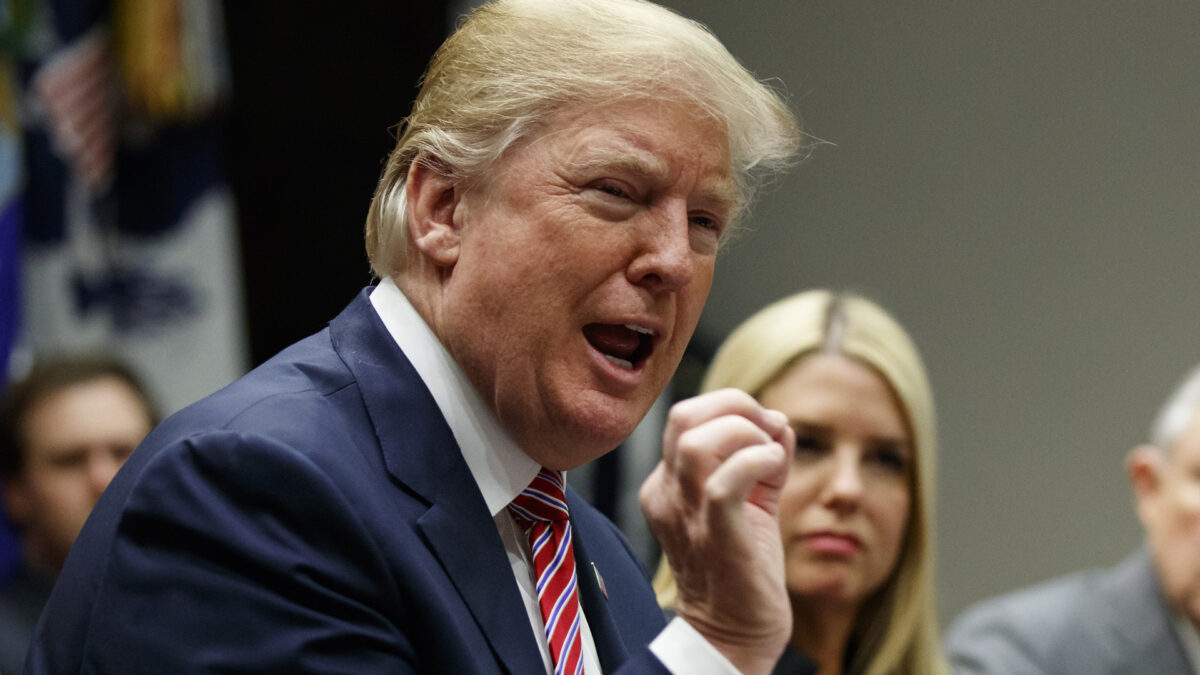
(AP Photo/Evan Vucci)
In the miasma of Epstein Files outrage and quite reasonable allegations, you may have missed the latest reporting from NPR: At least 53 pages of FBI interview summaries and notes appear to exist in the Epstein files but are not in the public database.
Is this a bombshell? Given the murkiness surrounding how these allegations were vetted before being dumped into the public record, it’s impossible to say. That uncertainty is the story. The confusion enveloping this massive release is beginning to resemble concealment, inviting the cynical view that it’s strategic — or, more plausibly, evidence of plain incompetence.
On Tuesday morning, NPR published a stunning report on serial numbers and discovery logs that do not line up with what the Justice Department has posted online. Some of the missing materials relate to allegations involving President Donald Trump. The department declined to explain the discrepancies.
Congress ordered the release of these files. The DOJ controls the archive. Reporters compare internal catalog numbers to public postings and find gaps. The department offers assurances but no reconciliation of the record.
The allegations are grave — they involve claims of sexual abuse of minors — and they remain unproven. FBI case files contain interviews and leads that do not automatically translate into charges. That distinction matters, and it makes the integrity of the release process more important, not less.
The Epstein rollout has been ragged from the start. Victim names were exposed and then corrected. Documents were pulled down and reposted. Privacy reviews were cited. Deadlines were blamed. Now the public learns that dozens of pages reflected in official logs are not available for review. Even if each decision has an internal explanation, the outward picture is disorder in the execution of a congressionally mandated transparency law.
Disorder produces the same practical result as concealment. The public cannot tell what is complete, what is withheld, and why. The record becomes contestable. Accountability drifts.
Last week, I argued that the Epstein file rollout carried the feel of a cover-up because the public was being asked to trust a process it could not independently verify. NPR’s reporting moves that concern from instinct to documentation. When internal logs point to pages the public cannot see, the question stops being rhetorical and becomes procedural.
There is also a political fact that cannot be ignored: This is very clearly Donald Trump’s Justice Department. Attorney General Pam Bondi and Deputy Attorney General Todd Blanche serve at his pleasure. The release process that now appears to shield him from clarity is being overseen by officials loyal to him. That reality demands a level of precision and documentation that leaves no room for doubt.
Bondi and Blanche have insisted that nothing was withheld for political sensitivity. That is a categorical statement. It sits uneasily beside a document trail that outside reporters say does not match the public archive.
Either the 53 pages fall within the scope of the transparency law, or they do not. Either they are being withheld under a specific statutory exemption or they are missing because the department has not maintained firm control over its own rollout. In either case, the responsibility rests with the same leadership that has publicly vouched for the integrity of the process.
An intentional cover-up implies discipline and coordination. What this episode suggests is something more basic and more damaging: a department executing a historic disclosure so unevenly that it undermines its own credibility.
The NPR report matters because it anchors suspicion in something concrete. Fifty-three pages is not a partisan talking point. It is a number drawn from the department’s own paper trail. The public deserves to know where those pages are and under what authority they are being kept from view.
Until the DOJ provides a clear, documented reconciliation of the record, the distinction between chaos and concealment will remain academic. When the mechanics of transparency break down, the effect is the same. The truth stays out of reach.
This is an opinion piece. The views expressed in this article are those of just the author.
New: The Mediaite One-Sheet "Newsletter of Newsletters"
Your daily summary and analysis of what the many, many media newsletters are saying and reporting. Subscribe now!









Comments
↓ Scroll down for comments ↓