Media: Let’s Not Make Mental Issues a Centerpiece of Election Coverage

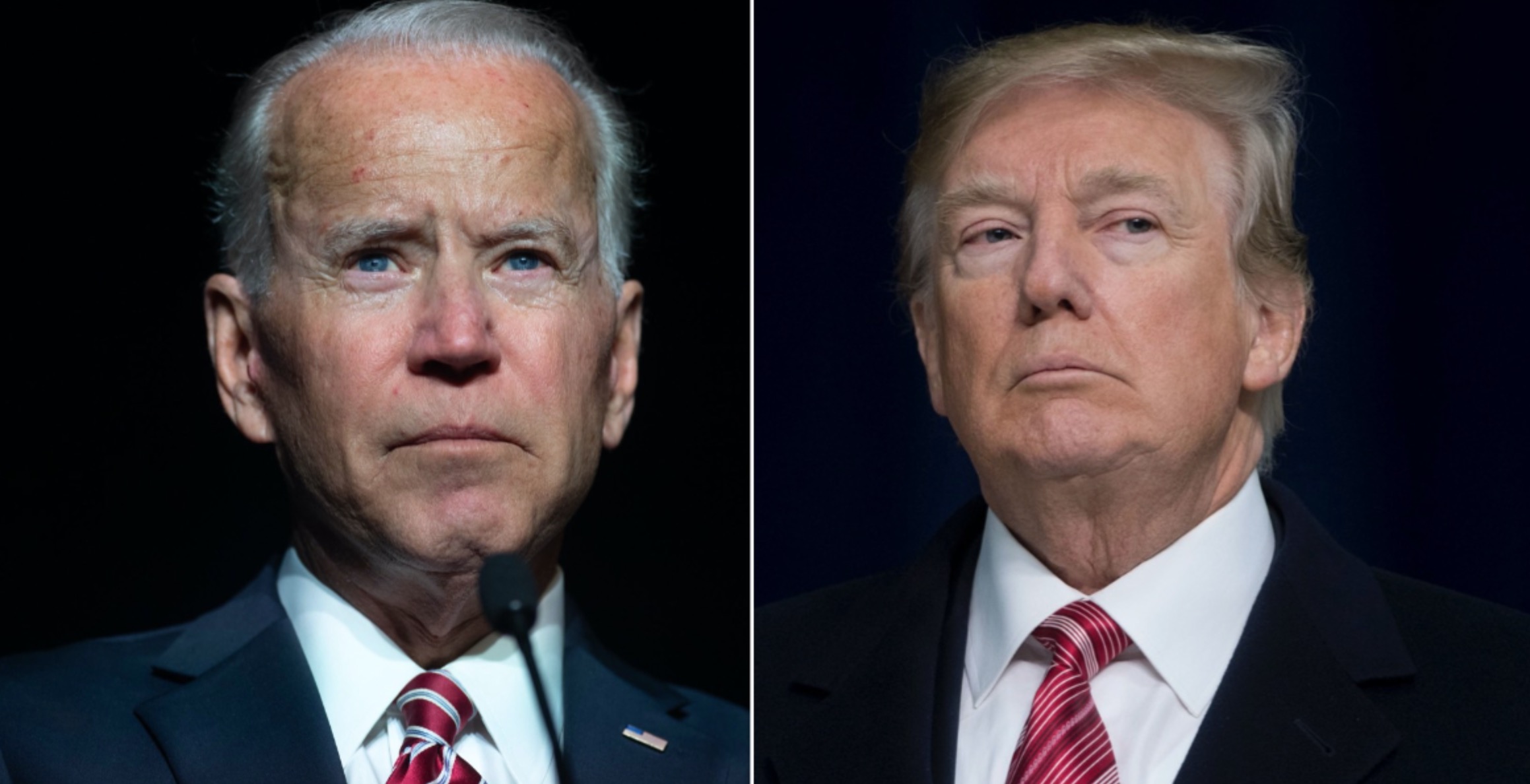
Saul Loeb/Getty Images.
This piece originally appeared in the Fourth Watch newsletter. Subscribe here.
It was a moment from President Donald Trump — on Fox News last night in an interview with Dr. Marc Siegel — that, as you watched, you just knew would become one of the more memorable of the 2020 election cycle. Describing the cognitive test he took several years ago, he talked about a question that required remembering five items in order. “Person, woman, man, camera, TV,” he said, giving the example — then repeating it several more times. It was mesmerizing TV.
Twitter had a field day, and so did cable news, using it as a jumping off point to say how, actually, the test is super easy so President Trump’s mental fitness is actually an open question. That line of commentary has already backfired, as some hosts had trouble with the more basic questions from the test.
And then there was Erin Burnett Thursday night, who had on Dr. Ziad Nasreddine, the doctor who created the cognitive test Trump took. Burnett teed it up, expecting Nasreddine to say that the test was easy unless you were suffering from early onset Alzheimer’s or something like it. But that was not what he said. He described the whole test as “somewhat hard” for “normal” people, saying that only 10% of those who take it get all questions correct (which is what Trump says he did). He also said the specific “5-word recall question” (our “person, woman, man” example) is one of the hardest questions, with the average respondent getting just 3.7 correct in order.
Erin Burnett has had a long journey to her current anti-Trump status from when she was sitting next to Donald Trump as a guest judge on The Celebrity Apprentice.
But all of this is not to say we need to start making cognitive tests and IQ tests and personality tests a major component of our 2020 election coverage. In fact, I would urge the media to do just the opposite.
We have seen the media irresponsibly make mental fitness an issue during the Trump presidency — particularly recently with coverage of Trump’s niece, Mary Trump’s armchair psychology in her book. It has happened on the other side too. There has been constant questioning from certain media elements of Joe Biden about “cognitive decline.” Clips circulate from the Trump campaign of Biden seeming confused for moments, or losing his train of thought. Right-wing media has covered the mental health of Joe Biden as a regular feature. That shouldn’t happen either.
Plus, in the case of Biden, it’s a strategic mistake. Look at this clip from Biden this week, saying Americans can’t make a distinction “between a South Korean and someone from Beijing.” Or his infamous “you ain’t black” comment. Assigning these offensive comments to “cognitive decline” diminishes the fact that a lucid presidential candidate is saying this completely outrageous comment.
(Let me pause here to show what the Democrats future is, with a powerful, personal and authentic speech from Alexandria Ocasio-Cortez today in response to a GOP congressman’s verbal assault, and even worse, pathetic apology.)
Joe Biden and Donald Trump are both old. But the media should not be making mental illness a campaign issue, on either side. As anyone who has had first-hand experience in dealing with mental illness for a close friend or family member knows, it is not something anyone should be cavalier about.
Person, woman, man, camera, TV. It’s all fun, I guess. But there’s more than enough for the media to critique each of the general election candidates about without trying to diagnose them with a disorder.
This is an opinion piece. The views expressed in this article are those of just the author.
New: The Mediaite One-Sheet "Newsletter of Newsletters"
Your daily summary and analysis of what the many, many media newsletters are saying and reporting. Subscribe now!






Comments
↓ Scroll down for comments ↓