
Skydance and Paramount Just Taught Media Companies How to Kneel to Power

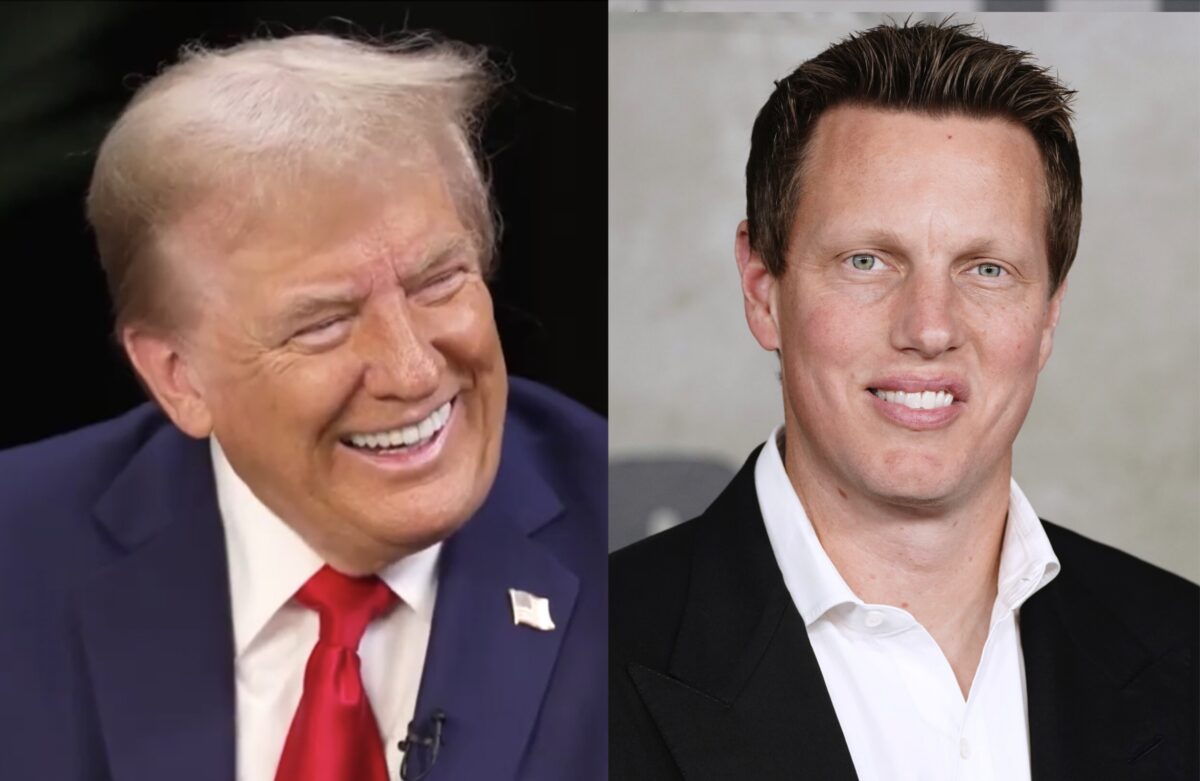
Let’s be clear: the Skydance–Paramount merger may make strategic sense on paper. But beneath the billion-dollar headlines lies something far more corrosive. In their desperate bid to secure FCC approval from the Trump administration, Paramount and its crown jewel, CBS, didn’t just sell their assets. They sold their principles.
The recent revelations about behind-the-scenes negotiations are as troubling as they are clarifying. Paramount reportedly agreed to conditions that read less like regulatory compromises and more like a loyalty pledge to President Donald Trump.
Among the most stunning? The appointment of a government-approved “editorial ombudsman” to monitor political content at CBS News. This, paired with the dismantling of the company’s longstanding diversity, equity, and inclusion (DEI) programs, was framed as part of a “neutrality initiative.” But we know exactly what that means: bending the knee.
It would be bad enough if that were the extent of it. But recent moves at CBS suggest an even broader campaign to appease Trump — not just in policy, but in symbolism and ego management.
Take the recent firing of Late Show host Stephen Colbert. Officially described as a “creative transition,” the move came just weeks after private discussions between CBS executives and the Trump-aligned FCC. Colbert, a consistent and often blistering critic of Trump, had long been a thorn in the side of the former president.
His abrupt dismissal — after delivering years of best-in-class ratings and late-night dominance — looks less like a pivot and more like a sacrifice. A signal. A televised offering to soothe Trump’s famously fragile ego.
Then there’s the CBS News settlement with the Trump campaign over allegedly “unfair coverage” during the 2024 election cycle. As part of the terms, CBS reportedly offered preferred advertising inventory to Trump’s re-election team at discounted rates for the 2025 cycle. In short: The same news division once lauded for its independence just handed the presumptive GOP nominee a sweetheart media deal. This isn’t balance. It’s fealty.
Let’s not mince words — this is institutional surrender.
CBS, once home to Edward R. Murrow and Walter Cronkite, has now become a cautionary tale. A media organization so desperate to close a merger that it gutted its newsroom’s autonomy, disbanded its inclusion programs, fired one of its most politically potent voices, and cut favorable deals with a political campaign. All to win the favor of a regulatory body steered by a president known less for policy than for personal vendettas.
It’s also essential to recognize whose bank account was swelling as CBS’s journalistic independence shrank. Shari Redstone, the controlling shareholder via National Amusements, is projected to receive over $530 million from the deal — about $350 million in cash for her stake, a $70 million severance package, and additional benefits totaling roughly $110 million in pension and related liabilities.
That figure dramatically reshapes the narrative: CBS’s leadership didn’t merely negotiate; they opted for a massive personal payday.
These high-stakes compromises — firing dissenting voices, disbanding DEI programs, and settling lawsuits — weren’t corporate misjudgments. They were lucrative strategic moves for the person calling the shots.
The signal this sends to other media companies is chilling: If you want to grow, you better play ball. You better cancel the critics, cancel the culture programs, and keep your news desk quiet. You better feed the algorithm, flatter the ego, and clear the runway for whatever ideology happens to be in power.
This merger could have marked a turning point — a savvy content studio breathing life into a legacy brand. Instead, it now bears the stench of political compromise. Skydance may yet innovate its way out of this cloud, but it will do so under the long shadow of a deal that tells future media executives: “Compliance wins.”
We are no longer just debating bias or tone or balance in media. We are now seeing a new model emerge: one where corporate mergers become moments of political leverage, and where the cost of expansion is newsroom subservience.
CBS and Paramount have created a new blueprint—not for growth, but for submission. And in doing so, they’ve done more than damage their own reputations. They’ve normalized a future where speaking truth to power becomes an optional feature, not a defining principle.
And the worst part? It worked.
This is an opinion piece. The views expressed in this article are those of just the author.
New: The Mediaite One-Sheet "Newsletter of Newsletters"
Your daily summary and analysis of what the many, many media newsletters are saying and reporting. Subscribe now!









Comments
↓ Scroll down for comments ↓