How Viral Media Coverage of High-Profile Texas Car Wrecks Influences Jury Verdicts and Insurance Settlements in Arlington

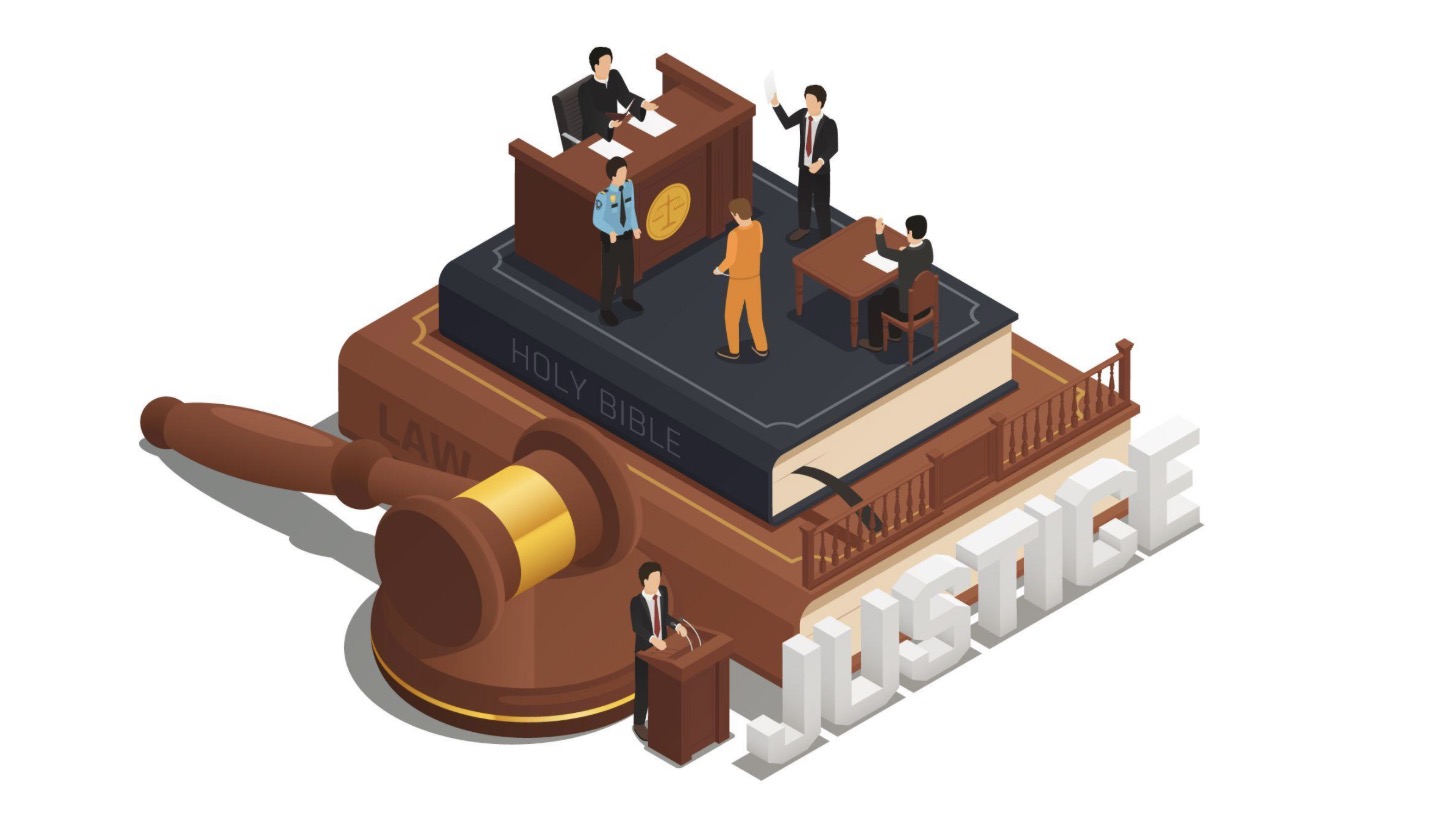
A serious car wreck in Texas used to be a local story. The police report, the local news clip, the courtroom proceedings all played out in a contained information environment that lawyers and insurance carriers understood. That world is gone. A single dashcam video from a Houston intersection can rack up ten million views in 48 hours.
A Tesla autopilot crash in Austin can become a national talking point before the tow truck arrives. In Arlington and across the DFW metroplex, the social media life cycle of a car wreck now influences how juries decide cases and how insurance carriers value settlements.
For drivers involved in a serious crash, understanding that dynamic is part of protecting their own interests.
How Viral Coverage Reshapes the Jury Pool
Decades of jury research have established that pretrial publicity affects how jurors evaluate evidence. The U.S. courts have long required voir dire processes to identify and exclude jurors with disqualifying exposure to media coverage. What is new is the scale and speed of that exposure. A high-profile Texas crash now reaches potential jurors through TikTok, X, Instagram Reels, YouTube, and Reddit, often before the police investigation is complete.
The result is a jury pool that arrives at trial with strong, often incomplete, narratives already in mind. A viral clip showing a pickup truck running a red light in the seconds before impact creates one narrative. A clip of the same crash that starts a few seconds later creates a different narrative. Both clips might be technically accurate. Neither is complete. Jurors who saw one and not the other arrive at trial with different starting assumptions.
The Pew Research Center has documented how Americans now consume news, with social platforms surpassing traditional outlets as the primary source for many adults. That shift matters in court. Defense and plaintiff attorneys in Tarrant County now routinely conduct social media research on prospective jurors during voir dire to understand what coverage they have likely seen.
How Carriers Adjust to Viral Cases
Insurance carriers track media coverage of crashes in real time. When a case is generating significant social media attention, the carrier’s reserve calculations, settlement authority, and litigation strategy all shift. The shift can run in either direction.
When viral coverage is unfavorable to the carrier’s insured, the case typically resolves faster. Carriers prefer to settle high-attention cases before they reach a jury that will have seen the worst of the coverage. Settlement offers in those cases often come in higher and earlier than they would in a comparable case that never went viral.
When viral coverage is favorable to the carrier, the dynamic reverses. Carriers become more willing to litigate, betting that a jury exposed to coverage suggesting plaintiff misconduct, exaggeration, or contributory fault will return a defense verdict or a reduced award.
Coverage from outlets including the Dallas Morning News has documented how high-profile incidents now generate parallel conversations across legal commentary, mainstream news, and social platforms, each affecting the others in ways that filter back into the courtroom.
Real Texas Cases and the Viral Effect
Several patterns recur in Texas cases that have generated significant media attention.
Truck and rideshare crashes. The presence of large insurance policies, identifiable corporate defendants, and public interest in commercial transportation safety makes truck crashes a magnet for viral coverage. Plaintiffs in cases against Walmart, FedEx, Amazon delivery contractors, and rideshare companies have sometimes benefited from media attention that frames the corporate defendant as systemically reckless.
Police chase and DUI crashes. When a chase or impaired driver causes a multi-vehicle wreck, coverage focuses on the at-fault driver. Plaintiffs typically benefit, since liability is rarely in dispute.
Cases with cell phone or distracted driving evidence. When dashcam or surveillance footage captures the at-fault driver looking at a phone, the case becomes far more difficult to defend. Carriers tend to settle these earlier and at higher values.
Cases involving celebrities or public figures. When a public figure is involved in a crash, even as a witness or third party, the media attention transforms the case. Privacy considerations, reputation management, and the public’s appetite for celebrity coverage all enter the dynamic.
For an experienced perspective on these cases, an Arlington car accident lawyer at The Texas Law Dog handles motor vehicle collisions across the DFW metroplex, including cases that have generated significant media attention and cases where viral coverage of similar incidents shapes carrier behavior.
What This Means for Drivers Involved in Crashes
For Arlington drivers in serious crashes, the media dimension creates practical considerations that did not exist a generation ago.
Be deliberate about your own social media. Anything posted in the hours, days, and weeks after a crash can be discovered, screenshot, and used at trial. Public statements about the crash, photos at locations inconsistent with claimed injuries, and emotional vents about the other driver all become part of the case file.
Do not engage with viral coverage. If a crash you were involved in begins trending, the impulse to correct misinformation or respond is understandable but counterproductive. Any statement becomes evidence.
Preserve adverse coverage. If the social media response is unfavorable to the other driver, screenshots and archived links can become part of the discovery record.
Talk to a lawyer before talking to media. Local TV stations, podcasters, and YouTube creators may reach out for interviews. Statements given without preparation can affect the case in ways that are difficult to undo.
The Bigger Picture
The viral media dimension of car crash litigation is not going away. If anything, it is accelerating as platforms become more capable, video sources proliferate, and AI tools make it easier to clip, caption, and amplify content. For Texas drivers, that means the minutes after a serious crash now include a layer of strategic decisions that older generations of lawyers never had to consider. Working with counsel who understands how the media environment intersects with the courtroom is part of how individual cases protect themselves against the broader dynamics in play.
Members of the editorial and news staff of Mediaite were not involved in the creation of this content.
New: The Mediaite One-Sheet "Newsletter of Newsletters"
Your daily summary and analysis of what the many, many media newsletters are saying and reporting. Subscribe now!



Comments
↓ Scroll down for comments ↓