
Mitt Romney Urges Higher Taxes on the Rich, Warns U.S. Is ‘Headed for a Cliff’

Michael Brochstein/Sipa USA via AP Images
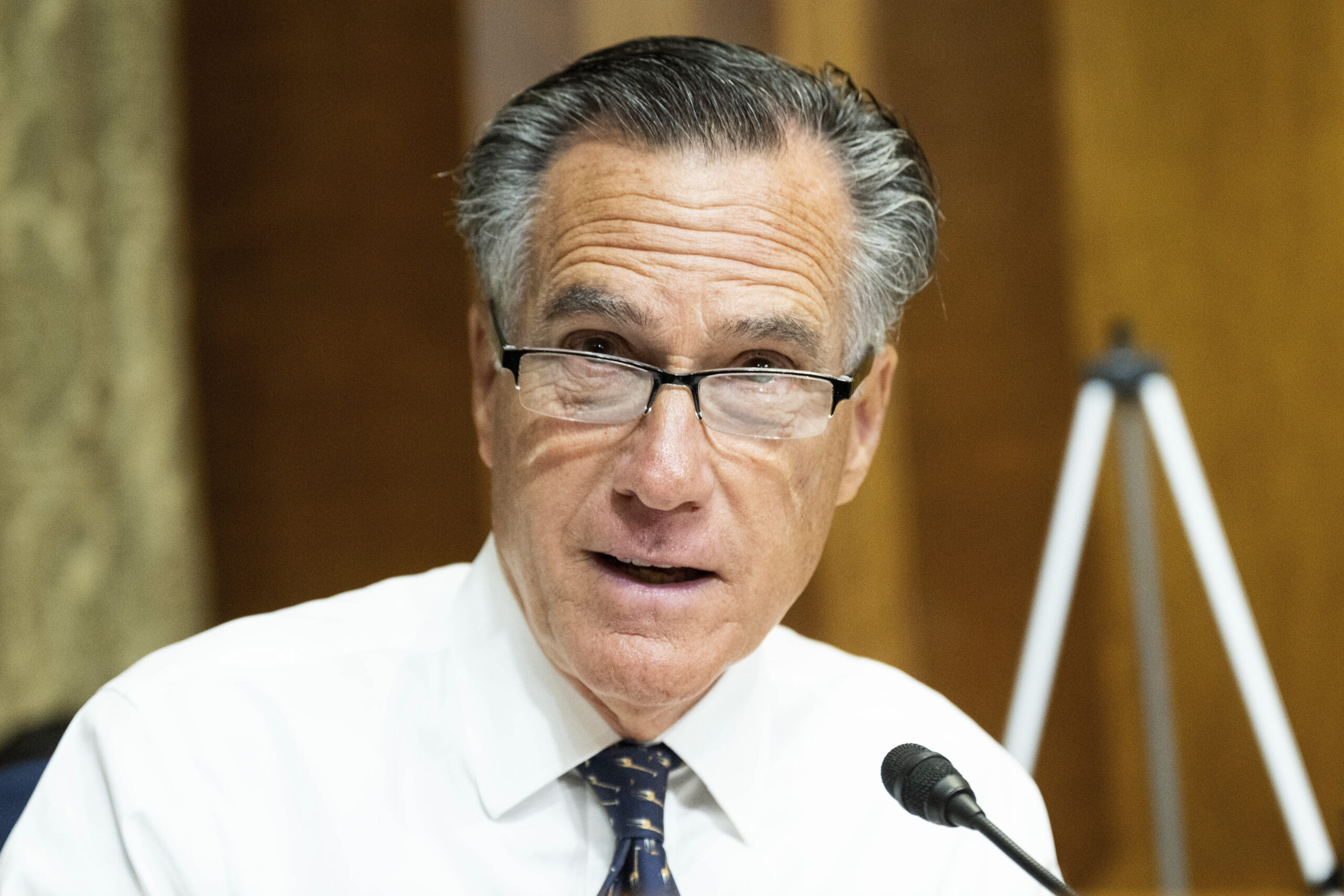
Former Republican presidential nominee and Utah senator Mitt Romney called for higher taxes on the rich, including himself, in a New York Times guest essay published Friday, warning that the U.S. is barreling toward a fiscal crisis if major changes are not made to entitlement programs and the tax code.
In the piece, Romney argues that the projected bankruptcy of the Social Security Trust Fund by 2034 represents an urgent economic threat.
“Today, all of us, including our grandmas, truly are headed for a cliff,” he wrote, noting that if the trust fund runs out, benefits would be cut by about 23 percent.
Romney said neither party’s traditional approach — Democrats emphasizing taxes and Republicans focusing on spending cuts — is sufficient given the scale of the problem. “Given the magnitude of our national debt as well as the proximity of the cliff, both are necessary,” he wrote, noting that President Donald Trump and SpaceX CEO Elon Musk’s DOGE “failed spectacularly.”
On spending, Romney argued that entitlement reform is unavoidable, proposing means-testing for future retirees and tying eligibility ages to life expectancy, while explicitly rejecting benefit cuts for current or near retirees.
But he devoted most of his attention to the tax side of the equation, arguing that “on the tax front, it’s time for rich people like me to pay more.” He criticized what he described as massive tax advantages for ultra-wealthy individuals, dismissing the term “loopholes” as inadequate.
“The term ‘loopholes’ grossly understates their scale,” he wrote, adding that “‘caverns’ or ‘caves’ would be more fitting,” submitted Romney.
Romney pointed in particular to the “step-up in basis” provision for capital gains at death, which allows heirs of enormous estates to avoid paying taxes on decades of gains. While acknowledging the rule’s intent to help “families keep their family farms,” he argued it’s being grossly misused to avoid taxation and should be closed for mega-estates.
Failure to act, he warned, risks deepening economic instability and public anger, as “unemployed college graduates see tax advantaged multibillionaires sailing 300-foot yachts.”
New: The Mediaite One-Sheet "Newsletter of Newsletters"
Your daily summary and analysis of what the many, many media newsletters are saying and reporting. Subscribe now!








Comments
↓ Scroll down for comments ↓