The Journalism of 9/11

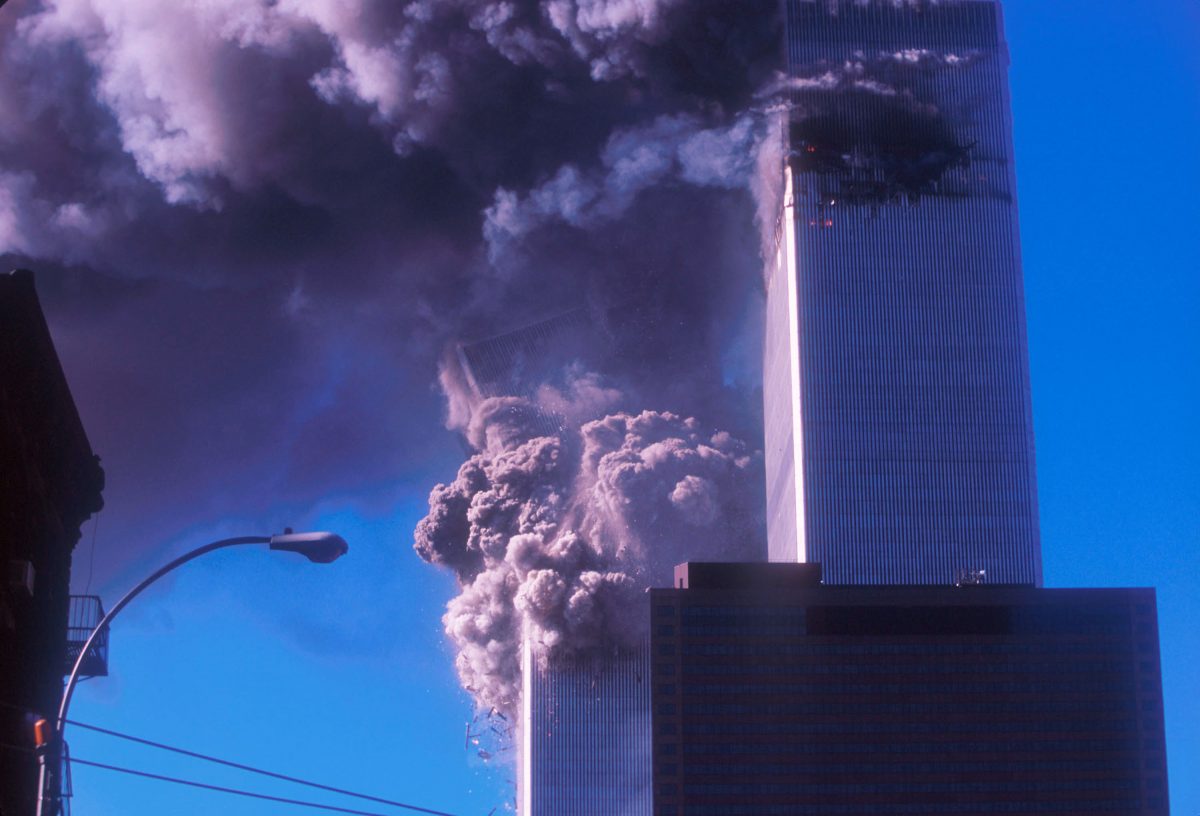
9/11. It has been seventeen years since 17 minutes changed the world. That was the amount of time that elapsed between American Airlines Flight 11 being flown into the North Tower of the World Trade Center in New York City, and United Airlines Flight 175 being flown into the South Tower. Seventeen.
The other numbers are just as indelible. After the second plane struck, thirty-four more minutes elapsed before American Airlines Flight 77 was crashed into the Pentagon. Then twenty-two more minutes. The South Tower collapsed. Four more minutes. United Airlines Flight 93 was crashed into a field in Pennsylvania. Twenty-five more minutes.
One hundred and two minutes after the first plane struck, the North Tower collapsed. The World Trade Center towers were gone. A lot was gone.
Those minutes, the heartbreaking days, all turned into weeks and months. Years. Children grew up. A new building grew up. Like any history, this is marked not just by remembrances, monuments, ceremonies, and tears. It also marked by the chronicles of all those minutes. The story of the seventeen spent in transition from the regularity of daily life to the understanding that we were under attack. The next thirty-four, in confusion and shock. The passengers who fought to the death for their own lives, and saved hundreds of others.
There are too many stories from that day. They number hundreds more than the minutes elapsed, but speak for them. Some believe that retelling, re-hearing, reliving those moments is maudlin or, worse, indulgent.
I disagree. These remembrances are important and appropriate. Over time, of course, they will fade. Eventually historic merely becomes history. But that’s not today. It’s just seventeen years after seventeen minutes changed everything about the world, and that’s too soon to say “let the past rest.”
The terrible privilege of telling the stories of tragic events is one of the more important jobs of media and journalism. Some rise to that task more ably than others, and here are a few such examples.
“Where I Was on September 11” by Dan McLaughlin
Dan McLaughlin of National Review worked on the 54th floor of One World Trade Center in 2001. On September 11th, he was not at his desk at the usual time. He was late for work, because he’d stopped to vote. That normal American act changed his fate on that day. His account of the events, as they occurred and put down on paper just two days after the attacks, is something I read every year when he posted it at RedState, and it is re-published today at National Review, here.
“The Falling Man” by Tom Junod
“The Falling Man” by Tom Junod published at Esquire in 2016, is a magnificent piece of writing, and a remarkable, terrible, story. The horror and fascination, rejection and pain, enlightenment and sorrow that came along with the photographs of men and women plummeting from the towers is something impossible to forget, though many have tried. The photographs remain tough to view, and the subject matter controversial still. Which is precisely the point of this written journey. It’s an article you have to face, not just read, and in doing so, face so much more. Save time, then read here.
New Yorker essay by Susan Sontag
Just a matter of days passed between minutes of 9/11 and the commentary, now infamous, written by Susan Sontag for the New Yorker. It is best here to let her words speak for themselves. “Where is the acknowledgment that this was not a ‘cowardly’ attack on ‘civilization’ or ‘liberty’ or ‘humanity’ or ‘the free world’,” she wrote as ashes still drifted in the wind. “But an attack on the world’s self-proclaimed superpower, undertaken as a consequence of specific American alliances and actions?” It’s a notable, controversial contribution. Like “The Falling Man”, tough to read, but for very different reasons. You can find it here (scroll down to the words “monstrous dose of reality”), still as potently angry, startling, and genuine now as it was then.
“We’ll Never Get Over It, Nor Should We” by Peggy Noonan
On the ten year anniversary, columnist and New Yorker Peggy Noonan pushed back against the “move on” voices, the ones saying to get over it, or to ease up the memorials and remembrances. Though she doesn’t say it, these are usually young people, and they lament the retrospection as well as the ceremony of marking the day. A lapse, I think, in the emotional and cultural education of these generations. For her part, Noonan says she, and New York, will never get over it, and never should. Her reasons, her remembered moments and the faces and sounds of that day, are the best answer she can give. An important read and point of view.
Allahpundit remembers 9/11
For a few years after that day, on the early anniversaries, television stations and cable news channels would replay the news reports and events in real time, as they happened. That doesn’t happen these days, but the timelines and live reactions are telling and gripping. That’s as true for individual stories as for the overall witnessing of events. On September 10, 2009, conservative blogger Allahpundit recounted his own experience on 9/11, and on the tenth anniversary, CNN’s Andy Levy, then of Fox News, posted that stream of remembrance for Hot Air. Levy described it as being “like poetry,” a fair enough description, and you can read it here.
“The Survivor” by John Cloud
“The Survivor” is the story of the last person found alive in the ruins of the World Trade Center. Written by John Cloud and published by Time one year after the attacks, it’s a story that a lot of people today don’t remember or haven’t heard. “Why isn’t Genelle Guzman-McMillan dead?” That is the question posed in the first line of the article, and the answer to that and other questions come in the form of commentary and McMillan’s own account. It’s not for me to summarize. You can read it here (formatting gone to archive and time).
There are so many more. Here, from 2013, by RedState’s Paul Cella, on Jihad and war. This, from American Spectator, on the collapse of unity. This, from Mediaite’s Joe Depaolo, on the heroes of the NYPD and FDNY, on a baseball game that suddenly became so much more.
Here, from the New York Daily News the day after the attack, first-hand and raw. Here, from the New York Times, the story of man tasked with the remembrance and retelling of Flight 93, as a ranger at the Pennsylvania memorial site. Here, from Ari Fleischer on Twitter, a retelling from inside the Bush administration.
It is the job of journalism, and of witnesses, to tell the stories of what happened. It is how we gain or retain perspective, see things through the eyes of those who were there, and remember what should not be forgotten. Not every story is written down, but some are. Those above are worth reading. And today, the attacks, and how people felt about them at the time and in the years in between, are worth remembering.
It is seventeen years later, but those small divisions of time from that day, broken up into minutes or hours, have lasted ever since. Life happens and even ends in small blocks of time, and I know I, for one, am dedicating a few of those today to remembering, thinking about, and reading about these histories of minutes and hours and days and numbers and lives.
[Photo by Ezra Shaw/Getty Images]
New: The Mediaite One-Sheet "Newsletter of Newsletters"
Your daily summary and analysis of what the many, many media newsletters are saying and reporting. Subscribe now!






Comments
↓ Scroll down for comments ↓