Meta’s Latest SEC Filing Contains a Threat to Pull Facebook and Instagram from Europe If They Can’t Keep Targeting Ads

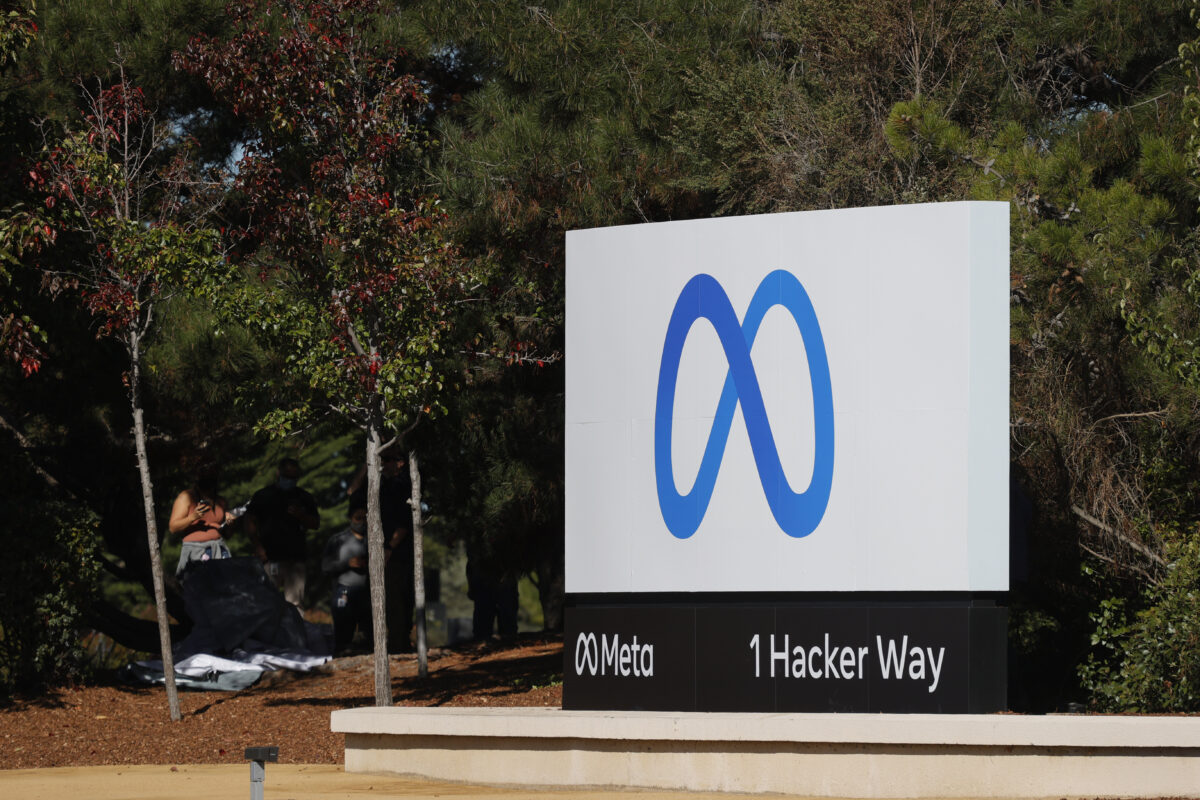
Photo by Justin Sullivan/Getty Images.
Meta Platforms, Inc. has threatened to pull two of their most popular platforms, Facebook and Instagram, out of Europe due to a recent European Union court ruling that restricted how the company uses European users’ data to target online advertisements.
The comment was included in Meta’s Form 10-K annual financial report for 2021, filed with the U.S. Security and Exchange Commission (SEC) on Feb. 2 by the company’s Chief Financial Officer David Wehner.
Facebook rebranded as Meta last October, in conjunction with CEO Mark Zuckerberg’s efforts to build a “metaverse” platform and to include the company’s broader swath of social media platforms, including Instagram, Facebook Messenger, and WhatsApp.
The reason for Meta’s threat to pull its platforms from Europe, as flagged by a report by ITWire’s David M. Williams, was the Schrems II decision by the EU’s Court of Justice back in July 2020.
The case originated in 2011 when an Austrian attorney named Maximillian Schrems analyzed 1,222 pages of information Facebook had collected about him, and “discovered details he believed he had deleted, and others he had not consented to be shared.”
In Europe, Facebook is under the jurisdiction of Ireland, which it chose for tax reasons, so Schrems filed a complaint there with the Irish data protection commissioner.
The court, wrote Williams, ruled that a U.S. law that authorized the collection of personal data from EU subjects did not provide “adequate safeguards” for individual’s privacy or “effective means to seek redress against the US Government” and was therefore noncompliant with the European General Data Protection Regulation (GDPR). Meta is continuing to challenge that ruling.
As part of their required disclosures, Meta’s Form 10-K (viewable here; relevant section begins on page 8) lists factors that could affect their business, and therefore their stock price.
Under a section titled “Government Regulation,” Meta’s 2021 report notes that the company is “subject to a variety of laws and regulations in the United States and abroad that involve matters central to our business, many of which are still evolving and being tested in courts, and could be interpreted in ways that harm our business,” and then lists various area of regulation including “privacy, data use, data protection and personal information, biometrics, encryption, rights of publicity,” and other privacy related issues.
The report continues, specifically citing how some of these laws and regulations include ones that “dictate whether, how, and under what circumstances we can transfer, process and/or receive certain data that is critical to our operations, including data shared between countries or regions in which we operate and data shared among our products and services.”
“If we are unable to transfer data between and among countries and regions in which we operate, or if we are restricted from sharing data among our products and services, it could affect our ability to provide our services, the manner in which we provide our services or our ability to target ads, which could adversely affect our financial results,” the report declares, before leading into several sentences discussing the Schrems II EU court decision, and specifically spelling out the threat to withdraw from Europe altogether:
If a new transatlantic data transfer framework is not adopted, and we are unable to continue to rely on SCCs or rely upon other alternative means of data transfers from Europe to the United States, we will likely be unable to offer a number of our most significant products and services, including Facebook and Instagram, in Europe, which would materially and adversely affect our business, financial condition, and results of operations.
The report also notes that new or proposed laws and regulations in the U.S. and around the world “could significantly affect our business,” by imposing compliance costs or causing them to decide to withdraw other products. For example, the report cites possible “[n]ew legislation or regulatory decisions that restrict our ability to collect and use information about minors” as potentially “result[ing] in limitations on our advertising services or our ability to offer products and services to minors in certain jurisdictions.”
UPDATE 2:35 pm ET Feb. 7, 2022: A Meta spokesperson sent the following comment to Mediaite:
We have absolutely no desire and no plans to withdraw from Europe, but the simple reality is that Meta, and many other businesses, organisations and services, rely on data transfers between the EU and the US in order to operate global services. Like other companies, we have followed European rules and rely on Standard Contractual Clauses, and appropriate data safeguards, to operate a global service. Fundamentally, businesses need clear, global rules to protect transatlantic data flows over the long term, and like more than 70 other companies across a wide range of industries, we are closely monitoring the potential impact on our European operations as these developments progress.
New: The Mediaite One-Sheet "Newsletter of Newsletters"
Your daily summary and analysis of what the many, many media newsletters are saying and reporting. Subscribe now!









Comments
↓ Scroll down for comments ↓