Former Trump Spox Says Best Way to Beat Trump is Attack His ‘Dumb Endorsements’

Eduardo Munoz Alvarez/Getty Images
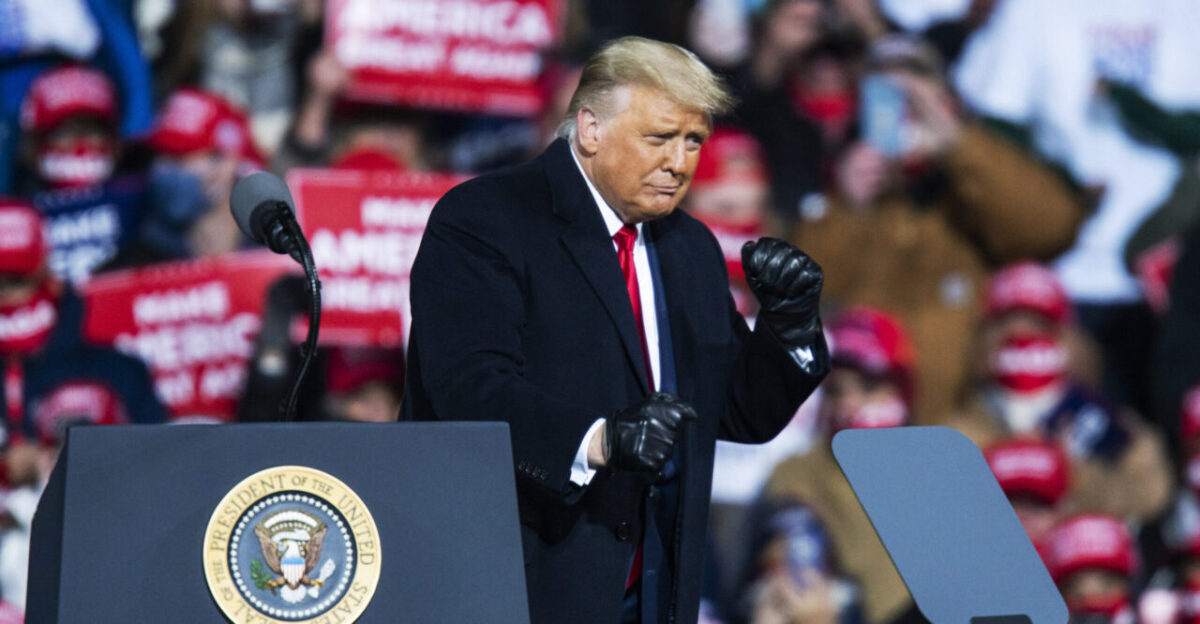
Former Trump White House spokesperson Alyssa Farah Griffin says the best way to beat former President Donald Trump is to focus on the “dumb endorsements” he has been making.
Trump has made hundreds of endorsements since leaving office, including recent boosts of controversial candidates like Dr. Oz and J.D. Vance. In endorsing Vance, Trump acknowledged ” J.D. Vance may have said some not so great things about me in the past, but he gets it now, and I have seen that in spades.”
A new report from The Washington Post‘s Josh Dawsey and Michael Scherer suggests that Trump’s riskier endorsements could become a deep liability to the former president’s political fortunes
Dawsey and Scherer interviewed many Republican and Trumpworld figures for the piece, including spox-turned-critic Griffin, who sees the erratic endorsement strategy as an Achilles heel for Trump:
“The biggest way to defeat him is to electorally chip away at the notion he is the most powerful endorsement in the country. He still is, but smart operatives need to play against him in races where he’s made dumb endorsements,” said Alyssa Farah Griffin, a former White House communications director under Trump, who has become a critic.
In at least one high-profile case, Trump has shown caution, dropping Alabama Senate candidate Mo Brooks as an endorsee when Brooks faded in the polls, after watching his first Pennsylvania endorsement, Sean Parnell, withdraw from the race.
But in other races, he continues to lean in. He is likely to endorse candidates in several more competitive primaries, even as some people around him say he is willing to take risks they would not. Advisers say he wants to hold rallies in almost every key state where he has made an endorsement.
That sentiment, that Trump’s endorsement strategy risks weakening his standing as a presidential candidate, was echoed throughout the piece.
Trump continues to dominate early Republican primary polls, more than doubling his closest competitor in many of them. But he also fails to garner more than 50 percent in most, showing a potential opening if non-Trump voters were to coalesce around one rival. As 2016 demonstrated, that’s a big “if.”
New: The Mediaite One-Sheet "Newsletter of Newsletters"
Your daily summary and analysis of what the many, many media newsletters are saying and reporting. Subscribe now!




Comments
↓ Scroll down for comments ↓