1. Mediaite
  2. Gossip Cop
  3. Geekosystem
  4. Styleite
  5. SportsGrid
  6. The Mary Sue
  7. The Jane Dough

An Open Letter to Wired Magazine

WIRED-227x300

When I noticed this month’s issue in my mailbox, I approached it with the same breathless anticipation that I do every month. I didn’t even mind the naked picture of Jennifer Aniston on the GQ subscription insert. I mean, it’s just advertising. You’ve got to make a living, right? Then, I turned you over to see what fascinating topics I would be delighted by this month. Boobs. Right there on the cover. A pair of breasts, no head, no rest of body… just boobs.

Men’s Health‘s Dave Zinczenko Passes Wired‘s Chris Anderson In Twitter Followers

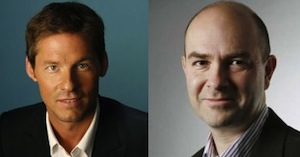
Zinczenko_Anderson

When does a new technological advancement officially break through? When the majority of the users are no longer the proudly nerdy “first adapters” but the regular mainstream folks. Case in point? Dave Zinczenko, the Editor in Chief of mainstream Men’s Health, overtook Chris Anderson, the Editor in Chief of the tech-savvy Wired, as the Magazine Editor with the most twitter followers.

Is Wired The Biggest Loser In The Apple Vs Adobe Battle?

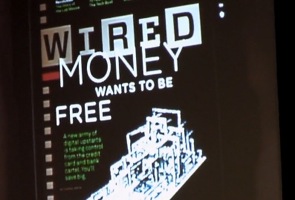
wired_iPad_demo video

Just a few months ago, the video demonstration of Wired magazine’s vision of a tablet-based iteration of their magazine made a lot of waves. In fact, one of the most talked about moments at SXSW last month was a presentation made by Wired‘s Scott Dadich and Adobe’s Jeremy Clark. But in light of the recent battles between Apple and Adobe over Flash and the iPad platform, did Wired make a strategic error in putting so much into their Adobe partnership? Yes, it appears so.

Wired‘s Chris Anderson: The iPad Will Solve All Magazine Publishers’ Woes

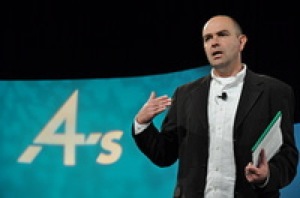
anderson

At the American Association of Advertising Agencies‘ Transformation Conference in San Francisco yesterday, Wired Editor-in-Chief Chris Anderson addressed the crowd and waxed lyrically about the possibilities for the currently troubled magazine industry via Apple’s iPad (and other tablet platforms.)

Revenge Of The Snarked-Upon: Wired‘s Chris Anderson Blasts Gawker

When Gawker reported that Wired boss Chris Anderson was too busy promoting his book to be present on layoff day, the tech editor took to his Twitter to defend himself. But Anderson angrily taking the bait of his ex-employee is exactly what Ryan Tate and Gawker want.

Publishers Weekly‘s Viral Issue: A Magazine Uses The Internet To Sell Books

The October issue of Publishers Weekly is quite forward-thinking for such an old world product. One glance at this edition’s cover — an artistic recreation of the magazine’s Twitter page — and it’s clear that this isn’t your great-great-grandfather’s Publishers Weekly. Actually, it’s the Viral Issue and it’s online and on newsstands now — what’s inside might surprise you.

Wired‘s Chris Anderson Doesn’t Use the Word “Journalism”

Wired EIC and dubious Free author Chris Anderson gave an interview to Der Spiegel in which he talked about the future of journalism. Or maybe not:

SPIEGEL: Mr. Anderson, let’s talk about the future of journalism.

Anderson: This is going to be a very annoying interview. I don’t use the word journalism.

Free Online Content? Steve Brill’s “Definition of Stupidity”

VIDEO

Stupid. The definition of stupidity. Idiotic. Beyond belief. A Disaster. That’s what Steve Brill thinks of media outlets who pass out their wares for free on the web. But lucky for them, all those stupidiotic giveaways will begin to give way to plausible subscription models once Journalism Online is up and running this fall. The engine will provide “one simple way to be a content consumer,” and help newspapers and magazines, you know, make money again.

Is the Print to Blame for Chris Anderson’s ‘Plagiarism’?

There’s been lot’s of nicely ironic, hullabaloo these last few days regarding Chris Anderson being cited for plagiarism in his new book Free: The Future of a Radical Price. The trickiness of using Wikipedia as a source was given as one of the reasons the attributions had been left out. Anderson said he publishers were “uncomfortable with the changing nature of Wikipedia,” and wanted him to note the date he had viewed the page, which Anderson felt was “clumsy and archaic.” In actuality this entire episode feels “clumsy and archaic”, much like the medium of the printed word!

© 2012 Mediaite, LLC | About Us | Advertise | Self-Serve Advertising | Newsletter | Jobs | Privacy | User Agreement | Disclaimer | Power Grid FAQ | Contact | Archives | RSS RSS
Dan Abrams, Founder | Power Grid by Sound Strategies | Hosting by Datagram