Senate Passes Resolution Banning Senators and Staff From Trading on Prediction Markets — Effective Immediately

AP Photo/J. Scott Applewhite
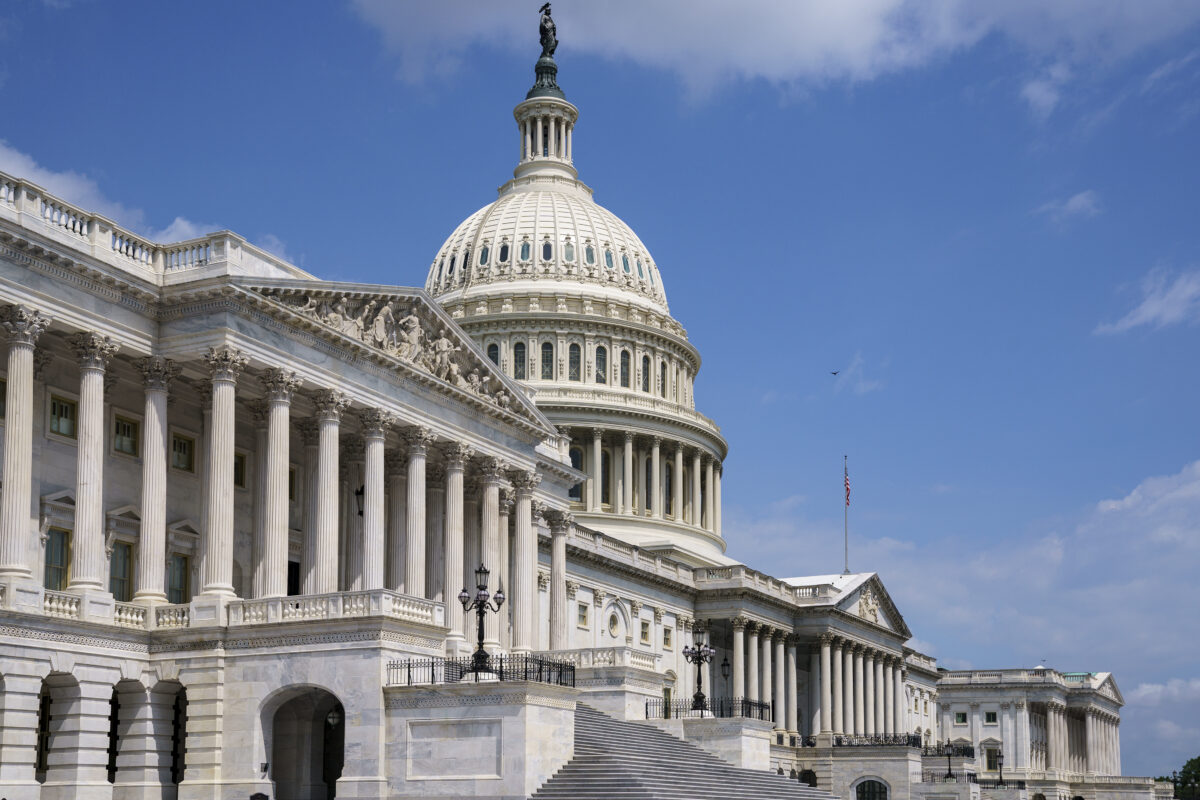
On Thursday, the Senate passed a new resolution banning Senators — and, a crucial inclusion, their staffers — from trading on prediction markets.
The online betting markets have massively expanded access to gambling in a wide variety of categories, including sports, entertainment, politics, and even the weather — and it’s all come with a massive dose of controversy as well, especially where the bettor appears to have access to insider information.
Earlier this month, the Department of Justice indicted a U.S. soldier involved in the raid that captured Venezuelan dictator Nicolás Maduro for betting on his ouster — having allegedly used his knowledge of the pending military operation to predict when he would be out of office.
Multiple media outlets have reported signs of millions of dollars‘ worth of insider trading occurring right before President Donald Trump makes certain announcements on his Truth Social account, including one Polymarket bettor who made about $500,000 in a bet on the initiation of the U.S. strikes in Iran. Another prediction market, Kalshi, announced it had caught three congressional candidates betting on their own campaigns.
Senate Resolution 708 was passed by unanimous consent on Thursday, after debate that expressed concerns that the original language would ban senators from purchasing insurance products; this was addressed by an amendment from Sen. Alex Padilla (D-CA).
The resolution is effective immediately and expressly states that “No Member, officer, or employee” may bet on prediction markets, meaning that it covers Senate staffers as well.
The text of the resolution further encourages the rest of the federal government to follow the Senate’s example and ban its elected officials, appointees, and staff from trading in prediction markets:
It is the sense of the Senate that the House of Representatives, executive branch, and judicial branch should establish restrictions similar to those under section 1 relating to participation in prediction markets.
–
New: The Mediaite One-Sheet "Newsletter of Newsletters"
Your daily summary and analysis of what the many, many media newsletters are saying and reporting. Subscribe now!







Comments
↓ Scroll down for comments ↓