
Trump’s Epstein Files Delay Isn’t a Legal Crisis. It’s a Political One

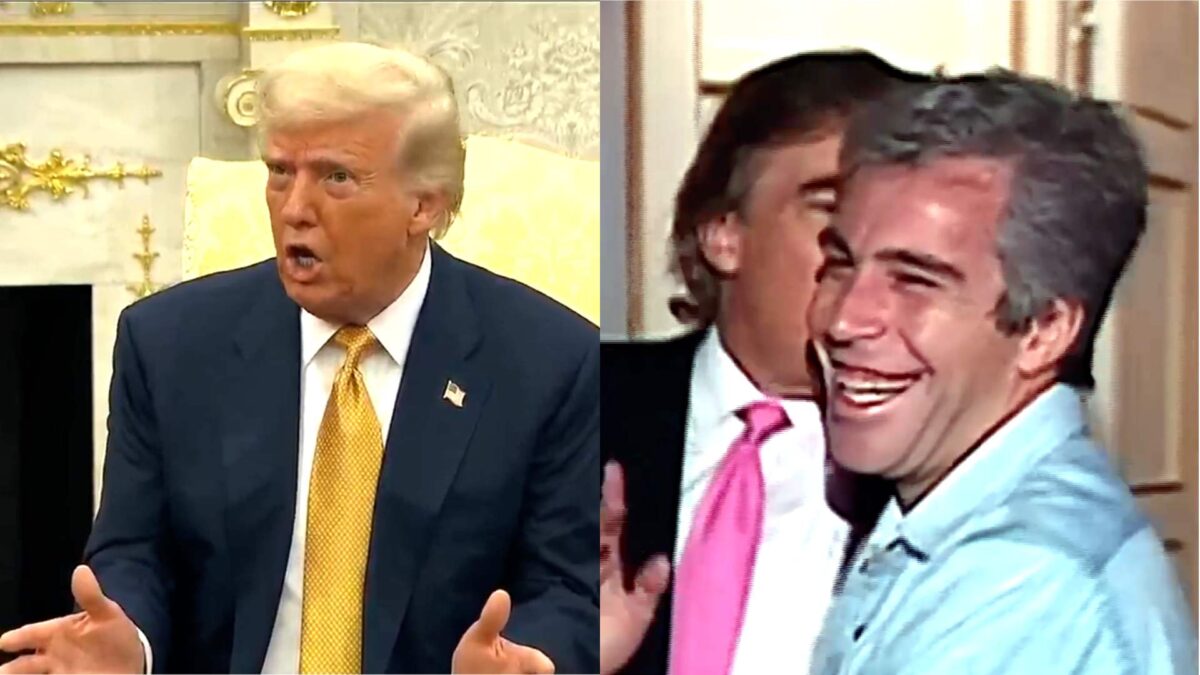
As the deadline for releasing the Epstein files has arrived, the Trump administration has effectively signaled what many observers already suspected: the records are not all coming out at once. Instead, officials say the documents will be released on a rolling basis over the coming weeks, even though a law signed by President Donald Trump called for their full release by a specific date.
Legally, that may not amount to much. The statute does not include a penalty for missing the deadline, and legal experts say the delay is unlikely to expose Trump or administration officials to criminal consequences. Politically, however, a slow rollout is shaping up to be a self-inflicted problem — because it frustrates nearly every audience that cared about the files in the first place.
The law was the result of months of pressure and a rare bipartisan push for transparency around Jeffrey Epstein and his ties to powerful figures. Trump initially dismissed renewed attention to the case as a Democratic hoax before reversing course and signing legislation that promised full disclosure. That move raised expectations not just that documents would be released, but that the government would finally answer unresolved questions about Epstein’s network and the institutional failures that allowed him to operate for years.
Instead, the administration is now redefining compliance in real time. Justice Department officials say a phased release is necessary to manage the volume of material and conduct appropriate reviews. Transparency advocates counter that releasing the files piecemeal after the deadline defeats the purpose of the law by giving the executive branch broad discretion over what comes out, and when.
Deputy Attorney General Todd Blanche, who previously served as Trump’s personal defense attorney, lowered expectations of a full release during an appearance on Fox & Friends Friday morning.
“Today is the 30 days. I expect we’re going to release several hundred thousand documents today, and those documents will come in all different forms—photographs,” Blanche said. He added that the administration’s review process is being driven by victim protections, saying, “Just so everybody appreciates—President Trump has said for years that he wants full transparency. Now, the most important thing that the AG has talked about, that Director Patel has talked about, is that we protect victims. We are looking at every single piece of paper that we are going to produce, making sure that every victim, their name, their identity, their story, to the extent it needs to be protected, is completely protected.”
There is little immediate legal fallout. Congress could respond with hearings or subpoenas, and courts could eventually be asked to intervene, but neither has moved yet.
Where the consequences are already taking shape is in the politics. For critics who pushed for the law, a drip-by-drip release feels like a broken promise. For skeptics already inclined to distrust federal institutions, the delays reinforce suspicions that the most sensitive or embarrassing material is being held back. And for those predisposed to see a cover-up, the rolling rollout is likely to be read as confirmation, regardless of what the documents ultimately show.
That is the bind the administration has created for itself. Missing the deadline may not trigger a legal reckoning, but it ensures that the Epstein files will never deliver the closure the law promised. Once disclosure becomes staggered, delayed, and filtered, each new release invites the same question: what’s still missing?
By stretching transparency over time, the administration isn’t simply buying itself breathing room — it is guaranteeing that no document drop will ever be widely accepted as complete. Even a full eventual release would arrive under a cloud of doubt created by the delay itself. In that sense, the greatest cost of slow-walking the Epstein files may not be political backlash or legal exposure, but the permanent erosion of credibility around the very idea that these records could ever settle the story.
This is an opinion piece. The views expressed in this article are those of just the author.
New: The Mediaite One-Sheet "Newsletter of Newsletters"
Your daily summary and analysis of what the many, many media newsletters are saying and reporting. Subscribe now!









Comments
↓ Scroll down for comments ↓