
Bari Weiss Just Gave Trump a Kill Switch Over 60 Minutes

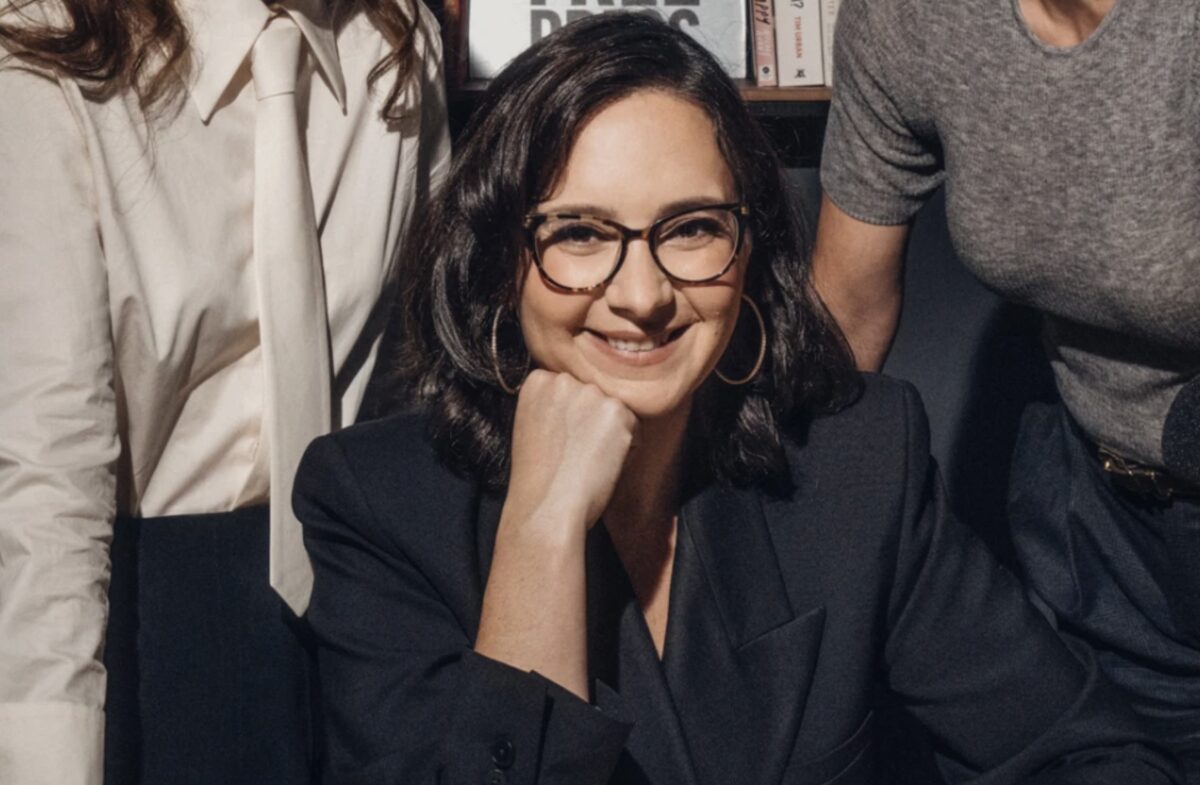
Daniel Paik via AP
The most dangerous part of Bari Weiss’s decision to pull a 60 Minutes segment last weekend isn’t that she exercised her authority. It’s the precedent she set that refusing to comment can function as a veto over investigative journalism.
That is the line journalists inside CBS are now staring at. Once it exists, there’s no unseeing it.
Over the weekend, Weiss shelved a report by correspondent Sharyn Alfonsi examining Venezuelan men deported by the Trump administration to CECOT, a notorious maximum-security prison in El Salvador. The segment had been weeks in the making.
According to multiple reports, it was screened five times, cleared by CBS lawyers and Standards and Practices, approved by the show’s executive producer, promoted by CBS News PR, and had Alfonsi’s on-air introduction taped. Then, after listings were sent out, Weiss intervened and stopped it from airing, arguing that the piece did not “advance the ball” and lacked on-camera participation from Trump administration officials.
The issue isn’t Weiss’s authority—it’s what exercising it this way does to the system.
At 60 Minutes, process is not window dressing. Five screenings and legal clearance are not provisional steps; they are the institutional signal that the organization has reached a decision and will stand behind it. By stepping in at the last possible moment, Weiss effectively told the newsroom that no amount of vetting, consensus, or institutional buy-in is final. That is how trust erodes.
Her defense—that stories are held every day in every newsroom—is technically true and practically beside the point. Stories are held before they are promoted, before intros are taped, before a broadcast publicly commits to airing them. Pulling a segment after all of that isn’t routine quality control. It’s an override.
And that override matters because of the standard Weiss articulated. Alfonsi’s team sought comment from the Trump administration. They were refused. Weiss has since made clear she believes 60 Minutes needs principals on the record and on camera. But once refusal becomes a valid reason to spike a fully reported, vetted story, journalists have effectively handed power back to the subjects of their investigations. Stonewalling becomes strategy. Silence becomes leverage.
That is the kill switch.
Weiss’s conservative bona fides are well known. So is Paramount’s regulatory exposure. So are President Donald Trump’s public attacks on CBS. None of that proves motive—but journalism doesn’t operate in a vacuum where perception is optional. When an accountability story involving Trump is pulled after his administration refuses to participate, viewers and staff alike are entitled to ask hard questions.
60 Minutes has endured for decades because reporters believed that once the work was done and the process exhausted, the institution would hold the line. The danger now isn’t that one segment was delayed. It’s that the next correspondent, midway through a Trump deportation investigation or a corporate malfeasance story, will remember this moment—and pitch something safer instead.
That’s how accountability journalism doesn’t end with a bang, but with a shrug.
This is an opinion piece. The views expressed in this article are those of just the author.
New: The Mediaite One-Sheet "Newsletter of Newsletters"
Your daily summary and analysis of what the many, many media newsletters are saying and reporting. Subscribe now!






Comments
↓ Scroll down for comments ↓